The technology to clone a voice actor's voice from a handful of recordings now exists and is widely available — which means the thing you sell for a living can be copied and reused without you ever stepping into a booth again. That's not a reason to panic, but it is a reason to get deliberate. The voice actors who protect themselves aren't the ones avoiding the issue; they're the ones who understand exactly where the risk lives and take specific steps to shut it down. Most of that protection happens on paper, before you ever record a word.
The short answer: Voice actors protect their voice mainly through their contracts — reading every deal for AI, synthetic, and voice-cloning language, and negotiating to limit or exclude it — backed by union protections and the law. SAG-AFTRA has built consent-and-compensation requirements around digital voice replicas, some states (like Tennessee) have passed laws against unauthorized voice cloning, and federal legislation is advancing. This isn't legal advice, and the law is changing fast, so pair these steps with a qualified entertainment attorney and confirm current law where you work.
Can AI really clone your voice?
Yes. Modern voice-cloning tools can build a synthetic model of a voice from recorded samples — and a working voice actor produces exactly that kind of sample every time they deliver a job. That's what makes the profession uniquely exposed: your product and the training data for a clone are the same thing. Once a usable model of your voice exists, it can generate new "performances" you never gave. Understanding that is the starting point for defending against it.
Where the risk actually comes from
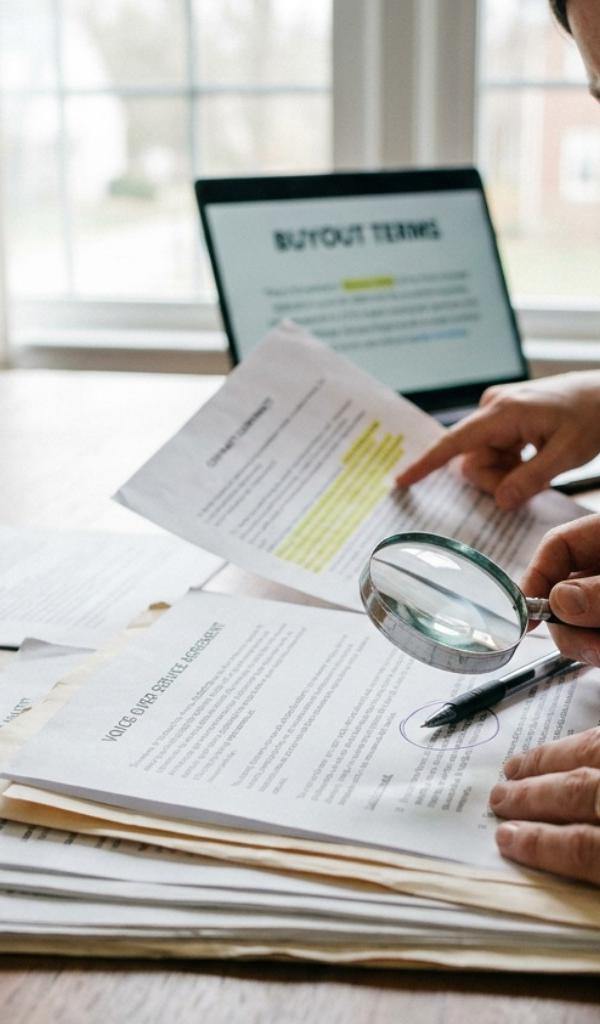
Here's the part that surprises people: the biggest threat usually isn't a shadowy stranger stealing your voice off the internet. It's the rights you sign away in ordinary contracts. Increasingly, agreements contain language that grants the client the right to create a synthetic or AI version of your voice, or to use your recordings to train a voice model — and if you sign it, the cloning is legal and you agreed to it. The single most important protective habit is reading every contract for this before you sign, because a signature is far harder to undo than a download.
The contract language to watch for
Learn to spot the clauses that put your voice at risk. Read carefully anytime you see terms like:
- "Synthetic," "AI," "digital replica," or "voice model" — language that directly authorizes creating an artificial version of your voice.
- "Simulate," "replicate," "clone," or "text-to-speech" uses of your performance.
- "Train," "training data," or "machine learning" applied to your recordings.
- "In perpetuity" and "all media now known or hereafter devised" — broad, forever grants that can sweep in future AI uses.
- Broad "any and all uses" language with no carve-out for synthetic recreation.
If you don't understand exactly what a clause permits, treat that as a stop sign, not a formality. Vague or sweeping usage language is where voices get signed away.
How to protect your voice in your contracts
Once you can spot the risk, you can negotiate it. Practical protections include excluding AI and voice-cloning rights entirely, or limiting them so that any synthetic use of your voice requires your separate, specific consent and separate compensation. You can narrow broad "in perpetuity" and "all media" grants to the actual project and its real uses, and add explicit language that your recordings may not be used to train a voice model. None of this is unreasonable to ask, and reputable clients will discuss it. Getting these terms in writing is the core of protecting your voice — the business side of voice acting is covered more in our Agents & Business section.
Union and legal protections
You're not defending your voice alone. SAG-AFTRA has negotiated protections around digital replicas of performers' voices built on requirements for consent and compensation, and has continued to strengthen them in recent agreements — so union work often comes with real guardrails against unauthorized synthetic use. On the legal side, this area is moving quickly. Tennessee's ELVIS Act, signed in 2024, was the first state law specifically protecting a person's voice against unauthorized AI cloning, and many states also protect your voice through right-of-publicity laws. At the federal level, the NO FAKES Act — proposed legislation that would create a right to control digital replicas of your voice and likeness — has advanced in Congress but, as of 2026, is not yet law. Because the rules keep changing, confirm the current protections that apply to you and your work.
Get an entertainment attorney
For anything unclear, high-value, or unusual, have an entertainment attorney review the contract before you sign. AI and voice-rights language is exactly where a lawyer earns their fee, because a single clause can have consequences that outlast your career. This article is general information, not legal advice, and no online explainer can substitute for a professional looking at your specific deal. Building a relationship with a lawyer who understands voice work is one of the smartest protective moves you can make.
Everyday habits that protect you
Beyond contracts, a few habits reduce your exposure. Be cautious about uploading your voice to platforms or "free" tools with vague terms of service, since you may be granting rights you didn't intend. Read the fine print on the sites and services you use, keep records of your contracts and what you've agreed to, and pay attention to how and where your voice is being used so you can act quickly if you ever find it cloned without permission. Awareness is a real defense — the sooner you notice misuse, the more options you have to address it.
Keep reading: How to Become a Voice Actor: The Real Working Guide, Voice-Over Rates: What Each Category Actually Pays, and Union vs Non-Union Voice Work: How to Decide.
Frequently Asked Questions
Can someone legally clone my voice with AI?
It depends largely on what you've agreed to. If a contract grants synthetic, AI, or voice-model rights to your recordings, cloning under that deal may be permitted because you consented. Unauthorized cloning can run into union protections and laws like right-of-publicity statutes and Tennessee's ELVIS Act, but this area is evolving, so confirm current law and read every contract before signing. This isn't legal advice.
What contract language should voice actors watch for?
Look for terms like "synthetic," "AI," "digital replica," "voice model," "clone," "simulate," "text-to-speech," and "training data," plus broad grants like "in perpetuity" and "all media now known or hereafter devised." These can authorize creating or reusing an artificial version of your voice. If a clause isn't crystal clear, don't sign until you understand exactly what it permits.
Does SAG-AFTRA protect against AI voice cloning?
SAG-AFTRA has negotiated protections around digital replicas of performers' voices, built on requirements for consent and compensation, and has strengthened them in recent agreements. Union work therefore often comes with real guardrails against unauthorized synthetic use. For the specifics of what applies to your work, check SAG-AFTRA's current AI provisions directly.
Is there a law against AI voice cloning?
Some protections exist and more are coming. Tennessee's ELVIS Act (2024) was the first state law specifically targeting unauthorized AI voice cloning, and many states protect your voice through right-of-publicity laws. The federal NO FAKES Act has advanced in Congress but, as of 2026, is not yet law. Because this is changing quickly, confirm the current law where you live and work.
How can I stop my voice from being used to train AI?
Start in your contracts: negotiate to exclude AI and voice-cloning rights, require separate consent and compensation for any synthetic use, and add explicit language barring use of your recordings to train a voice model. Be cautious with platforms that have vague terms, keep records of what you've agreed to, and have an attorney review anything unclear.
Protecting your voice starts with running your voice work like the professional business it is — clear contracts, good records, and control over where your recordings go, including the ones you make at home. HowToSelfTape (howtoselftape.com) is free to start for actors building their home setup.