Here's the number that stops most actors cold: the average voice actor records somewhere between 200 and 400 auditions before booking a national commercial. Not 20. Not 40. Two hundred. If you want to know how to become a voice actor, that number is actually good news — because most people quit at 30, which means the field opens up dramatically for anyone willing to stay in the game. The craft is learnable. The business is buildable. And unlike on-camera work, you don't need a pilot season or a casting director's blessing to start making money from it.
What Voice Acting Actually Is (and Why Most Actors Misunderstand It)
Voice acting is not reading words into a microphone. That's the myth that gets actors hurt — they walk into a booth thinking their stage training plus a decent speaking voice is enough, and they get humbled fast.
Real voice work is acting with your instrument stripped down to its most exposed element: your voice, in real time, with no face to hide behind. The adjustment you make for an on-camera close-up — the slight drop in energy, the pull inward — is the same adjustment voice acting demands. Microphones are close-up lenses for sound. They hear everything you're faking.
The genres are genuinely different from each other. Commercial work is warm, conversational, and fast. Animation is physical and heightened. Audiobooks require stamina and the ability to differentiate a dozen characters over twelve hours. Corporate narration rewards clarity and authority. Video games want extreme emotional range held under technical precision. You don't have to master all of them. You have to pick one door and walk through it.
How to Build the Actual Skills First
Before you spend a dollar on gear, spend time on your acting craft. Every working voice director will tell you the same thing: the actors who book are the ones who listen and adjust, not the ones who have the prettiest voices. If your scene work is honest and flexible, you're already ahead of 60 percent of the field.
From there, take classes specifically designed for the microphone. Look for coaches who have worked in commercial voice-over, animation, or audiobooks — not just coaches who are themselves actors who also do voice work. The two are different. A good voice-over class will teach you copy interpretation (how to find the emotional truth of a 30-second script), microphone technique, and how to take direction in real time without falling apart.
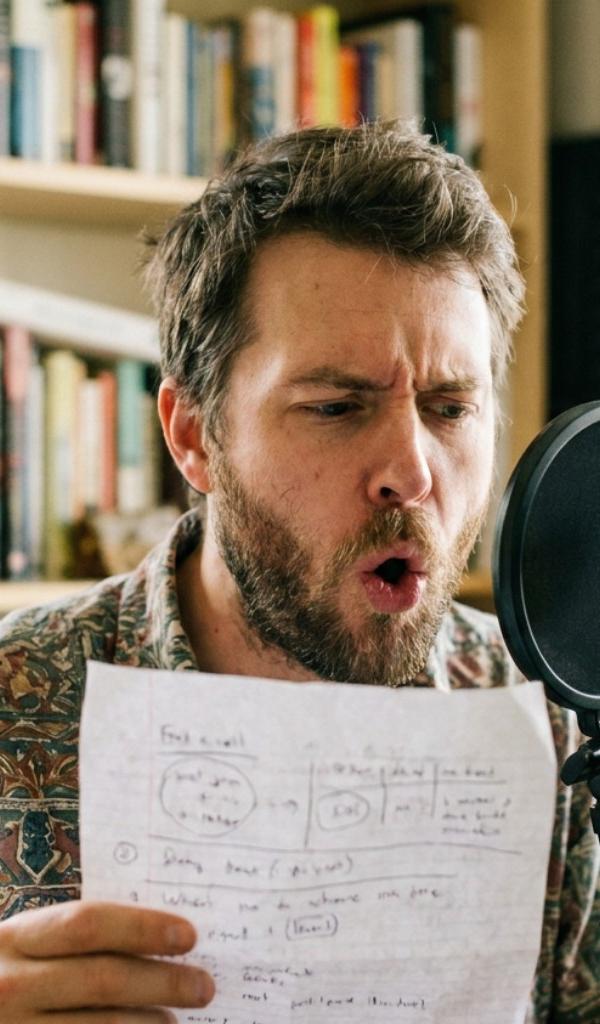
Practice on real copy. Pull actual commercials off YouTube. Print the scripts, time yourself, and record on your phone. You'll hear things in playback that you simply cannot feel in the moment — pacing issues, the dreaded "announcer voice," the swallowed ending line. That feedback loop is worth more than any single class.
Your on-camera acting craft work translates directly here. Trust it. Deepen it.
The mic doesn't care how long you've been acting. It only cares whether you're telling the truth right now.
How to Set Up a Home Studio Without Overspending
This is where actors either over-invest too soon or cheap out in the wrong places. Here's the real breakdown.
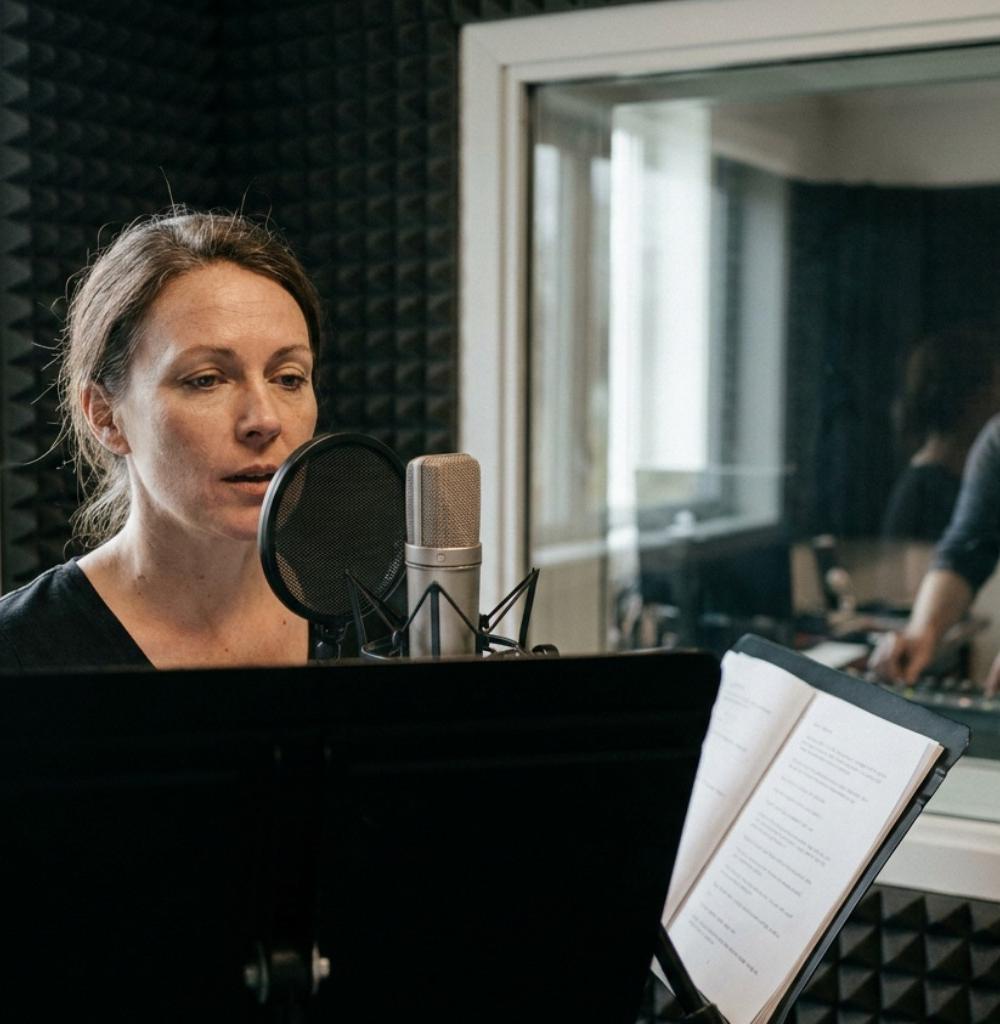
You do not need a professional recording studio to start. You need a quiet space, decent acoustic treatment, and one good microphone. A closet full of hanging clothes is genuinely one of the best recording environments in a home — the fabric kills reflections that make recordings sound hollow and amateurish. Many working voice actors have recorded paying gigs in exactly that setup.
For a starter microphone, something in the $100–$200 range from an established audio brand will serve you well. The Audio-Technica AT2020 and the Rode NT1-A are both mentioned constantly by working pros. You'll also need an audio interface — a small USB device that converts your mic's signal to digital — and free recording software like Audacity or GarageBand. Your total starting investment can be under $300 if you're thoughtful about it.
The common mistake: spending $800 on a microphone and putting it in a room with bare walls and hardwood floors. The room matters more than the mic. Spend money on acoustic foam panels (around $20–$40 for a starter pack) before you upgrade gear.
One thing that trips up actors used to self-taping at home: voice recording has zero tolerance for background noise. Air conditioning hum, refrigerator clicks, outside traffic — all of it reads on a professional recording. Learn your room's noise floor before you submit anything to a paying client.
Where to Find Voice Acting Work When You're Starting Out
The honest answer: the same place every other working actor finds early work — by building relationships, creating a reputation, and putting in reps where volume is available.
Online casting platforms (there are several large aggregators in the space) let you audition for jobs from your home studio. The rates on the lower tiers are modest, but the real value is repetition. You are training yourself to read cold copy, record quickly, and self-direct. That's a skill set with a dollar value, and you're building it on someone else's project requirements.
Reach out locally. Corporate clients — law firms, real estate companies, healthcare organizations — need narration for training videos, explainer content, and phone systems. These clients are everywhere, they rarely use agents, and they will work with someone who seems professional and delivers on time. One local corporate client who likes you can become a recurring relationship that pays quarterly.
Build a simple website. List your demo, your genres, and a contact form. This is not optional. A casting director or producer who finds you through a referral will immediately Google you. If nothing comes up, you lose the job before the conversation starts. This applies to your broader acting business presence too — you are always a small business, and your digital presence is your storefront.
Do You Need a Voice Acting Demo Reel — and When?
Yes. And not yet, if you're in your first six months.
A voice demo is not a recording of you at your best right now. It's a produced piece that represents the professional level you're prepared to deliver consistently. Sending a premature demo to an agent is worse than sending nothing — it tells them exactly where your ceiling is at this moment.
Wait until a coach or a working voice actor whose ear you trust says you're ready. A professionally produced commercial demo runs roughly $300–$600 from a reputable producer (verify current rates directly with producers). It should be 60–90 seconds, and every second should sound like a real spot, not a student exercise. Your reel strategy for on-camera work applies here: quality over length, always.
Common Mistakes That Keep Actors From Breaking Through
The announcer voice. You know the one — that slightly elevated, slightly fake "radio guy" tone that signals immediately that the person is performing rather than talking. It's the single most common note in every beginner voice session. The fix is to find someone specific in your imagination and talk directly to that one person. Not an audience. One person.
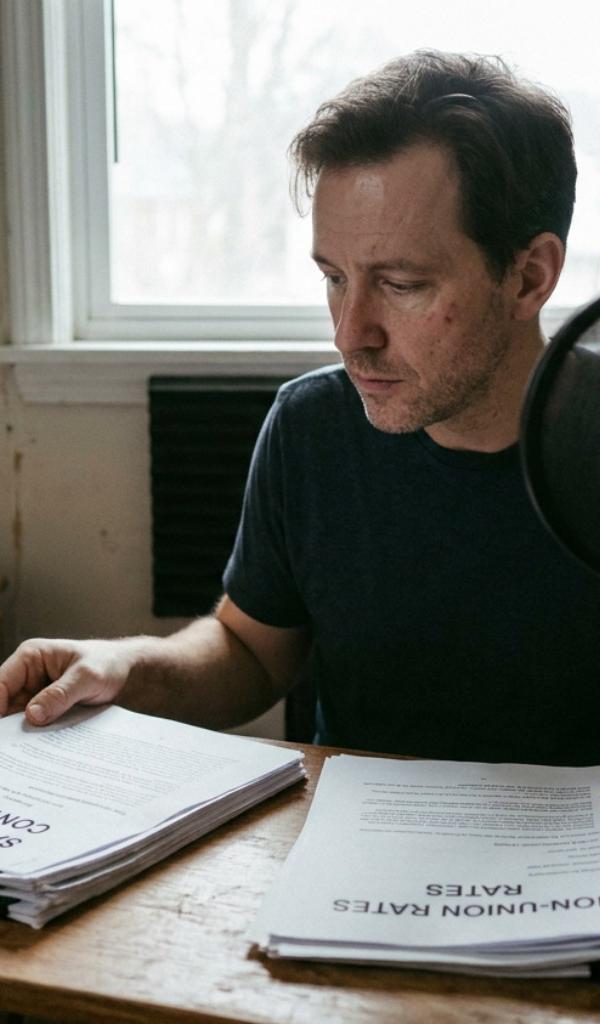
Skipping the business skills. Voice acting has a real business infrastructure: contracts, usage rights, session fees versus buyouts, union versus non-union work. Understand what you're signing before you sign it. Check the current SAG-AFTRA rates directly at sagaftra.org — they update with each contract cycle and vary significantly by project type and budget.
Treating every audition like a test. The working pros treat auditions as performances. You've already got the job in your imagination when you hit record. That mental shift changes everything you hear in playback.
Keep reading: Types of Voice Over: Which Genre Fits Your Voice, 30-Day Voice-Over Starter Plan: Break In Fast, and Where to Find Voice Over Work: Platforms & Clients.
Frequently Asked Questions About How to Become a Voice Actor
Do I need acting experience to become a voice actor?
Formal training helps enormously — not because it's required, but because it accelerates your ability to take direction, find truth in a line, and adjust quickly. Actors with strong scene-work foundations tend to outperform technically skilled readers who haven't studied the craft. You can learn voice acting without a theatre degree, but you cannot shortcut the emotional work.
How long does it take to book your first paid voice acting job?
Realistically, six to eighteen months if you're training consistently, building a home setup, and auditioning actively. Some people book sooner; many take longer. The variable is almost never talent — it's consistency and volume of auditions. Think of it like any performance skill: the people who book fastest are the ones who put in the most honest reps.
Should I join SAG-AFTRA to do voice acting?
Not immediately. Most beginners start non-union to build credits and cash flow. Once you've booked union work or a producer offers you a Taft-Hartley, you'll face the decision. Union membership opens doors to better-paying work with clearer protections, but it also restricts which non-union jobs you can accept. Check current eligibility rules and dues at sagaftra.org before making the call.
Can I do voice acting while pursuing on-camera acting?
Not only can you — many working actors do exactly that, and the two disciplines strengthen each other. Voice work keeps your instrument sharp, puts money in your account between on-camera jobs, and builds a professional reputation on a parallel track. Your audition skills for on-camera work translate directly into voice booth performance. The tools are different; the acting is the same.
Do I need an agent to get voice acting work?
Not to start. Many working voice actors build a strong direct-client business before ever approaching an agent. An agent becomes valuable when you're ready for the larger commercial and animation markets where relationships and insider access matter. Get your demo, build your credits, and approach agents with evidence — not ambition alone.
Voice acting rewards the same thing every part of this industry rewards: specific, honest, disciplined work done consistently over time. The actors who build real voice careers don't have better voices than the people who quit. They have better habits, clearer self-direction, and enough humility to keep learning even after they start booking. That's the whole secret.
If you're building your home recording setup in parallel with your on-camera self-tape work, the overlap in gear, technique, and discipline is real. Start with your self-tape fundamentals — HowToSelfTape.com is free to start and covers the technical and performance side of home recording for actors in a way that maps directly onto voice work too.