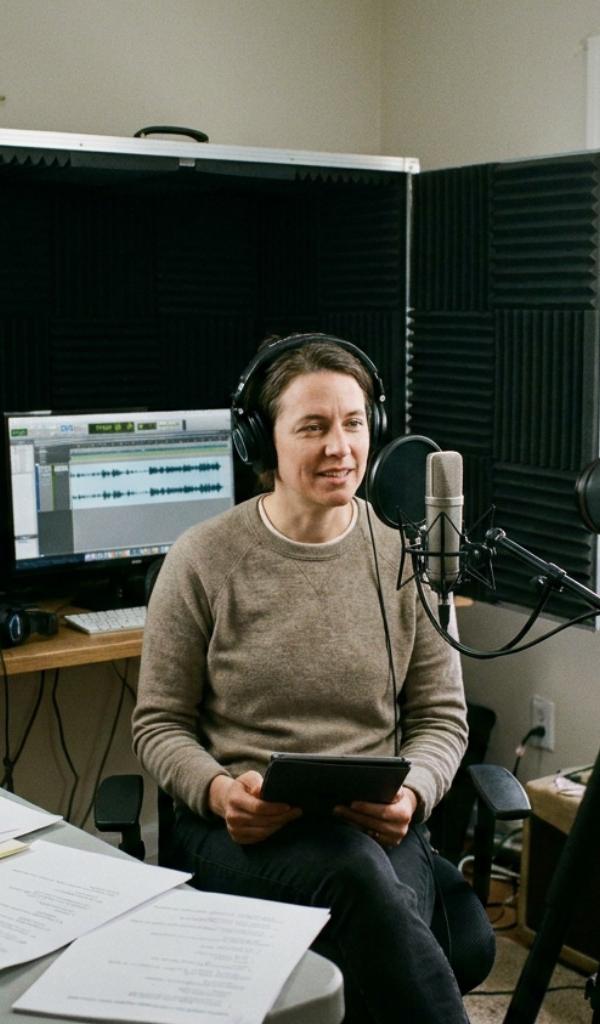
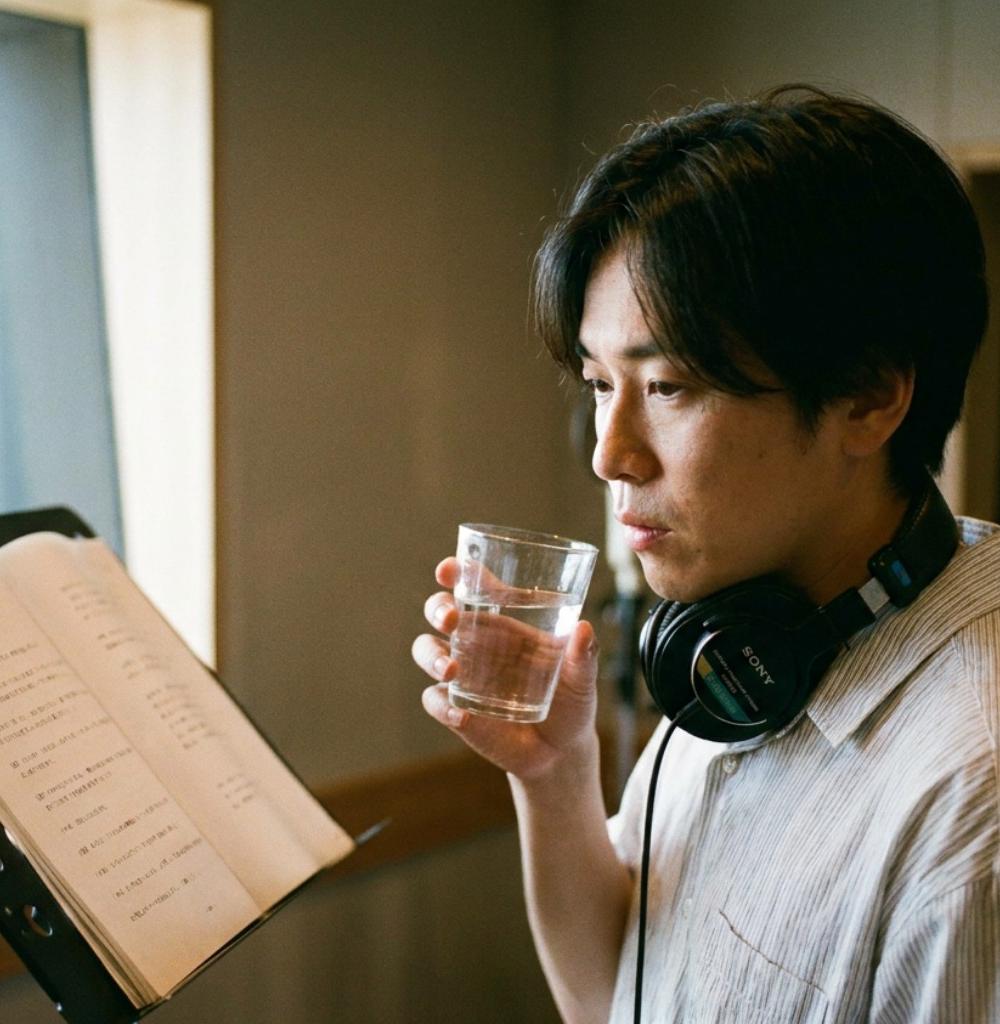
Here's a truth that should change how you treat every session: your voice is both your instrument and your income, and unlike every other tool in this business, you cannot replace it. If your microphone dies, you buy another one for a hundred bucks. If your laptop fries, you get a new laptop. If you blow out your voice, there is no store, no upgrade, no next-day shipping — there's only rest, recovery, and sometimes a doctor. That single fact is why the voice actors who last — the ones still working steadily decades in — treat vocal health with exactly the seriousness a professional athlete brings to their body. Not as a nice-to-have. As the foundation the entire career sits on. The long sessions this work demands — a marathon audiobook, a full day of game efforts, a big narration project — will find every bad habit you have, and either you've built the durability to meet them or you haven't.
It Starts With Breath and Support
It starts, like everything with the voice, with breath and support. The single most important technical distinction in vocal health is where the power comes from. An untrained voice squeezes and pushes from the throat, tightening the very muscles it's straining — which works for about twenty minutes and then falls apart, hoarse and thin. A trained voice powers from the diaphragm and the breath, letting the air do the work while the throat stays relatively open and relaxed. That's the difference between sustaining energy across hours without damage and wrecking yourself before lunch. It's the same support a good singer uses, the same breath control that underpins any real acting craft, and it's learnable. Beyond that, learn to place your breaths intentionally — either working them into the read as part of the performance (a real person breathes) or taking them where you can cleanly edit them out — rather than gasping desperately between lines because you ran out of air. Controlled breath isn't just healthier; it sounds more professional.
The Danger Zone: Efforts
Then there's the genuine danger zone: efforts. In game work especially, the screams, grunts, death cries, impacts, and exertions are where untrained voices get destroyed — not over months, but in minutes. A day of unsupported screaming can leave you hoarse for a week or, done badly enough and often enough, cause real injury. So efforts must be produced from the body — supported by breath and core, the way you'd brace to lift something heavy — and never forced from a tight, closed throat. And the mark of a truly smart performer isn't how hard they can scream; it's knowing when to stop. Recognizing the moment when your voice is at its edge and calling it — asking for a break, flagging it to the director, protecting the instrument — is professionalism, not weakness. Repeat this to yourself before every big session: no single session is worth losing my voice for a week. The gig that costs you the next five gigs was never a good deal.
The Daily Fundamentals
The daily fundamentals are unglamorous, and they're non-negotiable. Hydration first, and here's the part people get wrong: the voice needs water hours before you record, not just sips during — vocal folds hydrate systemically, over time, so you drink consistently all day and every day, not in a panic ten minutes before a session. Warm up before you record — gentle humming, lip trills, sirens, easing the voice into range the way you'd never sprint cold — and consider a light cool-down after a heavy session. Be aware of irritants: excessive caffeine and alcohol dry you out, dairy can thicken mucus for some people right before a read, and — this one's important — chronic throat-clearing is genuinely harmful, slamming the vocal folds together; sip water or swallow instead. And the hardest rule for ambitious people: never push through pain or hoarseness. That sensation is not something to power through like a tough workout — it's your body's alarm telling you damage is happening right now. Stop. If hoarseness or pain persists beyond a few days of rest, see an ENT or a laryngologist — a professional, not a forum. Your instrument is worth a doctor.
Rest Is Part of the Craft
Understand, too, that rest is part of the craft, not a break from it. A tired voice records worse — thinner, less flexible, less able to take direction — and it recovers slower, so pushing a fatigued voice is a double loss. Sleep, vocal rest between heavy days, and simply not talking for a while after a marathon session aren't indulgences; they're maintenance on your most valuable asset. The pros schedule recovery. The amateurs run themselves ragged and wonder why their booking rate drops.
Stamina Is Trainable
The good news underneath all the caution: stamina is trainable. Vocal endurance works exactly like running — you don't go from the couch to a marathon, and you don't go from casual reads to a twenty-hour audiobook in a weekend without paying for it. You build it gradually, extending your session lengths over time, letting the supporting muscles and the breath control strengthen with reps. Pay attention to where fatigue creeps in — which hour, which kind of material, which vocal register — so you can learn to support through it or pace around it. Every long session, done with good technique, makes the next one easier. Every long session, done with bad technique, makes the next one a risk.
Protect the Instrument First
So treat your voice like the professional asset it actually is — breath and support, consistent hydration, real warm-ups, safely produced efforts, and the discipline to rest and to stop before you're hurt — and it will pay you, reliably, for decades. It's the rare career asset that appreciates with careful use. But abuse it chasing one impressive session, scream unsupported to impress a director, push through the hoarseness because you don't want to seem weak — and you can lose the whole thing overnight. Protect the instrument first. Everything else in this career — every self-tape, every session, every booking — depends on it still working tomorrow.
Your voice carries your on-camera and your voice work both, so build the habits that keep it healthy. HowToSelfTape is free to start and helps you set up a sustainable practice — warm-ups, support, and technique — around the instrument your whole career runs on.