Somebody told you Tangerine was shot on an iPhone for almost nothing, and now you're doing math on a napkin. That story is both true and a trap. Sean Baker spent around $100,000 on Tangerine when you count post-production, sound mix, and festival delivery. The camera was cheap. Everything else was not. What indie films actually cost to make is one of the most misquoted numbers in filmmaking — and getting it wrong before you shoot is how projects die in post.
Here is the honest answer before we go deeper: most genuine feature-length indie films cost between $50,000 and $500,000 to produce from script to a deliverable master. Micro-budget shorts and features can land under $10,000 if the crew defers everything. "Mid-range" festival-targeted films typically run $150,000–$750,000. The price of a professional result keeps climbing because the audience's expectations do not go down.
Why the Famous "Made for Nothing" Stories Are Half True
Every film school generation gets one legend. El Mariachi for $7,000. Clerks on credit cards. Paranormal Activity for $15,000. What those stories never mention is the reshoot money, the sales agent's delivery requirements, the E&O insurance the distributor demanded, or the $200,000 P&A spend someone else put in. The production budget is one chapter in a much longer book.
The real cost of an indie film has four phases, and most first-timers only plan for one of them: pre-production, production, post-production, and delivery. Skip budgeting for any phase and you will hit a wall mid-project with no runway left. That wall has ended more promising films than a bad script ever has.
What Indie Films Actually Cost to Make at Each Budget Level
Think of indie budgets as four distinct planets, each with its own gravity and rules.
Micro-budget: under $25,000. This is a skeleton crew, deferred pay, borrowed locations, and a director who is also the producer, grip, and caterer. A $10,000 feature is possible — people do it — but the hidden costs are brutal. A single SAG-AFTRA Ultra Low Budget Agreement production (verify the current tier and minimum rates at sagaftra.org, because they update) still requires residuals, health and pension contributions, and paperwork. Factor in $2,000–$4,000 for a basic sound package rental, $1,500 for a used or rented cinema camera package, and $3,000–$5,000 for a bare-bones color grade and mix. You are at $15,000 before you feed anyone.
Low budget: $25,000–$150,000. Now you can pay your crew something real. Day rates, even modest ones, change who shows up and how they work. At this level you can afford a dedicated sound mixer, a gaffer who owns their kit, and a colorist who has actually graded a feature before. This is the most common bracket for first-time feature directors who have spent two years saving or crowdfunding.
Mid-range: $150,000–$750,000. This is the festival-circuit sweet spot. You can attach a recognizable name — not a movie star, but a working actor with credits — which helps with sales. You have enough to rent real locations instead of begging, pay for proper insurance, and hire a post-production supervisor who keeps the chaos organized. Most films that screen at Tribeca, SXSW, or Sundance's lower tiers live here.
Upper indie: $750,000–$2,000,000. At this level you are in SAG-AFTRA's Low Budget Agreement territory (again, verify current thresholds at sagaftra.org). You can offer real pay, real trailers, real catering. You will also spend real money on completion bonds, line producers who cost $1,500–$2,500 a week, and deliverables packages that can run $15,000–$30,000 on their own. The production looks professional because it is.
The Line Items That Always Surprise First-Time Directors
Nobody warns you about these until you are already in trouble.
- E&O Insurance: Errors and Omissions coverage is not optional if you want a distributor. Budget $2,500–$5,000 for a policy. Some distributors require specific coverage limits. Get this quote early.
- Music licensing: That song you love will cost more than your camera rental. Even indie artists on Bandcamp can charge $500–$2,500 for a single sync license. A recognizable track from a major label? Plan for five figures or cut the scene.
- Deliverables: A streaming platform's technical delivery specification can include a 4K HDR master, a ProRes proxy, closed caption files, M&E tracks, metadata packages, and a textless version. Getting all of that out of post can cost $10,000–$25,000 you did not plan for.
- Festival fees: Submitting to 30 festivals at an average of $50–$85 per submission adds up to $1,500–$2,500 before you buy a single plane ticket to attend.
- Contingency: Every professional budget includes 10% contingency on top of everything else. This is not pessimism. This is physics.
The budget you write before production is a wish list. The budget you track during production is the truth. The gap between them is what separates finished films from hard drives full of footage.
Where Filmmakers Actually Find the Money
The budget question and the funding question live in the same room. Knowing what your film costs only helps you if you know where to find that number. The most common paths for indie filmmakers right now: personal savings and credit (risky, common), friends-and-family rounds (works under $50K, gets complicated above it), crowdfunding platforms (realistic ceiling for most projects is $30,000–$80,000 without a pre-existing audience), fiscal sponsorship through a nonprofit arts organization (opens you up to grant applications), and private equity from individual investors (requires a proper PPM, meaning legal fees of $3,000–$8,000 before you spend a dollar on production).
Grant funding is slower than you think and more competitive than the application portal makes it look. Plan 6–12 months for a decision. Don't build a shooting schedule around a grant you haven't won yet. Learn more about finding and applying for money through our funding and grants coverage, and get your paperwork right during pre-production before the pressure is on.
Common Budget Mistakes That Kill Projects
The single most expensive mistake is treating your shoot days as the only cost. Production — the actual days on set — typically represents 40–50% of total budget on a well-planned indie. Post-production is usually 25–35%. Delivery and marketing are 15–20%. If your entire budget only covers shoot days, you are building half a film.
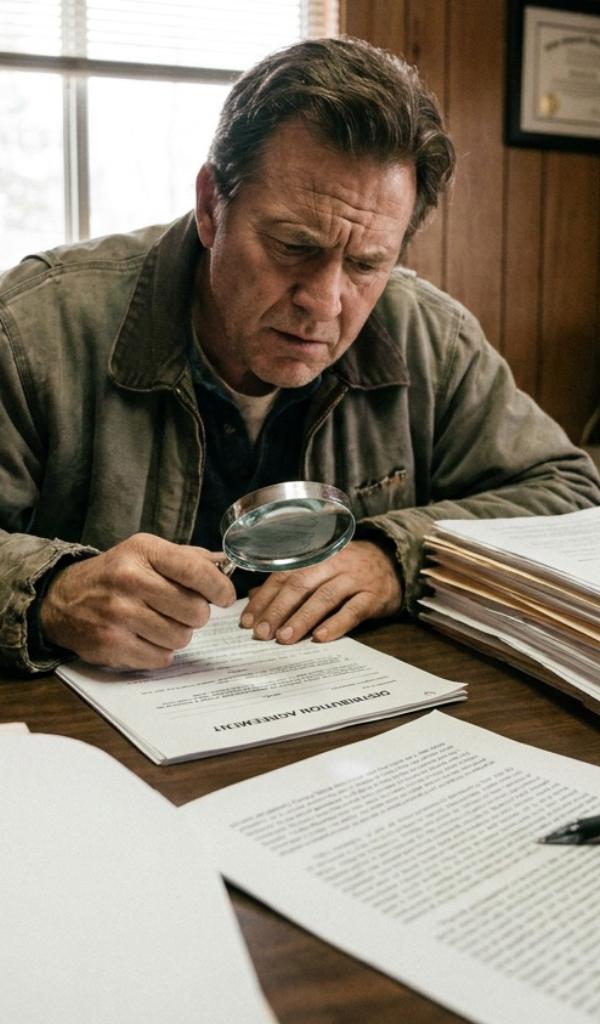
The second killer: not locking a line producer or production manager early. These are the people who read your budget and tell you it is wrong before you discover it on day three of a 12-day shoot. A good line producer costs money up front and saves you twice that amount by week two. Find one through your regional film commission or through the directing and on-set resources that list crew networks by market.
Third: underbudgeting locations. "We can shoot there for free" is the most expensive sentence in indie filmmaking. Free locations come with scheduling chaos, no noise control, and zero recourse when the owner changes their mind at 6 AM on shoot day. Even a modest location fee — $200–$500 a day — buys you a contract and some leverage.
How to Build a Budget That Actually Works
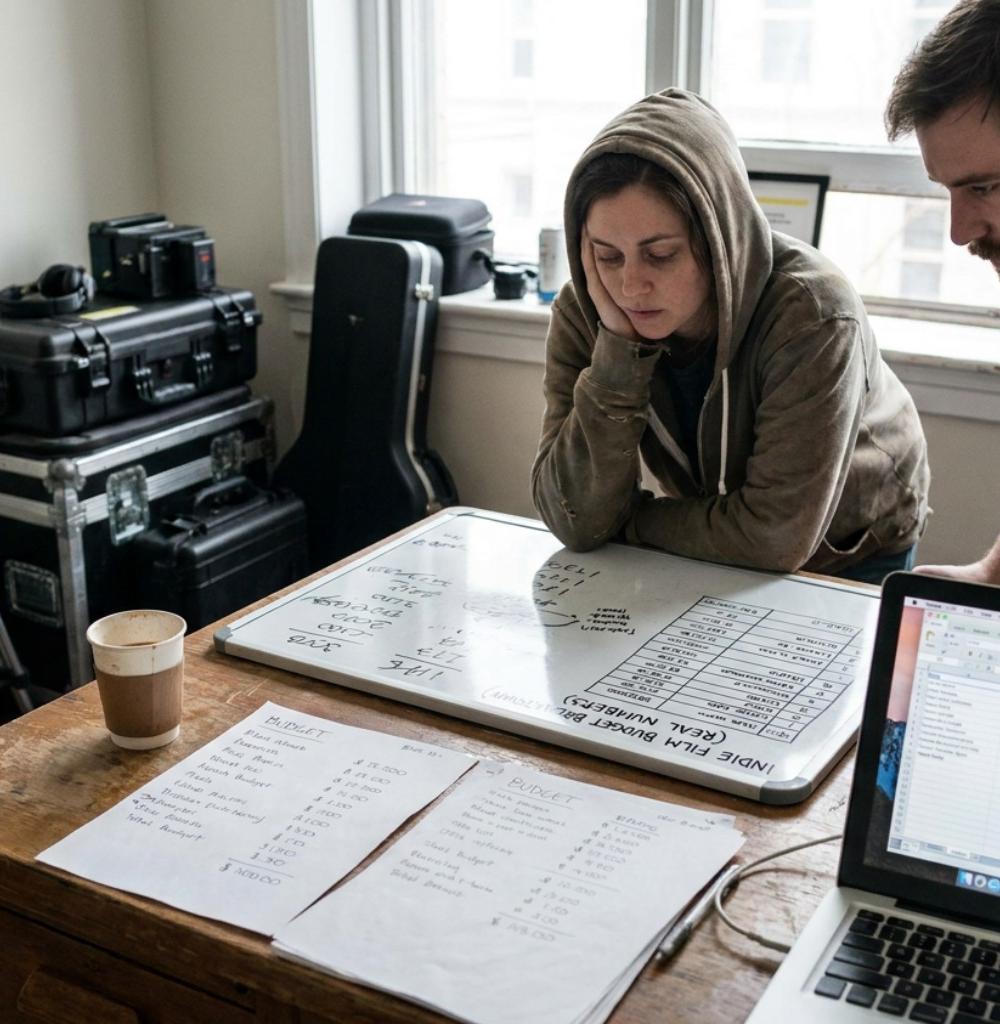
Start with your script and break it down scene by scene before you touch a spreadsheet. Count your shoot days honestly — most first-timers undercount by 20–30%. Then build your budget top-down from total available funds and bottom-up from actual line items, and see where they meet. The gap between those two numbers is your problem to solve, either by raising more money or by rewriting scenes that are too expensive.
Use industry-standard budgeting software — Movie Magic Budgeting is the professional standard, though it is subscription-based and costs real money; there are lower-cost alternatives like Yamdu or even a well-structured spreadsheet for micro-budget work. What matters is that every dollar has a line. Vague budget categories are where projects quietly hemorrhage cash.
Talk to your cinematographer and production designer before you lock numbers. These two departments will either validate your budget or blow it up, and you want that conversation before you've made promises to investors. Dig deeper into your visual prep through our cinematography planning guides.
FAQ
Can I make a feature film for under $10,000?
Technically yes — people have done it. Realistically, under $10,000 means deferred everything, borrowed equipment, volunteer crew, and a post-production plan that relies heavily on favors. The result can be good, but delivery to a distributor or streamer will likely require additional funds you haven't budgeted. Go in with clear eyes.
What does a SAG-AFTRA ultra low budget film actually cost?
SAG-AFTRA has multiple tiered agreements with different day-rate minimums and budget ceilings. These numbers update periodically. Always check sagaftra.org directly for current rates before building your budget around them. Guessing the minimums is a common and costly mistake when it comes time to pay residuals.
How much of my budget should go to post-production?
Plan for at least 25–35% of your total budget to cover editing, color grade, sound design, mix, music, VFX, and deliverables. Many first-time filmmakers spend this on production and then scramble to finish the film. A rough cut sitting on a hard drive is not a movie anyone can watch.
Do I need a completion bond for an indie film?
Not always — completion bonds are typically required when outside investors or broadcasters are involved and want to protect their money. For self-financed or friends-and-family projects, they are optional. But the exercise of getting a bond quote is genuinely useful: the bonding company will review your budget and flag exactly where it is too thin.
What's the difference between a production budget and a total cost of the film?
The production budget covers pre-production through picture lock. The total cost of the film adds deliverables, E&O insurance, festival submissions, sales agent fees, and marketing. On a $200,000 production budget, your true all-in number could land at $230,000–$260,000 before a single person has watched it.
Your Film Has a Cost. Know It Before You Start.
The filmmakers who finish their movies — and finish them well — are not the ones with the most money. They are the ones who knew exactly what their film cost, planned for the phases most people forget, and built a budget that told the truth. That discipline starts before you hire a single person or book a single location.
If you want a smarter system for planning your production budget, breaking down your script, and mapping the financial road from page to screen, FilmmakerGenius is free to start and built specifically for independent filmmakers who are serious about getting their films made and seen.
You have the story. Now build the machine that lets you tell it.