
Most films don't fail in the editing room. They fail in a spreadsheet nobody looked at honestly before day one of principal photography. The economics no one tells filmmakers isn't some secret handshake between studio executives — it's a set of basic, brutal truths about where money goes, where it comes from, and why the math almost never works out the way the enthusiasm did at the table read. If you're about to make an independent film, or you're mid-production and something feels off, this is the piece you needed six months ago.
The film that gets finished is always the film that understood its own economics first.
Here's the direct answer before we go deep: independent filmmaking operates on razor-thin margins where a single budget miscalculation — a location that falls through, a shoot day that runs long, a permit that doubles in price — can collapse the entire project. Understanding production costs, distribution realities, and recoupment order before you greenlight yourself is the single most important financial act you will ever take as a filmmaker.
Why Your Budget Number Is Almost Always Wrong
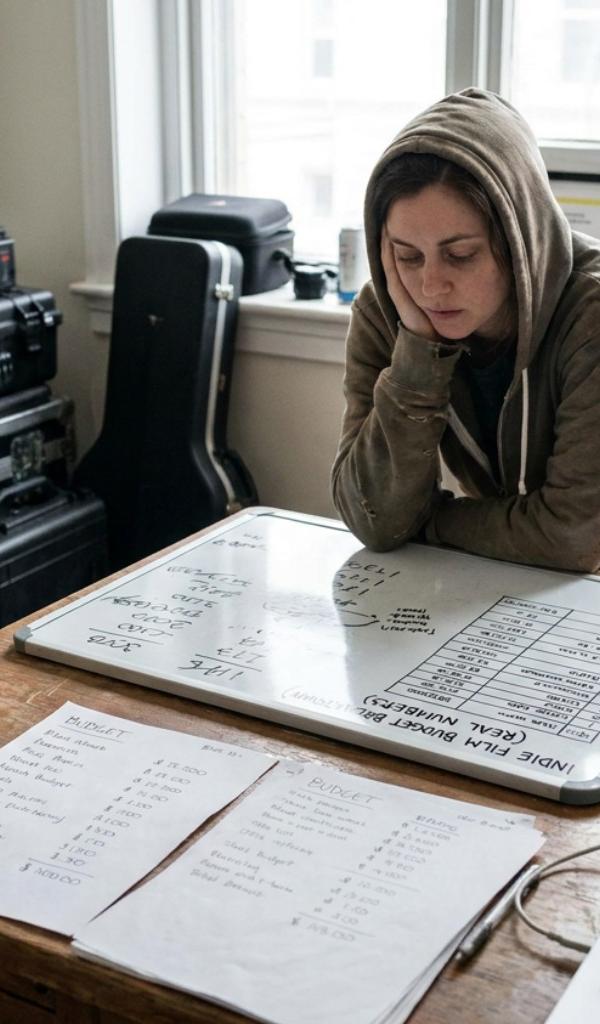
Picture a first-time director who budgets their feature at $80,000. They've been meticulous. Location fees, camera rental, cast, catering — all itemized. Then reality arrives: the location falls through on week two, a replacement costs $1,200 a day instead of $400, and suddenly four shoot days have burned an extra $3,200 before lunch. That's not a horror story. That's a Tuesday on an indie set.
The mistake isn't bad math. It's optimistic math. First-time filmmakers budget for the shoot they want, not the shoot that will actually happen. Industry veterans build a contingency of 10 to 15 percent into every budget — not as a safety net but as an operating assumption. Something will go wrong. The contingency is simply the line item that tells the truth about that.
Below-the-line costs (crew, equipment, locations, catering) are usually estimated reasonably. Above-the-line costs — the "creative" costs like script rights, producer fees, director deferrals — are where budgets get quietly inflated or quietly ignored, depending on who's trying to impress whom. Know the difference between what's being paid now and what's being deferred, and get every deferral in writing before cameras roll.
The Recoupment Order Nobody Explains at Film School
Say your film sells. Congratulations. Now the question is: who gets paid first? The answer is recoupment order, and it's the financial architecture that determines whether you — the filmmaker — ever see a dollar from your own work.
In most independent film financing structures, investors recoup their investment first, often at a premium (a 110 or 120 percent return before any profit is split). Then sales agent fees come out — typically 15 to 25 percent of gross revenues. Then delivery costs, marketing costs, and distribution expenses. By the time profit participants (which often includes you) reach the waterfall, it can look like a dry riverbed.
This isn't a conspiracy. It's contract law, and it's entirely negotiable if you negotiate before you sign. The filmmaker who reads their investor agreement with a lawyer and pushes back on recoupment terms is the filmmaker who might actually get paid. The one who signs in a hurry because someone finally said yes is the one who'll be confused and bitter two years later when a distributor reports "no profits" on a film that sold internationally.
Understanding how film funding and distribution agreements actually work is the unsexy homework that separates a career filmmaker from a one-film cautionary tale.
Distribution Doesn't Mean Revenue — Not Automatically
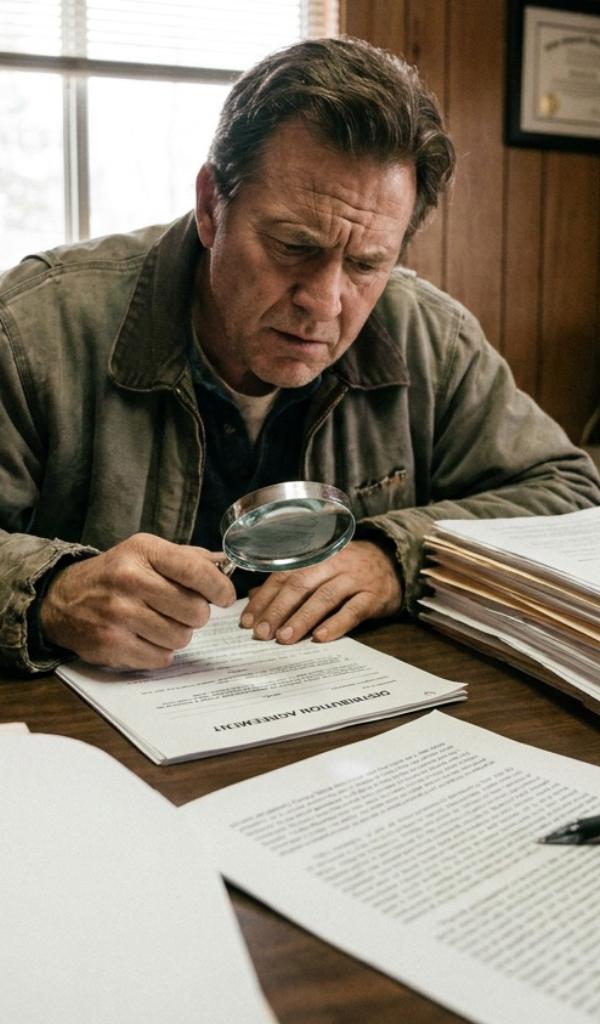
Here's the line people repeat at festivals: "We got distribution." Here's what that sometimes actually means: a distributor took your film for a term of seven to fifteen years, paid no minimum guarantee, will recoup their expenses first, and will send you a quarterly statement you'll need an accountant to decode.
Not all distribution deals are bad. But the word "distribution" has been stretched to cover arrangements that range from a genuine theatrical and streaming release to someone uploading your film to a third-tier platform and calling it a day. You need to ask specific questions: Is there a minimum guarantee (MG)? What platforms are targeted? What is the marketing commitment in writing? What are the reversion rights if performance benchmarks aren't met?
Streaming licensing fees for independent films vary wildly — from a few hundred dollars for a short film on a niche platform to six-figure deals for festival darlings acquired by major streamers. The median is much closer to the low end than filmmakers expect. Build your financial model around conservative projections, not the deal you read about in a trade headline.
Check out our deeper look at navigating film festivals strategically — because festival positioning is now inseparable from distribution leverage.
The Hidden Costs That Eat Indie Budgets Alive
Nobody puts these on their first budget. Everybody wishes they had.
- E&O Insurance (Errors and Omissions): Required by almost every legitimate distributor before they'll deliver your film to a platform. Expect roughly $1,500 to $3,500 for a standard policy. Budget for it from day one.
- Music licensing: That song you fell in love with on set? If it's a known recording, you're clearing a sync license and a master license — two separate fees from two separate rights holders. A single track from a mid-level artist can cost more than your entire camera package. Use a music supervisor or license music built for film from the start.
- Deliverables: A distributor's delivery requirements — closed captions, M&E tracks, specific codec specs, localization materials — can cost $3,000 to $10,000 or more in post. This is real money that surprises people who thought they were done spending.
- Festival fees: Submitting to 40 festivals at an average of $50 per submission is $2,000 gone before a single screening. Submit strategically, not indiscriminately.
- Legal fees: Chain-of-title documentation, clearances, contracts — a good entertainment attorney is not optional. Budget $2,000 to $5,000 minimum for legal on a feature. It's cheaper than a lawsuit or a deal falling apart at the finish line.
The Four-Wall vs. Service Deal vs. Self-Distribution Trap
When distribution doesn't come calling, filmmakers face a fork in the road and often choose based on emotion rather than economics. Four-walling a theatrical run (renting a theater yourself, keeping ticket revenue) sounds empowering. And it can be — if you have a genuine audience and a real marketing plan. Without those two things, you will spend $5,000 to $15,000 on a week of screenings and sell 60 tickets to your friends and family.
Service deals — where an aggregator places your film on platforms for a flat fee rather than a revenue share — make economic sense for filmmakers with an existing audience. The flat fee can be as low as a few hundred dollars for some platforms. You keep the revenue. The tradeoff is that discoverability on crowded streaming platforms is brutal without marketing spend behind it.
Self-distribution is not a consolation prize. For documentary filmmakers with niche subject matter and a built-in community, or narrative filmmakers with a strong social following, it can outperform a traditional deal. But it requires treating distribution like a second full-time job. Most filmmakers underestimate that entirely.
Explore how smarter pre-production decisions shape your distribution options before you've spent a dollar on set.
The SAG-AFTRA Question and What It Actually Costs
Working with union talent opens doors — and adds obligations. SAG-AFTRA offers several tiers of low-budget agreements designed for independent films, with budget thresholds and day rate minimums that change periodically. Rather than quote a number here that might already be outdated, go directly to sagaftra.org and look up the current New Media Agreement, Ultra Low Budget Agreement, and Modified Low Budget Agreement to find the tier that fits your project.
What the economics of going SAG actually means: your cast costs more per day, your paperwork increases significantly, and your obligations around residuals are real and ongoing. For many films, the access to name talent that SAG affords is worth every dollar. For a micro-budget film built around non-union performers who are perfect for the roles, it may not be. Do the actual math for your actual film. Don't assume either way.
Building a Film That Can Pay for Itself
The smartest indie producers we cover think about monetization before they greenlight — not after. That means understanding where a specific film, with a specific budget, can realistically generate revenue. A $250,000 horror film with a castable hook has a genuine path to profitability through genre-specific streaming deals, international sales, and home video. A $250,000 quiet drama with no name cast has a much harder road. Neither is wrong to make. But they require different financial models.
Ask yourself three questions before you commit: Who will watch this film? Where will they find it? And does the money those platforms pay cover what you spent making it? If you can't answer all three honestly, you're not ready to greenlight — you're ready to develop the project further.
That's not a defeat. That's the economics of filmmaking done right, finally working in your favor.
If you want a structured place to start thinking through the financial model for your next project, FilmmakerGenius is free to start and built specifically for independent filmmakers who want to stop guessing and start building real plans. No hard sell. Just tools that take the economics seriously.
FAQ
What percentage of indie films actually turn a profit?
Honest answer: very few, by traditional accounting. Most independent films never recoup their full investment in the traditional distribution waterfall. Films that do tend to have low budgets relative to their sales, genre appeal with proven markets, or a filmmaker with an existing audience. Build your model around break-even first, then treat profit as a bonus.
Should I use crowdfunding to finance my film?
Crowdfunding works best as audience-building and proof-of-concept, not as a primary financing strategy for anything above micro-budget. Campaigns that hit their goals almost always have a pre-existing community. Launching one cold to strangers rarely yields enough to fund a meaningful production. Think of a successful campaign as marketing that happens to raise money.
What is a sales agent and do I need one?
A sales agent licenses your film to distributors in different territories, taking a commission of roughly 15 to 25 percent of sales they generate. For a festival film with international appeal, a reputable sales agent with existing buyer relationships can unlock revenue you'd never access independently. Vet them carefully — check their recent sales record before signing.
How do I know if a distribution deal is good?
Have an entertainment attorney review it. Full stop. A good deal will have a minimum guarantee or clear platform commitments, reasonable expense caps, defined reversion rights, and an audit clause. If a distributor pushes back hard on an audit clause — the right to verify their accounting — walk away. That reaction tells you everything.
Can I make money from film festivals?
Festivals don't typically pay screening fees to narrative features, though some documentary festivals do. The value of festivals is industry access, press, awards that help marketing, and buyer attention. Budget festival strategy as a marketing cost, not a revenue stream — and see our festival strategy coverage for how to maximize that investment.