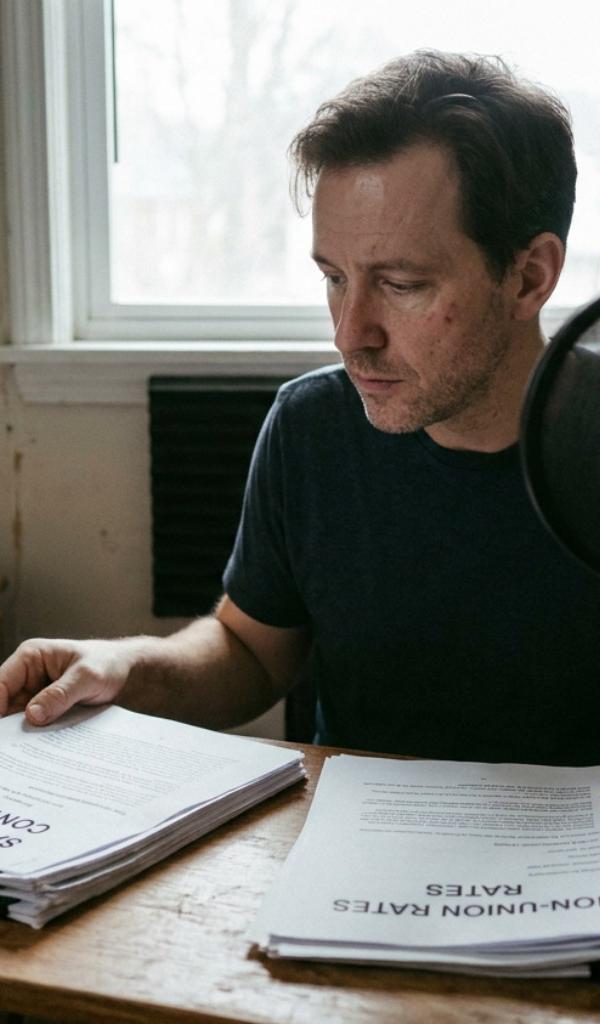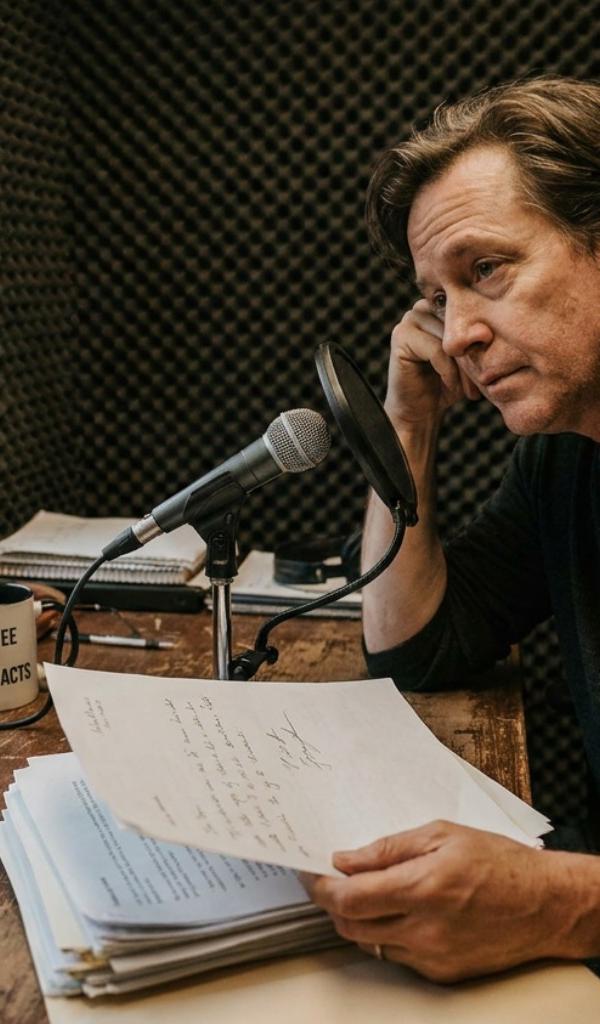
The entire case for an actor doing voice over comes down to a single word that most performers never apply to their own careers: leverage. Not "do more." Not "add another hustle." Leverage — the work you already do, paying you in more directions than you're currently collecting on. And the genuinely beautiful part, the thing that should make this feel less like a new mountain and more like picking up money you left on the ground, is how little new infrastructure it actually requires. Because when you look honestly at what a modern self-taping actor has already built, you realize your self-tape workflow already contains most of a voice-over career. You didn't know you were building two things at once. You were.
Your Self-Tape Space Is Your Voice-Over Booth
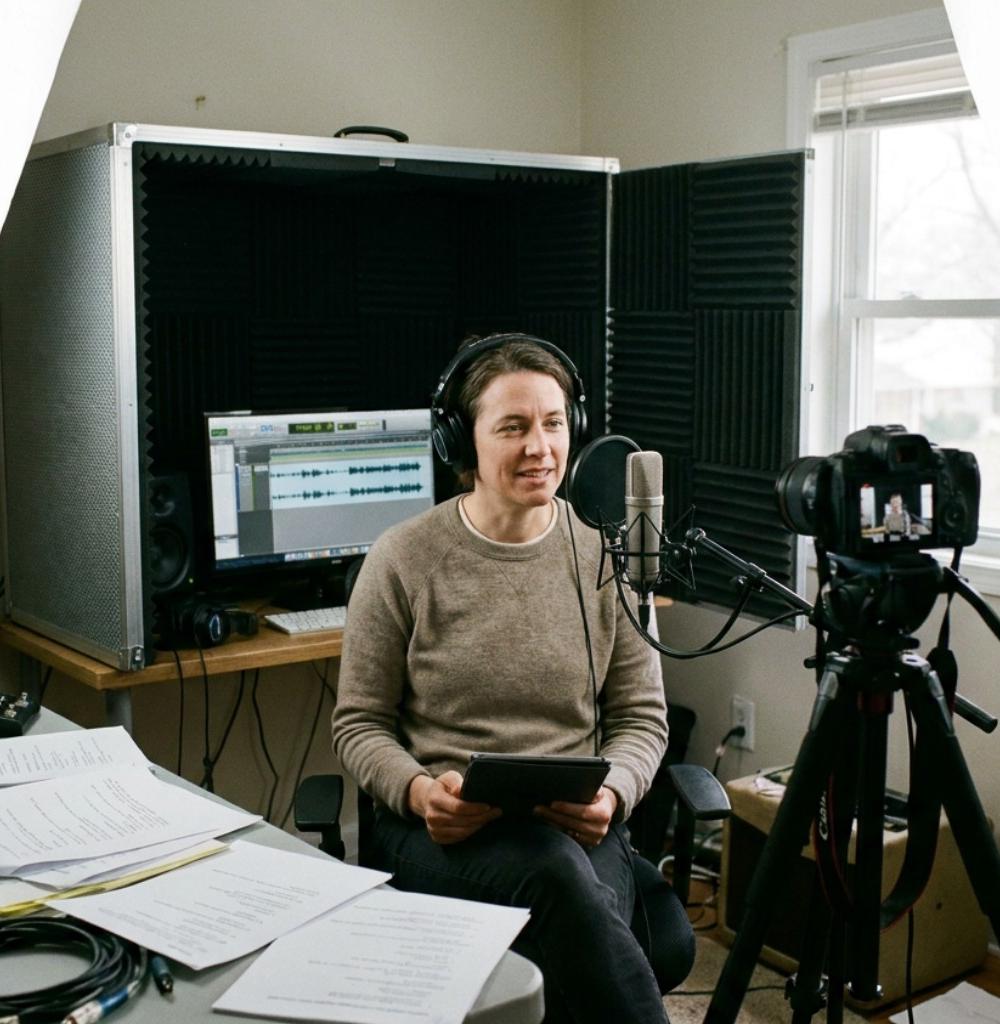
Start with the most literal overlap: your self-tape space is your voice-over booth. That treated corner, that blanketed closet, that quiet spot you dialed in to kill echo and control sound for your on-camera auditions — it does the exact same job for voice work, because the acoustic problem is identical. You already solved it. You already know how to make a room sound clean and close. And there's a bonus most actors never think about: if a casting director asks for a voice sample with video — increasingly common — your rig is already hot. Camera framed, lighting set, sound controlled. You're ready in two minutes, while another actor is scrambling to figure out where to even record. The setup you sweated over for on-camera work is a two-for-one you've been using at half capacity.
Your AI Scene Partner Is Your Voice-Over Coach
Then there's the tool you're already training with: your AI scene partner is your voice-over coach. Load commercial copy into it. Load animation sides, narration passages, cold-read scripts. Then run against it exactly the way you drill your on-camera sides — live, cold, responsive. Here's what makes this pure leverage: you're not adding a separate voice practice to your week. The very same session that builds your on-camera confidence is building your voice muscle at the same time. One workout, two returns. Every rep you were already going to do now pays you in two currencies. That's the whole philosophy in miniature — not more effort, more yield from the effort you're already spending.
Your Cold-Reading Ability Is VO's Core Competency
And underneath the tools sits the skill itself: your cold-reading ability is voice over's core competency. We covered this at length, but it bears repeating here as part of the bigger picture — the instant-analysis muscle you've built self-taping on tight deadlines is the exact muscle the sight-reads that dominate VO auditions demand. Who am I talking to, what do I want, what's the load-bearing word, where does it turn — you already run that analysis under pressure every time an audition drops. You don't need to develop it. You need to recognize you already have it and aim it at a new target. The same is true for your emotional access (a real feeling on command works in sound as well as on camera), your editing skills (top-and-tailing a self-tape and cleaning a VO file are the same craft), and your self-direction (you've made choices alone in a room your whole career). Asset after asset, you're already equipped.
The Most Valuable Overlap: Relationships
But the most valuable overlap isn't a skill or a space — it's relationships. Your casting-director relationships double. The same people who know you on camera now know you for voice too. And in a business built entirely on rehiring people you already trust, that doubling is worth more than any single booking. Twice the auditions you're eligible for. Twice the names in the industry who've seen you deliver. Twice the ways you get paid to do the exact thing you already love doing. A CD who thinks of you for both on-camera and voice work isn't twice as likely to hire you — over time, they're far more, because every category you're on their radar for compounds the odds they call your name.
Compound Is the Word
And compound is the word that unlocks the whole idea. That's the Full Stack actor in one sentence: not doing more work, but making the work you already do compound. You built a self-tape practice for one purpose — to book on-camera roles. But that practice was quietly building a second, nearly-complete career the entire time: the space, the tools, the skills, the relationships, all transferable, all already paid for. Activating the voice-over half costs you almost nothing new — a cheap mic, a little genre-specific practice, a few profiles set up. Everything expensive and hard, you've already done.
Flip the Switch
So understand what ignoring this actually is. It isn't caution. It isn't focus. It isn't "staying in your lane." It's leaving half your career on the table — half the auditions, half the casting relationships, half the income, all of it available through infrastructure you already own and reps you're already doing. The on-camera actor who refuses to touch voice work isn't protecting anything. They're the person standing next to a second, fully-built machine, arms crossed, insisting they only came here to run the first one. Flip the switch. You already built it.
The switch is the setup you already own — pointed at twice the work. HowToSelfTape is free to start and turns the self-tape rig you built for on-camera into a booth that books voice work too.