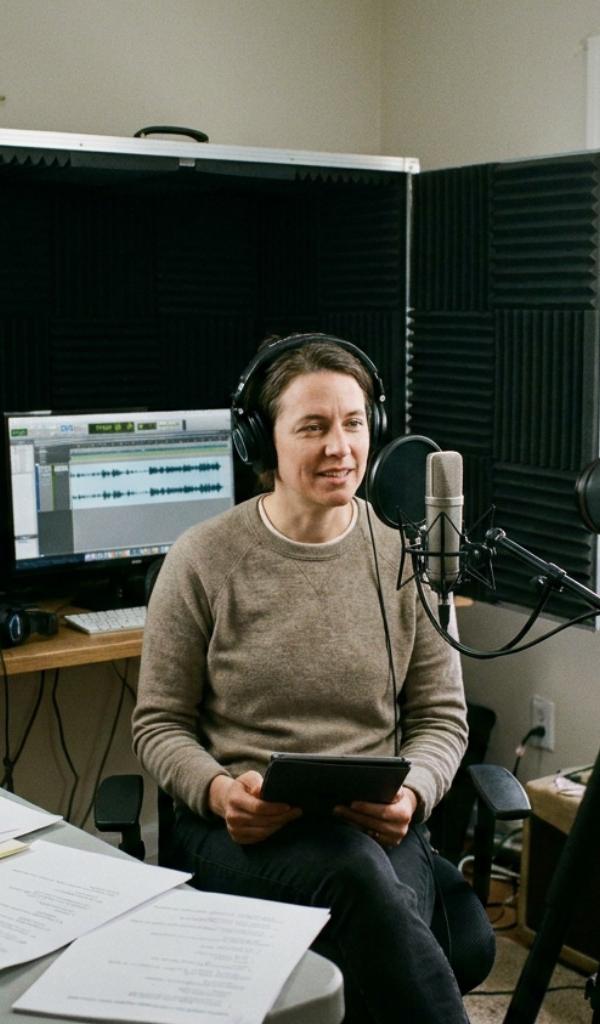
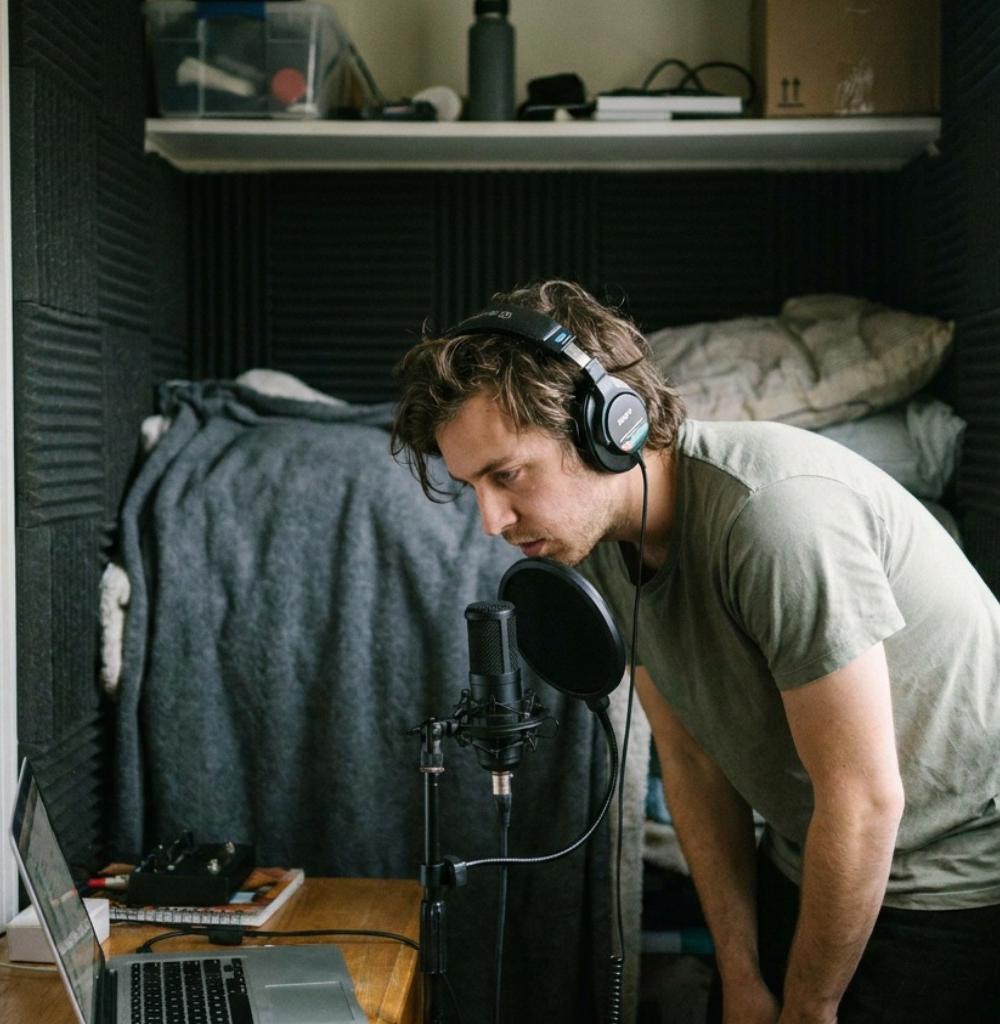
There's a single belief that keeps more talented actors out of paid voice work than anything else, and it's a lie: the idea that you need a polished, expensive voice over demo reel before you're allowed to begin. It sounds responsible. It feels like the "right way" to do things. And it stops people cold for months or years while they save up, agonize, and wait to feel ready. So let's kill it plainly: in 2026, you do not need a demo, an agent, or a union card to start booking voice work. You need three things — a recording, a quiet room, and the ability to take direction. That's the actual list. Everything else is either a later upgrade or a myth you inherited from an industry that no longer exists.
Look at Where the Work Actually Hires From
The fastest way to see through the lie is to look honestly at where the work actually hires from. ACX audiobooks let you audition and get cast straight from a home recording — the author listens to your sample and hires you, no reel requested. Online casting platforms for commercials and e-learning post jobs you win off a self-recorded audition tailored to that specific spot. Indie games and small-business clients hire the same way — send a read, get the gig. Notice the pattern that runs through every one of these: the recording is the résumé. Nobody in these transactions is asking to hear a demo reel. They're asking one question and one question only — is your audition right for this job? Your audition for the work you want is your credential. The demo was supposed to be a proxy for "can this person deliver?" But when you can just... deliver, live, on the actual job, the proxy becomes unnecessary.
A Demo Made Too Early Actively Hurts You
Here's the part that flips the whole thing on its head: starting without a demo isn't just acceptable — it's smarter. A demo made too early actively hurts you, because it advertises exactly the thing you're trying to hide. A reel is a highlight — it's supposed to represent your absolute best, most consistent, most professional work. If you make one before you've built real consistency, you produce a collection of uneven, half-formed reads, and now you're walking into rooms handing people evidence that you're not ready. A rushed, mediocre reel does more damage than no reel at all, because no reel is a blank slate, while a bad reel is a documented verdict. You never want to show someone your ceiling before your ceiling is worth showing.
There's No Longer a Door to Guard
Underneath all of this is a permissionless-era truth that most actors haven't fully absorbed: the gatekeeper who used to stand between you and voice work doesn't control the door anymore — because there's no longer a single door to guard. The demo reel was a filter built for a specific old world: a world where you physically had to get past a person — an agent, a studio, a casting office — to be allowed into a booth at all. In that world, the demo was your ticket past the guard. But there's no guard now. There's no one booth, no one gate, no one person deciding whether you're permitted to try. There are hundreds of open doors — ACX, casting platforms, indie developers, direct clients — and you can walk through any of them from your bedroom, today, with no ticket. The filter is obsolete because the thing it filtered for — access — is free now. You already have the booth. You built it for self-tapes. The guard the demo was designed to get you past isn't standing there anymore.
What to Actually Do Instead
So here's what to actually do, and it's the opposite of waiting: stop waiting on the artifact and start on the work. Set up profiles where auditions are posted — ACX, a pay-to-play platform, your existing casting sites. Record real auditions for real jobs, this week, not someday. And let the reps build you — the reps of auditioning, of getting notes, of hearing yourself back, of drilling consistency under real conditions — instead of a premature reel built in a vacuum. Those reps are what forge the very consistency a great demo is supposed to showcase. You're not skipping the demo forever; you're sequencing it correctly. Earn first. Build the skill in live fire. And when you're genuinely ready — when you can produce clean, professional, consistent reads on command in your target genre — then the demo becomes almost trivial to make, because at that point it's not aspirational. It's just documentation. It simply captures what you can already do on demand.
The Demo Is a Milestone, Not an Entry Requirement
That's the whole reframe. The demo was never the entry requirement. It was always the milestone you earn after the work has already started paying you. Wait for it, and you wait forever. Start without it, and the work itself hands you the demo when you're finally ready to want one.
You already own the booth — the only thing left is to start auditioning from it. HowToSelfTape is free to start and dials in the recording setup and habits that make your live auditions — voice or on-camera — land clean from day one.