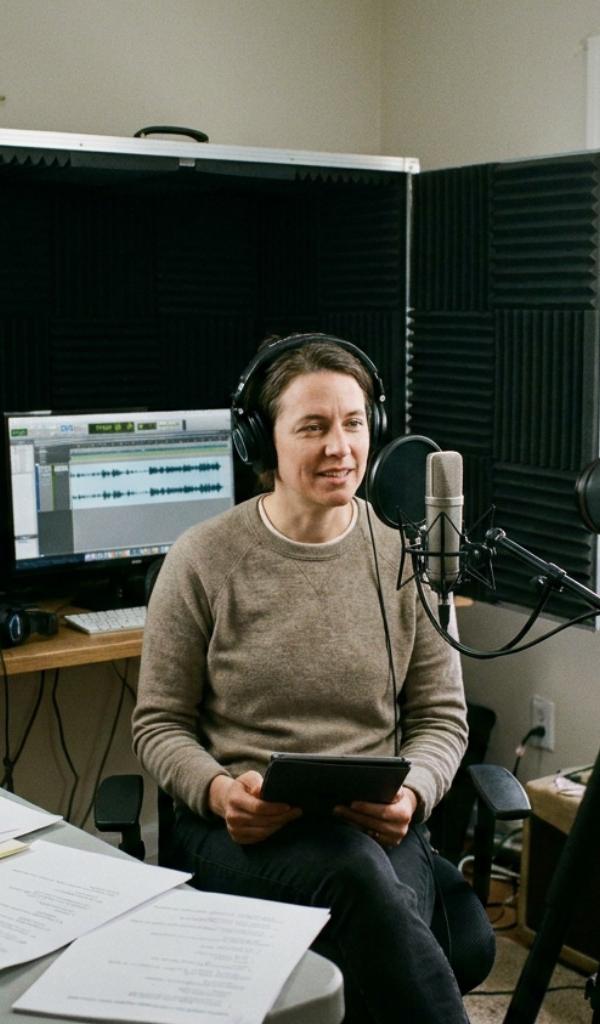
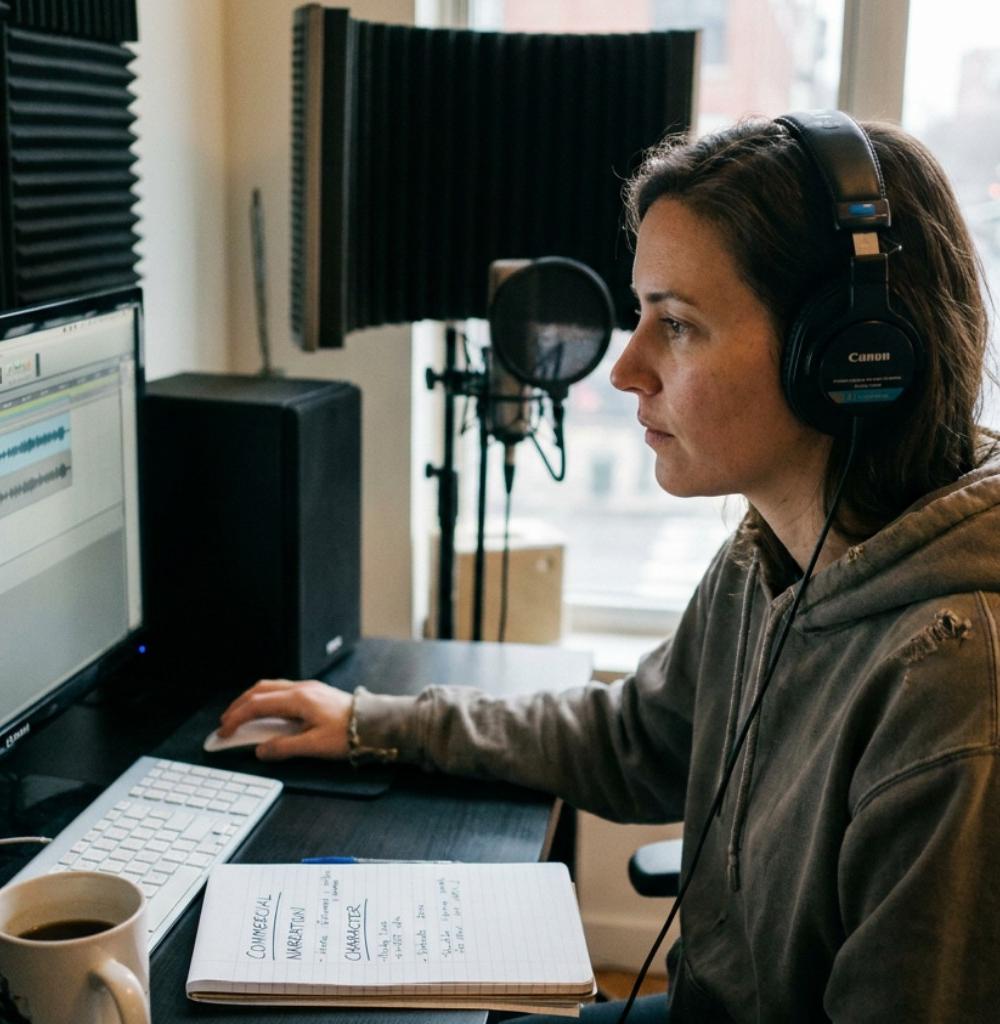
Let's start where the last article left off, because it's the whole frame for this one: a voice-over demo is not your starting line — it's a milestone you earn. You don't make one to get ready; you make one because you are ready. And "ready" isn't a feeling or a calendar date — it's a demonstrable capability. You're ready when you've drilled enough reps, in real auditions and daily practice, that you can produce consistent, professional reads on command in whatever genre you're targeting. Not on your best day. Not when the muse shows up. On demand, reliably, the way a pro does it. Rush the demo before you've hit that bar and it advertises the exact weakness you're trying to hide. Time it right and it becomes the single most powerful marketing asset you own — the thing that gets you agents, direct clients, and better-paying work while you sleep.
Rule One: Never Mix Genres
Rule number one, and it's non-negotiable: never mix genres in one demo. This is the most common rookie mistake, and it kills otherwise-good reels. Casting people and clients don't listen to a demo to be entertained by your range across everything — they listen with a specific need in their head. They need a warm commercial voice, or a clear e-learning narrator, or a character for their game. When they hit a demo, they're scanning for evidence you can do that one thing, and a reel that lurches from a car commercial to a cartoon villain to an audiobook chapter reads as unfocused and amateur — it makes them work to find what they came for, and they won't. So you make separate demos for each lane you seriously pursue, and you only pursue the two or three that actually fit your instrument. One clean, focused commercial demo beats a scattershot "everything" reel every time.
The Anatomy of Each Demo Type
Now the anatomy of each type, because they're genuinely different objects. A commercial demo runs about 60–90 seconds and stitches together six to ten short spots — just the strongest few seconds of each — showing distinct flavors: warm and conversational, bright and energetic, the untrained "real person," the confident authoritative read. Variety is the point; you're proving you can be several believable people. And the single most important structural rule: your strongest material goes first, because listeners decide whether to keep going in the opening seconds — a weak first spot means they never hear your best one. A narration or corporate demo is a different animal — it showcases clarity and sustained warmth across a few styles (e-learning, explainer, corporate), proving you can hold attention and make information land, rather than proving you can switch gears fast. An animation/character demo shows distinct, fully-committed characters with big range across comedic and dramatic, each one its own person, demonstrating you can invent and hold voices. And an audiobook sample runs a few minutes — longer than the others by design — because its whole job is to prove multi-character consistency and pacing over a stretch, which you can't demonstrate in a five-second clip.
Production Values Differ by Genre
Production values matter, and — this trips people up — they differ by genre. A commercial demo should sound like real, produced, aired spots: music beds, light sound design, professional polish, so a listener feels like they're hearing work you've already booked rather than a bedroom recording. It should be indistinguishable from a reel of your actual credits. A narration or corporate demo, by contrast, should be clean and dry — no music, no gimmicks — because that's how the actual work sounds, and dressing it up misrepresents the job. Matching the production style to the genre's reality is itself a signal that you understand the category.
Self-Produce or Hire a Pro?
Here's the honest money question: self-produce or hire a pro? Early on, you can self-produce to save cash — assemble a rough demo from your own clean reads to have something. But understand its ceiling. When you're genuinely ready to compete — to put a reel in front of an agent or a serious client — a professional demo producer is worth the investment, and here's why it's not just about polish: a good demo producer directs you. They pull performances out of you that you can't get alone, they choose material that flatters your specific instrument, they cut and sequence for maximum impact, and they master it to industry standard. The performances on a pro-produced demo are often better than anything you'd have captured self-directing, because someone was in the room getting more out of you. It's the difference between a demo that says "I can do this" and one that says "I'm already doing this at a professional level."
Keep the Rest of the Kit Simple
Keep the rest of your kit deliberately simple, because gear-shopping and website-building are classic ways to avoid the real work. You need a clean, consistent home recording chain (which you already have), a fast, correctly-formatted delivery process so you can turn files around quickly and to spec — because reliability of delivery is part of your professional reputation — and, as you grow, a one-page voice résumé and a simple profile or site that anchors your business presence, where your demos live and clients can reach you. That's it. You don't need an elaborate brand before you have work; you need the demos to be findable and yourself to be easy to hire.
The Order of Operations
But never lose the order of operations, because it's the thesis of this entire article: reps first, then the demo. The demo doesn't make you good — it captures the good you already are. Build the skill in live auditions and daily practice until consistency is automatic, and only then invest in a focused, genre-specific, professionally produced reel that documents a real capability. Do it in that order and the demo is a milestone that opens doors. Do it backwards and it's an expensive advertisement for the fact that you jumped the gun. Earn it first. Then it works for you forever.
Reps first — that's where the demo actually comes from. HowToSelfTape is free to start and helps you build the reliable home-recording chain and daily reps that make your eventual demo almost trivial to produce.