

Self-Taping
What Makes a Self-Tape Book (Same Sides, 2 Takes)
Two actors, the same three lines — one gets deleted, one books it. Watch the exact difference play out, then steal the drill that trains it.
21 days ago

"Amateur" is a feeling casting has before it's a thought — usually in the first three seconds. Here's what actually triggers it, and the first move that flips it.
23 days ago

It's not talent — it's calibration. Six specific dials decide whether the lens reads you as real or as "acting." Here's what each one controls and how to set it.
29 days ago
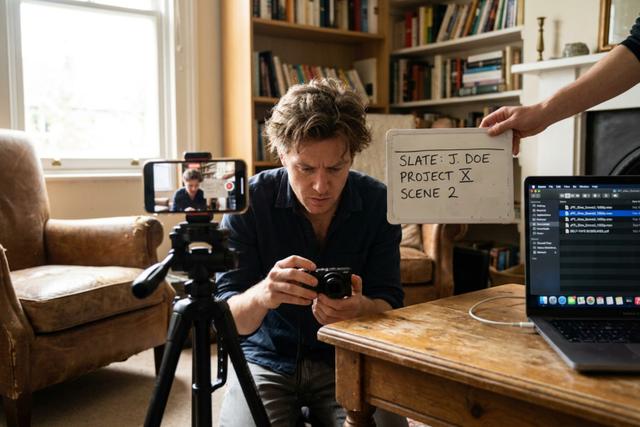
Learn how to format a self tape correctly — orientation, resolution, slate placement, and file naming — so casting never rejects a strong audition on a simple technicality.
4 months ago
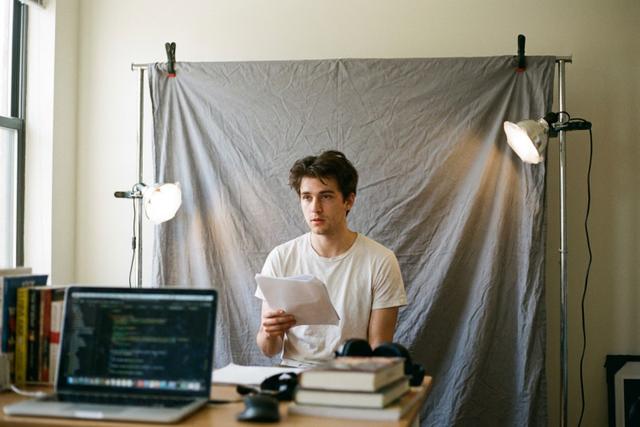
A good self tape backdrop keeps casting focused on your face, not your room — cheap, professional background setups, best colors, and exactly how to light them.
4 months ago
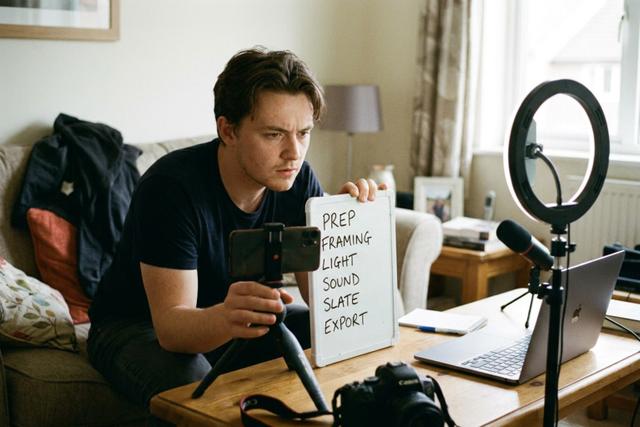
Run this self tape checklist before every audition — prep, framing, light, sound, slate, and export — so nothing gets missed and every tape looks bookable.
5 months ago
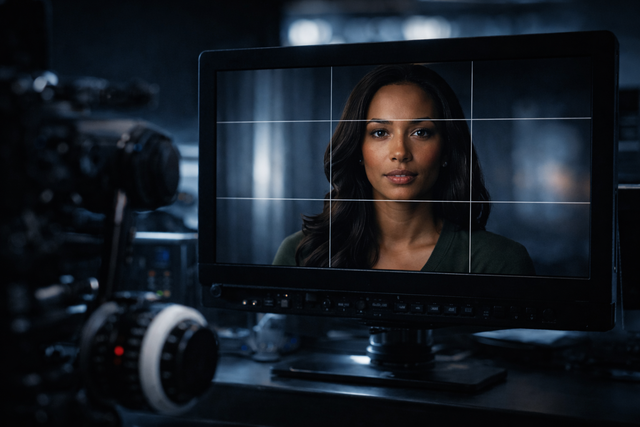
Self tape framing is the difference between casting watching your audition and skipping it — learn shot size, headroom, eyeline, and lens height that actually work.
6 months ago
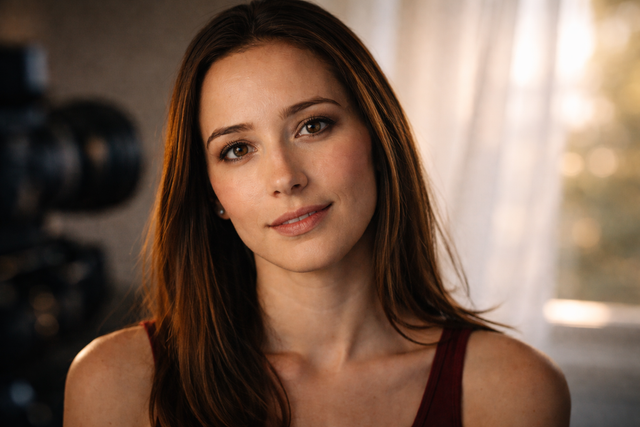
A natural light self tape can outshine an expensive LED kit — here's how to pick the right window, timing, and simple bounce tools for free.
6 months ago
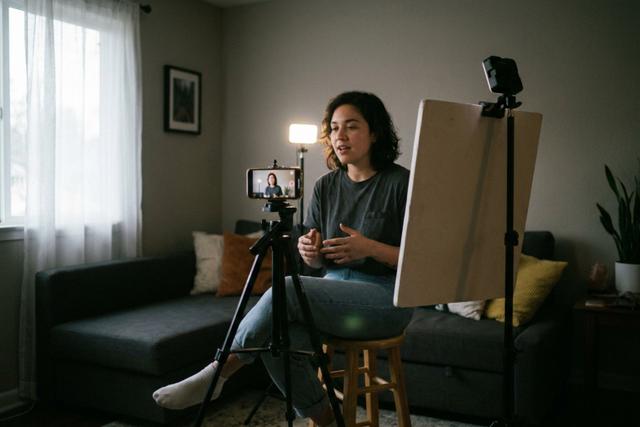
A proper self tape lighting setup uses key, fill, and back light to give your face real dimension — no film crew or expensive gear required.
6 months ago
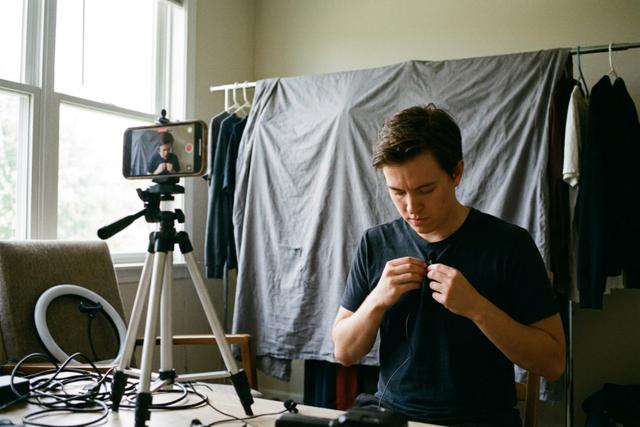
Building a self tape setup at home takes a phone, a window, and about fifty dollars — here's the exact camera, light, sound, and backdrop plan.
6 months ago