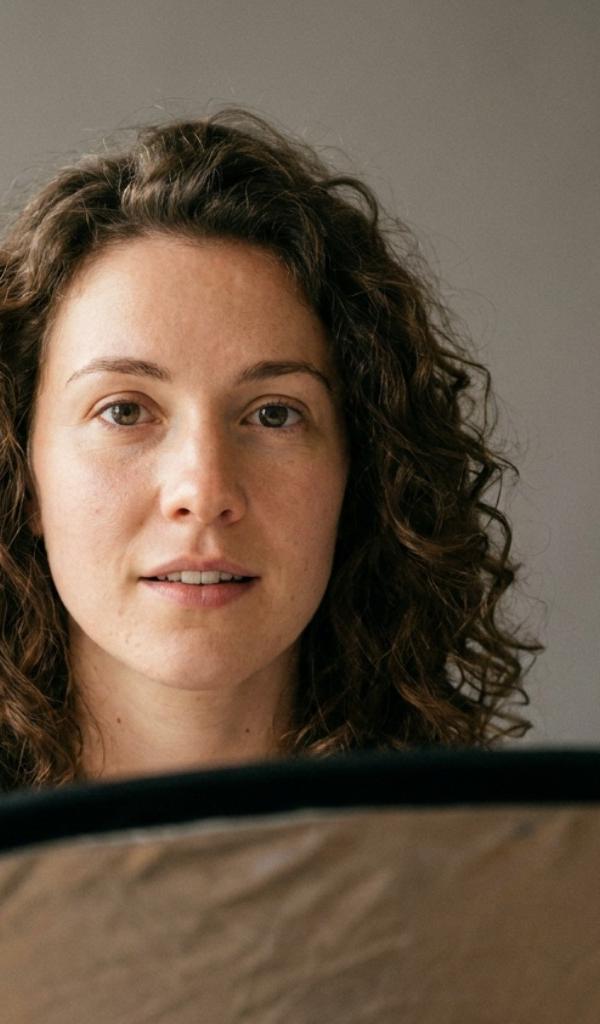

You booked the photographer, you've prepped your look, and then you stand in front of your closet the night before and freeze. It seems like a small question, but what to wear to a headshot quietly decides whether the photo works. The wardrobe's whole job is to make your face the star — and the wrong shirt does the opposite, pulling the eye away, dating the image, or sending casting the wrong signal about your type.
The good news: the rules are simple, and once you know them, dressing for a headshot gets easy. Less is almost always more.
The short answer: Wear solid colors in flattering, mid-tone shades, in fitted (not tight, not baggy) clothing with a simple neckline. Skip logos, busy patterns, and bright white or pure black. Dress for the roles you're pitching — softer and warmer for commercial, more grounded and textured for theatrical. The clothes should support your face, never compete with it.
Why wardrobe matters more than you think
A headshot has one job: make casting look at your eyes and instantly read your type. Everything you wear either helps that or fights it. A loud pattern drags the eye down to the fabric. A logo turns a timeless photo into a dated one. A washed-out color makes you disappear against the background. Good headshot wardrobe is invisible — you don't notice the shirt, you notice the person.
The rules that always work
- Solid colors. No patterns, stripes, or graphics. Solids keep the focus on your face.
- Mid-tone, saturated colors. Jewel tones and rich mid-tones (deep blue, burgundy, forest green, teal) photograph beautifully and make your face pop against the background.
- Fitted, not tight or baggy. Clothes that skim your frame look intentional. Baggy reads sloppy; too tight reads uncomfortable.
- Simple necklines. A clean crew, a subtle V, or an open collar frames the face and neck. Busy or high necklines can shorten your neck or crowd your face.
- Layers and texture. A simple jacket, a knit, or a textured top adds depth and dimension — more interesting than a flat tee, without adding noise.
- Bring options. A few tops in different colors and a layer or two, so you and the photographer can adjust on the day.
What to wear by type
Your wardrobe should point at the roles you actually get seen for:
- Commercial look: softer, brighter, friendlier. Approachable colors, a clean casual top — "the relatable person in the ad." Warm and open.
- Theatrical / dramatic look: more grounded and textured. Deeper tones, a jacket or layered piece, a slightly more serious feel — the roles with weight and story.
- Dress the part, subtly. If you play cops, lawyers, or professionals, a clean collared shirt hints at it. If you play warmer, everyman roles, keep it casual. Suggest the type — don't wear a full costume.
Dress for the job you want to be called in for. Your headshot wardrobe is a quiet costume — it tells casting which roles to picture you in.
Colors, patterns, and grooming
Colors: choose shades that flatter your skin tone and hair, and that stand out from your headshot's background. Rich mid-tones win.
Patterns: avoid them. Even subtle stripes and checks can shimmer or distract on camera.
Grooming: keep it natural and current — you, on a good day, not a transformed version. Minimal, natural makeup that evens things out rather than reinventing your face. The goal is that you walk into the room and match the photo exactly.
What NOT to wear
- Logos or brands. They date the photo and distract. Never.
- Busy patterns, stripes, or graphics. They pull the eye off your face.
- Pure white or pure black. White blows out and can look like underwear on camera; solid black can flatten and lose detail. Go for color instead.
- Trendy pieces. A very "of-the-moment" look dates fast; you want a headshot that lasts.
- Heavy jewelry or accessories. They compete with your face. Keep it minimal.
- Anything ill-fitting. Baggy or too-tight both undercut a clean look.
Frequently Asked Questions
What colors are best for a headshot?
Rich, saturated mid-tones and jewel tones — deep blue, burgundy, forest green, teal — that flatter your skin and stand out from the background. Avoid pure white and pure black.
Can I wear patterns or stripes?
No. Solid colors keep the focus on your face. Even subtle patterns can distract or shimmer on camera and date the photo.
How many outfits should I bring to a headshot session?
Bring several — a few solid tops in different colors plus a layer or two — so you can capture a commercial look and a theatrical look and adjust on the day.
Should my headshot wardrobe match my type?
Yes, subtly. Lean warmer and brighter for commercial roles, more grounded and textured for dramatic ones, and hint at the kinds of characters you play without wearing a literal costume.
Let the clothes disappear
Knowing what to wear to a headshot comes down to one principle: the wardrobe should vanish so your face and type take over. Solid, flattering colors, a clean fit, a simple neckline, and no logos or patterns — dressed toward the roles you want. Get the clothes out of the way, and casting sees exactly what they're supposed to: you.
Once your headshot nails your type, it has to reach the right rooms. GotAudit