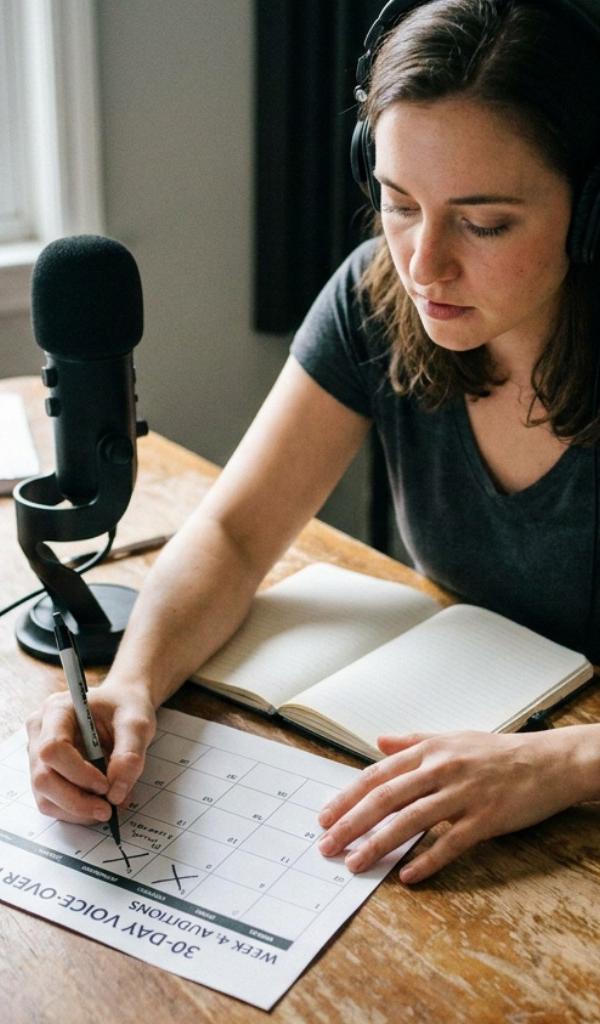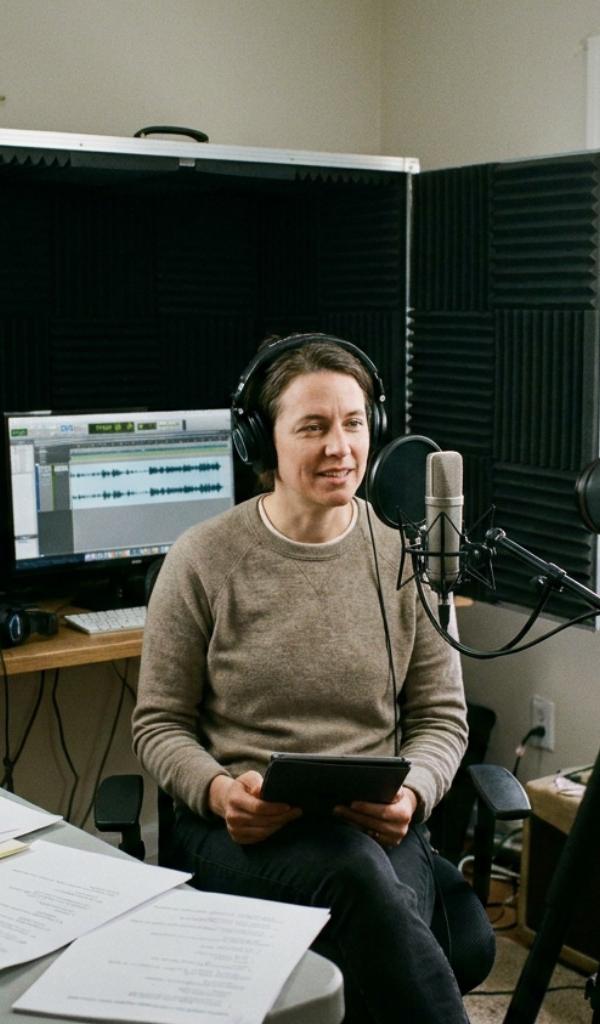
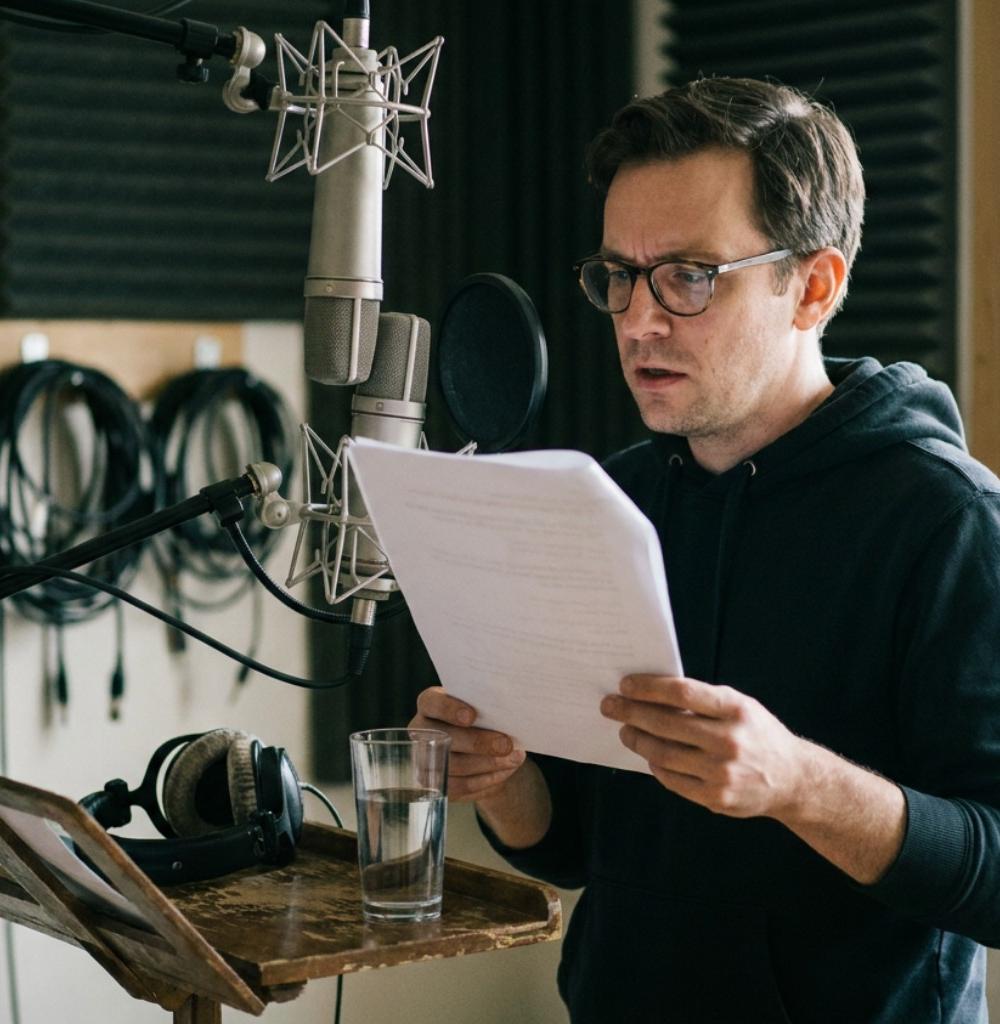
Here's a fact about voice work that terrifies beginners and delights pros: a huge amount of it is sight-read or near-sight-read — pure cold reading. You get the copy and you deliver — sometimes with a few minutes to prep, sometimes with only a moment, sometimes literally reading it for the first time as the record light goes on. A commercial session hands you fresh revisions on the spot. A game session throws you a barks list you've never seen. An audiobook has you interpreting a paragraph you're encountering in real time. For someone who imagines "real actors" memorize everything for weeks, that sounds like a nightmare. But the second you realize what cold reading actually is, the fear evaporates — because it's the exact muscle your self-tape practice already builds. You're not learning a terrifying new skill. You're pointing an old, well-trained one in a slightly new direction.
You Already Do This
Think about what you already do. Every time a self-tape audition drops with a same-day deadline, you get sides you've never seen, and you have to understand them, make choices, and perform them convincingly, fast. That's cold reading. You've been doing it, under pressure, for as long as you've been auditioning. Voice over just removes the camera and asks the same muscle to do the same work through sound instead of image. The transfer is nearly total — which means you're not starting at zero, you're starting from years of reps you didn't realize counted.
Naming the Actual Skill: Instant Analysis
So let's name the actual skill, because "cold reading" is vague until you break it down. It's instant analysis — the ability to look at unfamiliar text and, in seconds, answer a handful of questions that turn words on a page into a real human moment. Who am I talking to? (One specific person, always — never "the audience.") What do I want? (The intention driving the line.) What's the single word that carries this line? (The load-bearing word that, hit right, makes the whole thing land.) And where does the thought turn? (The pivot — the "but," the shift, the moment the idea changes direction.) That's the analysis. On camera, you express the answers with your face, your eyes, your body, your stillness. In voice over, you move every bit of it into sound — into pace, pitch, warmth, emphasis, breath. Same analysis, different delivery channel. The thinking is identical; only the output moves.
The Mechanical Layer: Fast, Accurate Scanning
There's a mechanical layer worth naming too: fast, accurate scanning. Good cold readers learn to let their eyes run slightly ahead of their voice, taking in the next phrase before they've finished speaking the current one, so they can shape a sentence they can already see the end of. That's why a sight-read from a pro sounds like they know the copy — because their eyes are living a half-beat in the future. It feels unnatural at first and becomes automatic with reps, exactly like learning to read music while playing.
The Practice Method: Read Everything Out Loud
The practice method for all of this is beautifully simple and completely free: read everything out loud. Not silently — out loud, performing it. Commercial copy you find online, animation sides, narration passages, and yes, genuinely, cereal boxes, junk mail, ad copy, Wikipedia paragraphs, the terms and conditions. The specific content doesn't matter; the goal is to shrink the gap between "see it" and "perform it" until it's basically zero — until see it, understand it, perform it is one instantaneous motion instead of three separate steps. You're training your eyes, your brain, and your voice to fire together on unfamiliar text. Do it daily and the "cold" in cold reading stops feeling cold.
The Five-Ways Drill
Then, once you can deliver clean, you push into range, because a sight-read that's technically correct but one-note doesn't book. This is the five-ways drill, and it's the single most valuable cold-reading exercise there is: take one 30-second script and read it five completely different ways. Hard sell. Intimate whisper. Best-friend confession. Bored teenager. Confident expert. Same words, five distinct human beings. This does two things at once — it builds the range casting demands, and it trains you to make fast, decisive interpretive choices on the fly, which is the heart of cold reading. Range isn't a gift some people are born with; it's built by reps, and the reps cost nothing but your willingness to do them every day.
Your Existing Tools Do Double Duty
This is also exactly where your existing tools stop being on-camera-only and start doing double duty. Load VO copy into your AI scene partner and run cold reads against it — the same way you already drill on-camera sides. Feed it commercial scripts, animation dialogue, narration passages, and read against the cue, live, cold. The tool you built your on-camera confidence with builds your voice muscle in the very same session. One workout, two payoffs — you're not adding a separate voice-over practice to your day, you're extracting a second return from the practice you already do.
Recognition and Reps
So here's the reframe to carry with you: cold reading isn't a special voice-actor gift that some people have and you don't. It's a rehearsable skill — and more than that, it's a skill you've already been rehearsing every single time you self-tape on a deadline. The only thing separating you from the actors who make sight-reading look effortless is recognition and reps. Recognize that the transfer from self-tape is nearly total, drill it out loud every day, and the thing that scares beginners most — "sight-read on demand" — quietly becomes the thing you're known for. The nightmare turns into your calling card. It's the same muscle that carries you through a same-day audition, aimed at the mic.
The best cold-reading gym is the practice rig you already own. HowToSelfTape is free to start and includes the tools — including an AI scene partner — that let you drill cold reads for voice and camera in the same session.