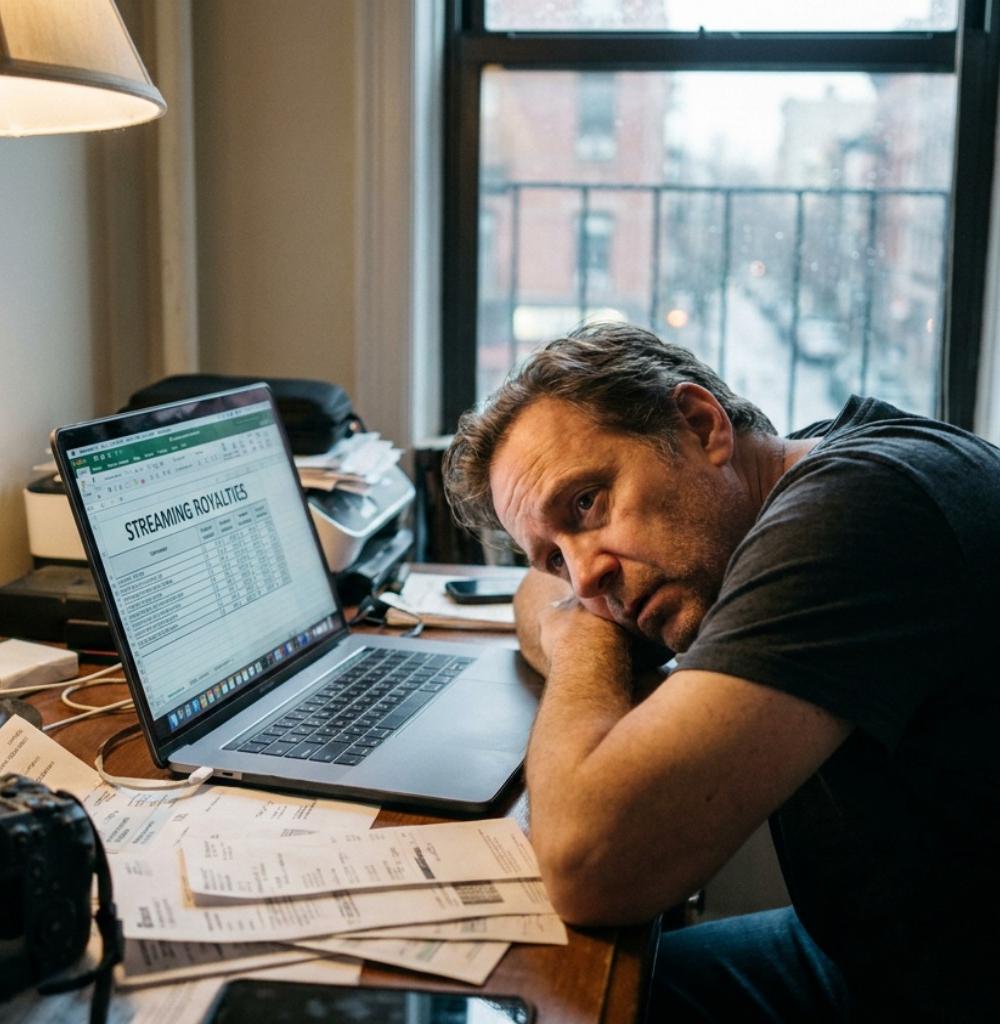
The widest door pays you almost nothing. That's the quiet truth sitting at the center of every indie filmmaker's distribution dream. You finish your film, you get it on a major streaming platform, you tell everyone you know — and then the quarterly statement arrives and you stare at a number that would embarrass a vending machine. This isn't a scare story. It's a map. Because once you understand why the widest door is nearly always the worst-paying one, you can stop treating distribution like a finish line and start treating it like a business decision.
The short answer: Ad-supported and aggregator-placed streaming deals — the ones easiest for indie films to land — typically pay between $0.001 and $0.007 per stream, with no minimum guarantee. A film that racks up 50,000 views might generate less than $200. Diversifying across revenue channels and owning your direct-to-audience pipeline is the only sustainable fix.
Why "Getting on Streaming" Became the Goal Nobody Questioned
Ten years ago, getting your indie film onto a recognizable streaming platform felt like validation. It was scarce. Gatekeepers were real and visible. Today, the door is so wide that aggregators will place almost any technically competent feature film on major platforms for a flat fee — often somewhere in the low hundreds of dollars, though fees shift constantly so always confirm directly with the aggregator before budgeting.
The problem is that scarcity and value got separated. When a platform hosts hundreds of thousands of titles, your film competes not just for viewers but for the algorithm's attention. And the algorithm doesn't owe you anything. Most indie titles on ad-supported tiers see the overwhelming majority of their lifetime streams in the first six weeks. After that, they exist — they just don't perform.
The myth is that presence equals income. The reality is that presence, without audience, equals a very quiet corner of a very loud room.
What the Widest Door Actually Pays Per Stream
Let's bring the numbers to life, because vague warnings don't change behavior — specifics do.
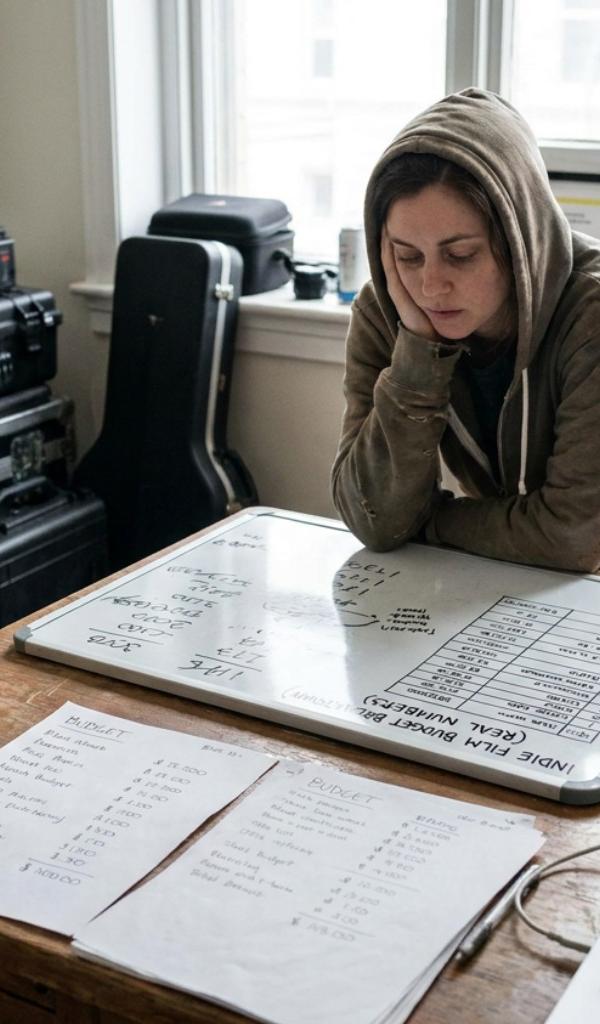
Ad-supported streaming tiers from major platforms pay rights holders somewhere between fractions of a cent and less than one cent per stream, depending on the territory, the ad revenue in that window, and the deal structure your aggregator negotiated. Say your film lands 80,000 streams in its first quarter — a genuinely strong result for an unmarketed indie. At $0.004 per stream, that's $320. If your aggregator took a revenue share on top of the placement fee, you might net closer to $240.
That's not a royalty check. That's a tank of gas and a good meal.
Subscription video on demand (SVOD) deals work differently — platforms license your film for a flat fee or a minimum guarantee against a revenue share. These deals can be meaningful. A mid-tier SVOD license for a well-reviewed feature might range from a few thousand dollars to the low five figures. But most films don't get SVOD offers. They get aggregator-placed ad-supported placement, which is a fundamentally different animal.
The distribution deal that feels like an arrival is often just the beginning of the real financial problem.
The Common Mistake That Costs Filmmakers Real Money
Here's the move that sinks otherwise smart filmmakers: signing an exclusive deal too early, too broadly, or too cheaply, and locking out every other revenue stream in the process.
Imagine you've just finished a compelling feature documentary. A mid-level platform offers non-exclusive streaming rights, but an aggregator pitches you on a bundled "full rights package" that gets you on seven platforms simultaneously. Sounds like reach. What it actually means is that you've handed over the ability to run a direct sales campaign, license to educational institutions, or negotiate a foreign pre-sale — all of which could dwarf your streaming income — without realizing it.
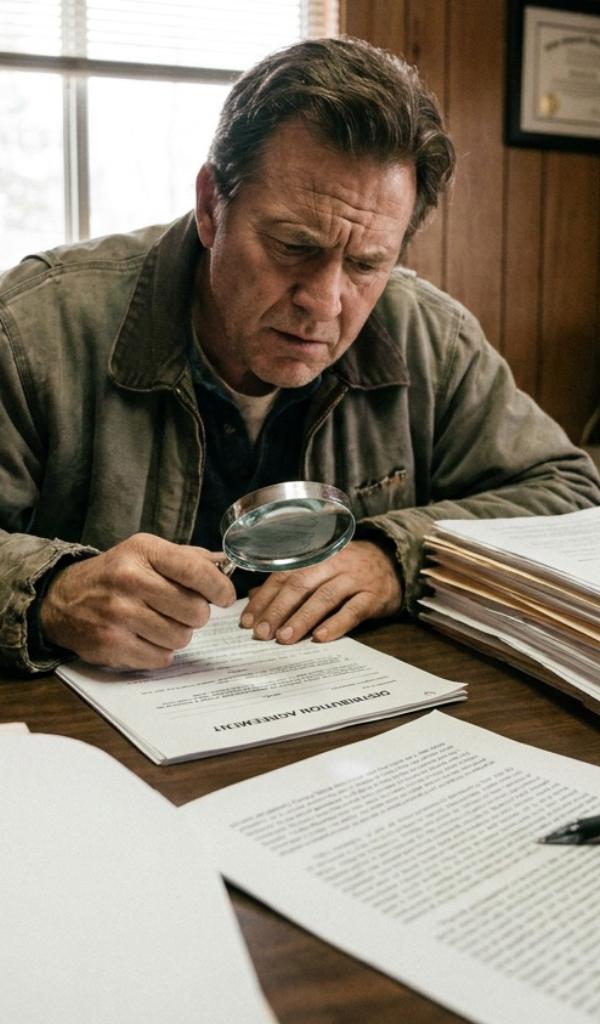
Read every clause about exclusivity windows, territory scope, and term length before signing anything. If the contract language confuses you, pay an entertainment lawyer for a one-hour review. That hour costs less than the revenue you'll lose if the contract is wrong. For deeper context on the business architecture around distribution, the conversation starts at the funding and grants stage — how you capitalize your film shapes what distribution deals you need to take.
The Revenue Channels That Actually Pay Indie Filmmakers
The filmmakers who sustain careers don't rely on streaming royalties. They build a stack.
- Festival prizes and market deals. A jury award at a well-regarded regional festival won't pay the mortgage, but it creates leverage in licensing conversations. A market screening at a sales market is where real SVOD and foreign territory deals are born. Your film festival strategy is, functionally, a revenue strategy.
- Educational and institutional licensing. A documentary about labor history or a narrative film that explores mental health can generate recurring license fees from universities, hospitals, and nonprofits. These deals are unsexy and often invisible on social media, but a single institutional license can equal a year of streaming income.
- Transactional VOD (TVOD). When someone pays $3.99 to rent your film, you see a far higher per-transaction return than any stream. The trade-off is that TVOD requires active audience marketing — nobody browses for your title by accident.
- Direct sales and community screenings. Selling a DRM-protected download directly from your own site, or organizing ticketed community screenings with a post-film Q&A, puts nearly the full sale price in your pocket and builds the kind of audience relationship that streams never create.
- Brand partnerships and sponsored content windows. On the documentary side especially, a brand whose values align with your film's subject matter may sponsor a free screening window or underwrite a limited release in exchange for co-branding — which you control.
How to Think About Your Film's Distribution Before You Finish It
This is where most filmmakers make the foundational error: they treat distribution as a post-production question. It isn't. It's a pre-production question dressed in post-production clothes.
Who is the specific audience for this film? Where do they already gather? What would motivate them to pay for it rather than scroll past it? If you can answer those questions before you lock picture, you can build a release strategy that doesn't depend on algorithmic charity.
The films that generate real filmmaker income almost always have a community built in — a subject matter with an existing advocacy base, a cast with genuine followings, or a story tied to a place whose local press will actually cover it. None of that happens accidentally. It happens because the filmmaker asked distribution questions in the writers' room, not the distribution meeting.
Strong screenwriting craft and a clear understanding of your film's audience aren't separate concerns. The story you choose to tell determines the audience that exists before you ever shoot a frame.
What a Smarter Distribution Plan Looks Like in Practice
Picture a first-time feature director with a 90-minute narrative film, no name cast, and a $40,000 budget. The wide-door reflex is to upload through an aggregator and tell people it's "on streaming." A smarter path might look like this: six to eight months of targeted festival runs to build reviews and award credits; a direct email list built from every screening; a TVOD window on a platform where the filmmaker retains high revenue share; a limited educational license to film programs; and only then, a non-exclusive ad-supported streaming placement to maximize long-tail discoverability — with no rights locked that would prevent a future SVOD offer.
That's not a guaranteed hit. But it's a plan with multiple revenue events rather than one passive trickle.
If you want to build out your distribution thinking alongside your overall filmmaking business, FilmmakerGenius is a free starting point — the kind of resource that treats distribution as a craft, not an afterthought.
Frequently Asked Questions
Is it worth putting my indie film on streaming at all?
Yes — but not as your primary revenue event. Streaming placement builds discoverability and legitimacy. The mistake is expecting it to pay you. Use it as the final layer of a revenue stack, not the foundation. Run your TVOD and direct sales windows first, then open the streaming door wider once you've captured every motivated buyer you can reach.
What is an aggregator and do I need one?
An aggregator is a company that packages and delivers your film to streaming platforms on your behalf, since most platforms don't accept direct submissions from individual filmmakers. They typically charge a flat placement fee, a revenue share, or both. You do generally need one for platform placement — just compare fee structures and rights clauses carefully before committing.
Can I negotiate streaming deals directly without an aggregator?
For most indie filmmakers, no — not with the major platforms. However, niche platforms and regional services sometimes accept direct pitches, especially for documentary and genre content. A sales agent with platform relationships is the closest thing to a direct negotiation path for narrative features, and their commission is often worth the access they provide.
How do film festivals actually help with distribution income?
Festivals create proof of audience and critical context that changes what distributors and platforms are willing to pay. A film with three award credits and a documented festival run commands more in a licensing conversation than an identical film without them. Think of the festival circuit as a valuation exercise, not just a screening series.
When should I start thinking about distribution strategy?
Before you greenlight the project. Seriously. The subject, the cast, the community around the story — all of these affect what distribution options will be available and what audiences will actually pay for. Filmmakers who wait until picture lock to ask distribution questions are negotiating with a hand they've already been dealt, rather than one they shaped on purpose.
The widest door is real, it's accessible, and it will absolutely take your film. Just know what it's offering in return — and build everything else around that honest number. Your film deserves a business model as strong as its story.