Most new voice actors chase the same crowded lanes — commercials, audiobooks, animation — while a huge, growing source of work sits in plain sight. Every day, countless podcasts and YouTube channels need voices, and many of them can't or won't voice their own content. It's less glamorous than a national commercial, but it's real, recurring, and far more accessible than the traditional lanes. If you want to actually work as a voice actor, the podcast and YouTube narration market is one of the best-kept secrets in the business.
The short answer: Podcast and YouTube narration covers intros, ad reads, and full narration for podcasts, plus voiceover for the enormous world of YouTube channels — explainer videos, documentary-style content, educational channels, and "faceless" channels whose creators don't voice their own videos. It's overlooked because it's newer and less prestigious, but it's growing fast, accessible without heavy gatekeeping, and rich in recurring work. You break in with relevant conversational samples, direct outreach to creators, and reliability that turns one job into an ongoing gig.
What is podcast and YouTube narration?
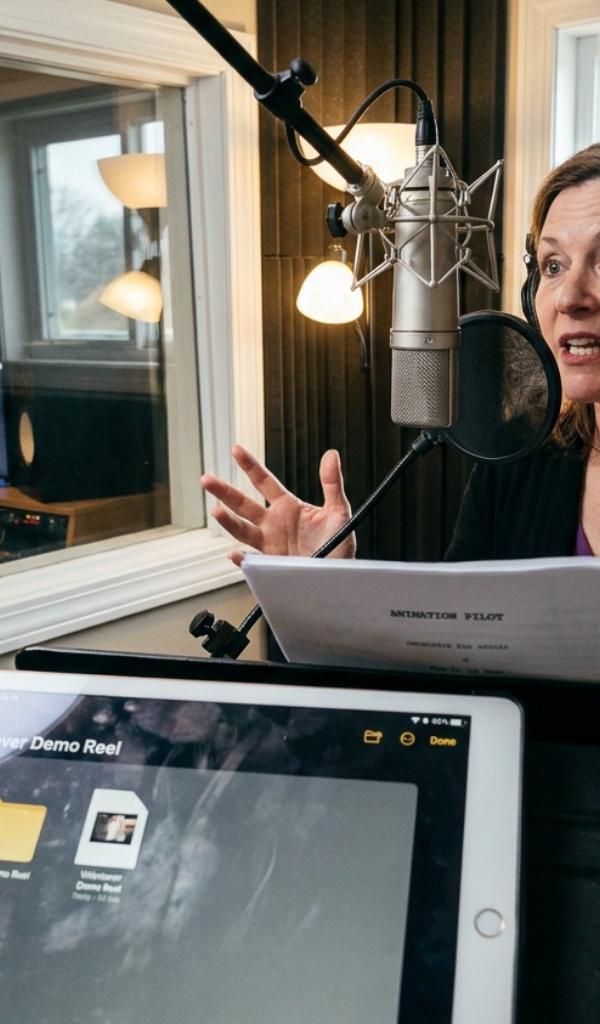
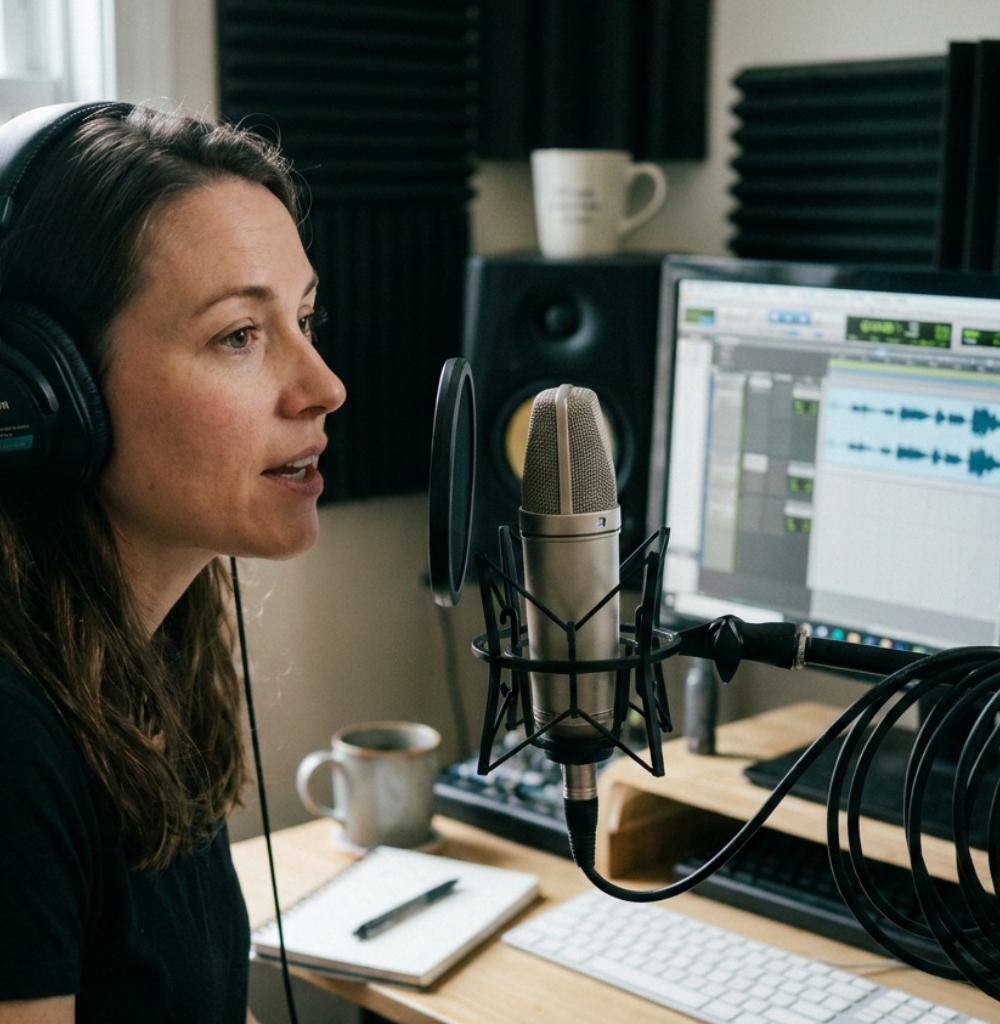
It's exactly what it sounds like: providing the voice for podcast and YouTube content. On the podcast side, that ranges from show intros and outros to host-read-style ad reads, to full narration for scripted and narrative shows and audio dramas. On the YouTube side, it's voiceover for the endless stream of channels that rely on narration — explainer and educational videos, documentary-style pieces, list and compilation content, and especially "faceless" channels built entirely around a voice reading over visuals. In all of it, you're the voice bringing someone else's content to life, usually recorded from your own home setup and delivered digitally.
Why it's an overlooked market
Three reasons this market flies under the radar. First, it's relatively new — this kind of content-creator work didn't exist at scale until recently, so the traditional VO advice doesn't emphasize it. Second, it's less prestigious than a big commercial or a major audiobook, so actors overlook it. And third, it's genuinely accessible — much of it comes from direct clients rather than gatekept auditions, so you don't need an agent or years of credits to start. That same accessibility is the opportunity: while others compete for scarce traditional gigs, there's a vast, growing pool of creators who simply need a reliable voice.
The kinds of work available
The range is wider than most actors realize:
- Podcast intros, outros, and ad reads, often recurring for a show that publishes regularly.
- Full podcast narration, for scripted, narrative, and branded shows.
- YouTube explainer and educational narration, reading over informational content.
- Documentary-style and "faceless" channel narration, where your voice carries the whole video.
- Channel intros, trailers, and promos.
Much of this rewards a natural, conversational, listenable delivery rather than a big "announcer" sound — which is good news if that's your strength.
How to break into it
The path in is refreshingly direct:
- Have relevant samples. Create narration and conversational samples that show you can carry this kind of content, since it's what clients listen for. It builds on the fundamentals in our real working guide to becoming a voice actor.
- Reach out to clients directly. Much of this work comes from you finding creators, not the other way around.
- Use marketplaces where creators hire voices, to land first jobs and reviews.
- Be reliable and reasonably fast. Content creators publish on schedules and value a voice they can count on.
You don't need to wait for permission from a gatekeeper — you need samples, outreach, and dependability.
How to find clients
Go where the creators are. Podcast producers and networks, YouTube channels in niches that use narration, and the platforms and communities where content creators gather are all sources. Identify channels and shows that use a narrator's voice like yours, and send a short, specific pitch: who you are, what you do, a link to relevant samples, and an easy way to work with you. Keep it brief and professional. Because so much of this market runs on direct relationships, consistent, targeted outreach is often more productive than waiting for auditions to appear.
What to watch for
A few cautions keep this market healthy for you. Rates vary widely, and some creators will try to pay very little or offer "exposure" — know what your work is worth and don't undersell it; understanding what each category actually pays helps you hold a fair line. Pay attention to usage, too: a YouTube video or podcast episode can run indefinitely, so understand what use you're granting. And be alert to any contract language about AI or synthetic voice use, and get the terms of each job clear before you record. Treating even small content gigs professionally is what turns them into a real income stream.
Why recurring relationships are the real win
Here's the part that makes this market so valuable: podcasts and channels produce content on a regular schedule, which means one good relationship can become steady, ongoing work rather than a single job. A show that likes your intro wants it every episode; a channel that likes your narration keeps coming back. So while any individual gig may be modest, the recurring nature is where the real money and stability live. Deliver reliably, be easy to work with, and turn each client into a repeat client — that's how an overlooked market becomes a dependable career.
Keep reading: How to Become a Voice Actor: The Real Working Guide, Voice-Over Rates: What Each Category Actually Pays, and Union vs Non-Union Voice Work: How to Decide.
Frequently Asked Questions
What is podcast and YouTube narration work?
It's providing the voice for podcast and YouTube content — show intros, outros, and ad reads, full podcast narration, and voiceover for YouTube channels like explainers, educational and documentary-style videos, and "faceless" channels built around a narrator. It's usually recorded from a home setup and delivered digitally, and much of it rewards a natural, conversational delivery over a big announcer sound.
Is podcast and YouTube narration a good way to start in voice over?
Yes, because it's accessible. Much of the work comes from direct clients rather than gatekept auditions, so you don't need an agent or years of credits to begin. It's also growing fast and full of recurring gigs. Start with relevant conversational samples, reach out to creators directly, and use marketplaces to land your first jobs and reviews.
How do I find podcast and YouTube voiceover clients?
Go where creators are: podcast producers and networks, YouTube channels in narration-heavy niches, and the communities where content creators gather. Identify shows and channels that use a voice like yours, and send a short, specific pitch with relevant samples and an easy way to work with you. This market runs on direct relationships, so consistent, targeted outreach works well.
How much does podcast and YouTube narration pay?
Rates vary widely by client, project, and scope, and some creators offer very little or "exposure," so know your worth and don't undersell. Because pay is so variable, understand the categories and confirm the rate and terms for each specific job. The bigger value often comes from recurring relationships with shows and channels that produce regularly.
What should I watch for in podcast and YouTube narration gigs?
Watch the rates so you're not underpaid, and pay attention to usage, since a video or episode can run indefinitely — understand what use you're granting. Be alert to any AI or synthetic-voice language in contracts, and get the terms of each job clear before recording. Treating even small gigs professionally is what turns them into steady income.
This entire market runs on voices recorded at home, so a reliable home setup is the foundation of every gig. HowToSelfTape (howtoselftape.com) is free to start for actors building their home setup.