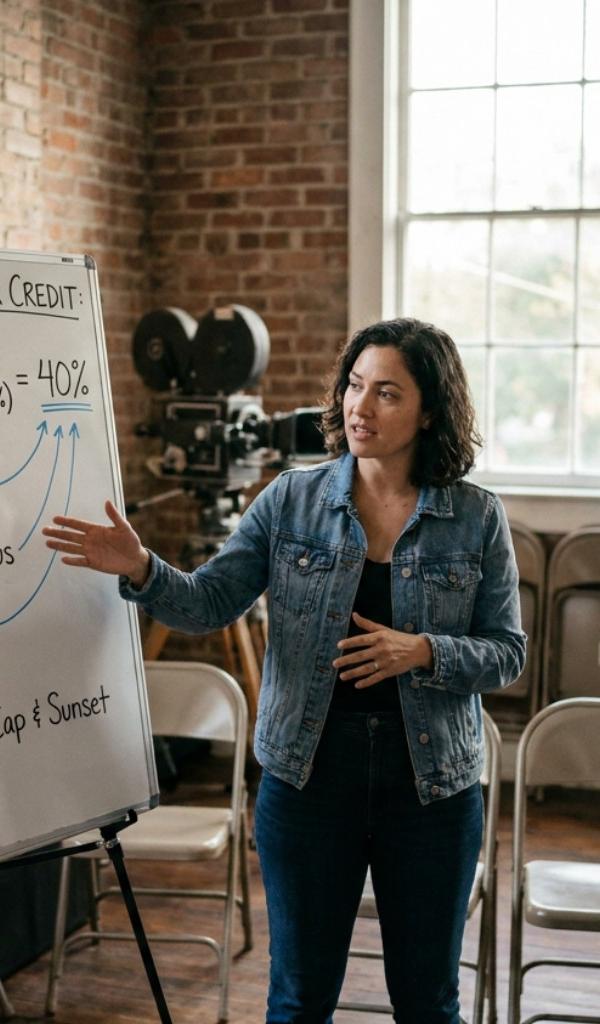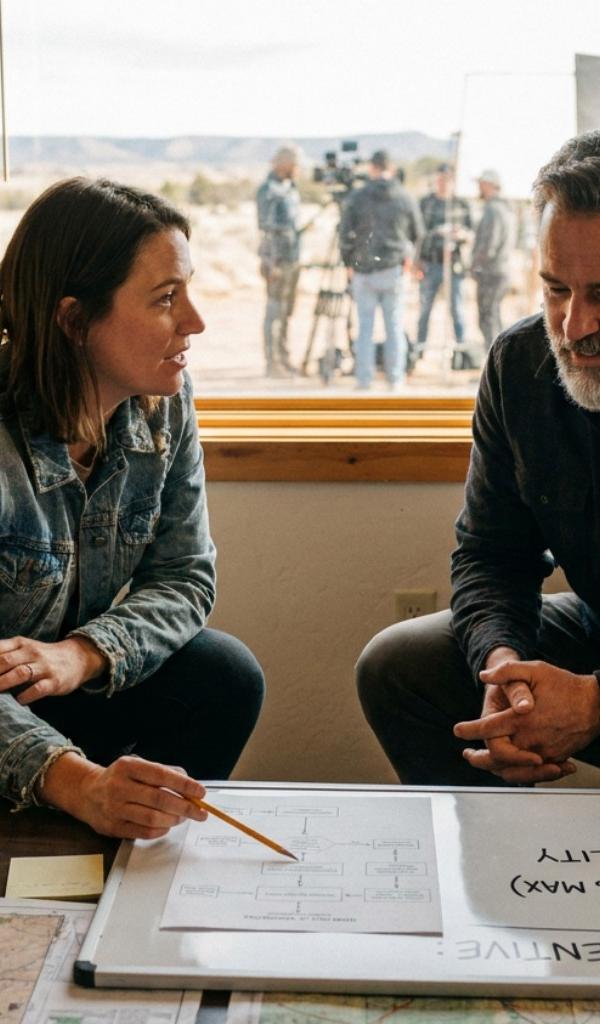
Carmel International Film Festival's financing panel had one message under all the budgets and tax credits: confidence is the currency.
I hosted the financing panel at the Carmel International Film Festival, and I came away with one idea. Investors don't fund scripts, they fund confidence. The panelists — a film-finance executive, a local banker and an independent producer — kept coming back to it in different words.
The finance executive called it "delivery confidence": the belief that you can actually make the movie you say you'll make. A lender or investor wants to see a real budget built by someone with production experience, a line producer who knows tax incentives, an attorney, and a clear plan for where the money goes and how it comes back. The producer behind The Forger said he met with more than 200 potential investors over a year and got nowhere until he learned to speak the language of fiscal responsibility. Artistry gets you in the room, and organization gets you funded.
That's half of the confidence equation. Here is the half I added from the stage.
Do something
Over the last two years, I've gotten calls from veteran actors saying they're thinking about going into real estate because the phone isn't ringing. I ask them the same question: where's your camera? Too many actors still wait for an agent to call, and the people writing checks can tell. Wake up at 7 a.m., not 11, and make something.
A body of work does what no pitch deck can. It proves you finish things, it teaches you every side of the process, and it gives an investor evidence instead of promises. The panelists agreed that movies lead to movies. One of them said he made 13 first-time features in a couple of years by saying yes and rolling up his sleeves.
How to build that confidence
- Make something now, at any scale. A short, a scene or a web series shot for nothing beats an idea you're still waiting for permission to start.
- Get your collateral in order. That means a pitch deck, a script, a realistic budget, a one-page "sales story," and a cast and crew wish list. Be able to answer why this movie needs to be made and why you're the one to make it.
- Don't invent your budget. Numbers that clearly came from a quick AI prompt will hurt you. Work with a real line producer, even for a day, to pressure-test them.
- Set up your business basics. Pick a structure, get an EIN if you form an LLC, and open a business account. The banker on the panel said you can start with about $100, and that lenders typically want two years of business history before financing.
- Learn the incentives. Many states offer rebates of roughly 30%, and some have gone higher. They can also sink you if the accounting isn't done right, so have an attorney and an experienced producer involved.
- Know your audience before you pitch. If your film is about ceramicists, start with ceramic guilds and collectors. Bring partners in early, because they answer the investor's question of how you'll reach people.
- Look local. One panelist funded a film with local hotel groups and a car dealership. Regional sponsors, economic-development offices and community groups benefit when you shoot in their town.
- Pitch from passion, and listen. Bring in smart partners, take notes from people who want to join you, and skip the NDAs.
- Keep the money side clean. Raise a first tranche, get the movie to a place where it will definitely be made, then add the bigger names. Otherwise you're on a treadmill of raising money.
- Treat every conversation as a step. The banker's advice stuck with me. Your personal budgeting and credit habits matter later, and no conversation about money is wasted.
The panel ended with a simple point. The industry won't hand you permission, and the money follows momentum. Show up with your materials in order and a body of work behind you, and the people with checkbooks will see someone worth betting on.
Keep reading: Film Pitch Deck: What Investors Actually Want to See, Grants for Filmmakers: Find and Win Funding, and What Indie Films Actually Cost to Make: Real Numbers.
Will Roberts is a SAG Award winner, actor (Oppenheimer, The Killer) and filmmaker based in Temecula, California.