Choosing your partner in a filmmaking collaboration is the decision that quietly determines everything else. Not the script. Not the budget. Not even the cast. The person standing beside you when things go sideways at 2 a.m. on day eleven of a fourteen-day shoot — that's the variable that most indie filmmakers never think hard enough about. They obsess over their lens package and forget to ask the one question that matters: does this person make me better, or just more comfortable?
Here's the honest answer most producers won't say out loud: the wrong partner will cost you the film. Not metaphorically. Literally. Missed deliverables, fractured crew trust, creative paralysis, legal disputes over ownership — these are the actual tombstones on most indie projects that die in post. And almost every one of them traces back to a partnership that looked fine on paper and felt fine over coffee and collapsed the moment real pressure arrived.
The right partner doesn't finish your sentences — they finish what you can't start.
What "Choosing Your Partner" Actually Means on an Indie Film
People use the word loosely. A producing partner. A co-director. A line producer who's also your best friend. A writer-director splitting duties with someone who handles the money. All of these are partnerships, and they all carry the same fundamental risk: you are binding your creative vision to another person's bandwidth, values, and capacity for stress.
Before you shake hands — before you even have that first enthusiastic lunch — you need to be clinical about what role this person is actually filling. Are they complementing your weaknesses, or duplicating your strengths? A director who finds another director is often just building a mirror. A director who finds a ruthlessly organized producer who can read a budget line and protect a shooting day? That's a partnership with structural logic behind it.
Think of it like a power supply. You bring the creative voltage. Your partner is the current — the thing that actually moves the energy somewhere useful. Without both, nothing runs. Matching two voltages with no current just makes noise.
The Four Questions Every Filmmaker Must Ask Before Partnering
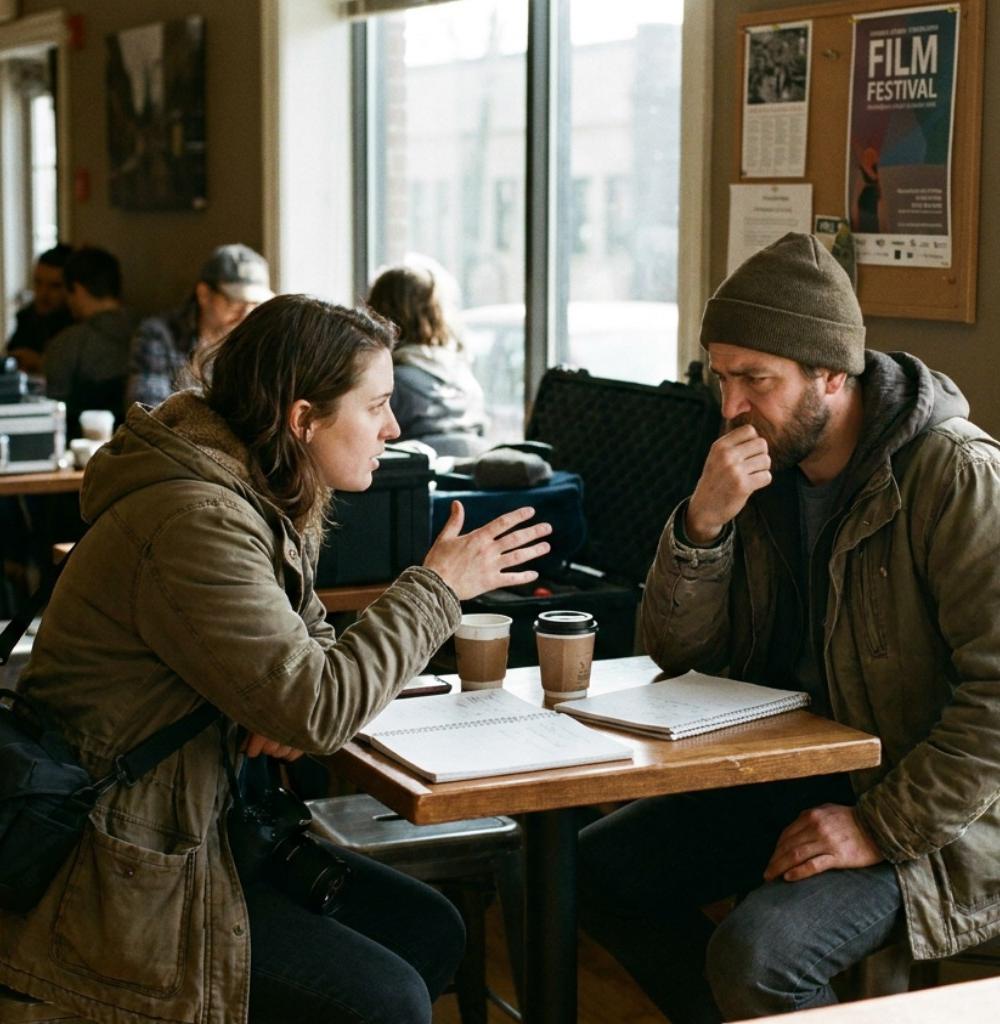
Skip the resume. The real interview is in the answers to these four questions, asked directly, early, and without softening them.
- What did your last collaboration cost you personally? Not professionally. Personally. Sleep, relationships, money, health. Someone who can answer this honestly has done the reflection required to be a real partner. Someone who says "it was totally fine" is either lying or hasn't worked under real pressure yet.
- How do you make decisions when you and I disagree? The process matters more than the outcome. You want someone who can articulate a method, not just say "we'd figure it out." Because on set, you won't have time to figure it out.
- What do you do when the money runs out before the shot list does? This is the real film school question. Their answer tells you their relationship to problem-solving, to ego, and to the work itself.
- What does success look like to you — specifically? Festival glory? A streaming deal? A calling card? Community screening? If their answer and your answer don't rhyme, the collaboration has a built-in expiration date, and you need to know that before you sign anything.
The Complementary Skills Test — and Why Most Filmmakers Fail It
Imagine two directors with identical taste who partner up because they love the same films. They finish each other's references, they agree on tone, they never fight over the cut. Sounds ideal. It's actually a disaster waiting to happen. Nobody is minding the money. Nobody is managing the crew's morale. Nobody is on the phone at 6 a.m. when the location falls through. They're both looking at the same problem from the same angle, which means they share the same blind spots.
The strongest indie partnerships on record — and you can trace this through documentary filmmaking, through the American independent wave of the nineties, through contemporary micro-budget features — have almost always been between people with fundamentally different operating systems. One sees the forest. One counts the trees. One protects the vision. One protects the schedule. Both are necessary. Neither is more important.
Do an honest skills audit before you approach anyone. Write down the ten things your project needs that you are genuinely bad at or genuinely hate doing. That list is your partner's job description. Hire to that list, not to your affinity.
Choosing Your Partner When the Budget Is Micro — The Money Reality
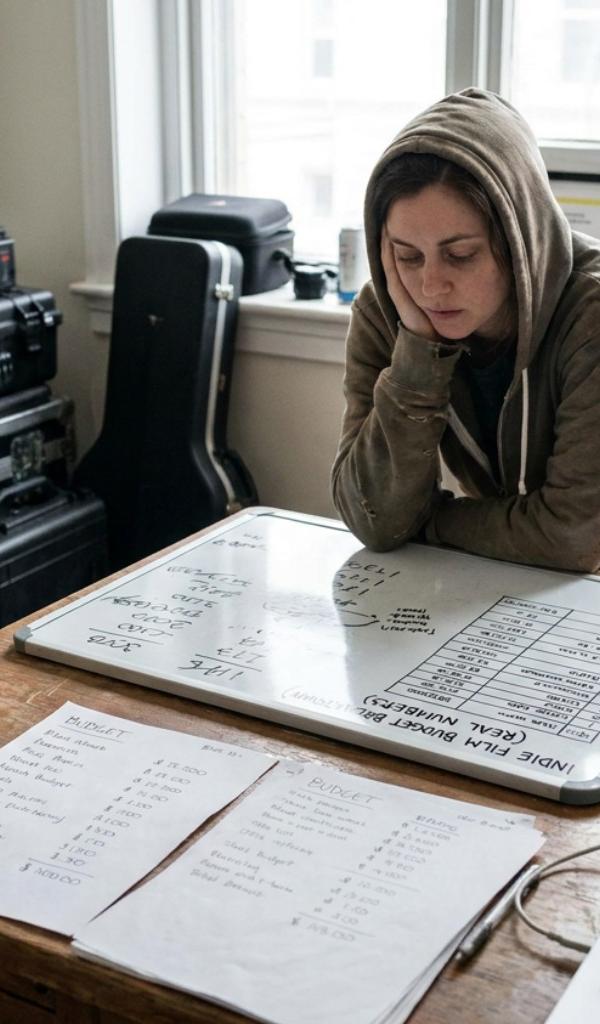
On a micro-budget film — say, anything under $50,000 — the partnership stakes are higher, not lower, because there's no financial cushion to absorb dysfunction. Every day of creative disagreement is a day of deferred shooting, which on a shoestring schedule can mean losing a location, a cast member, or a weather window you'll never get back.
At this budget level, your partner also has to understand the landscape of indie film funding and grants, because chasing that money is often a shared responsibility. If one partner is doing all the grant writing and the other is doing all the creative development, you've already got a resentment timeline. Map the work before the work begins.
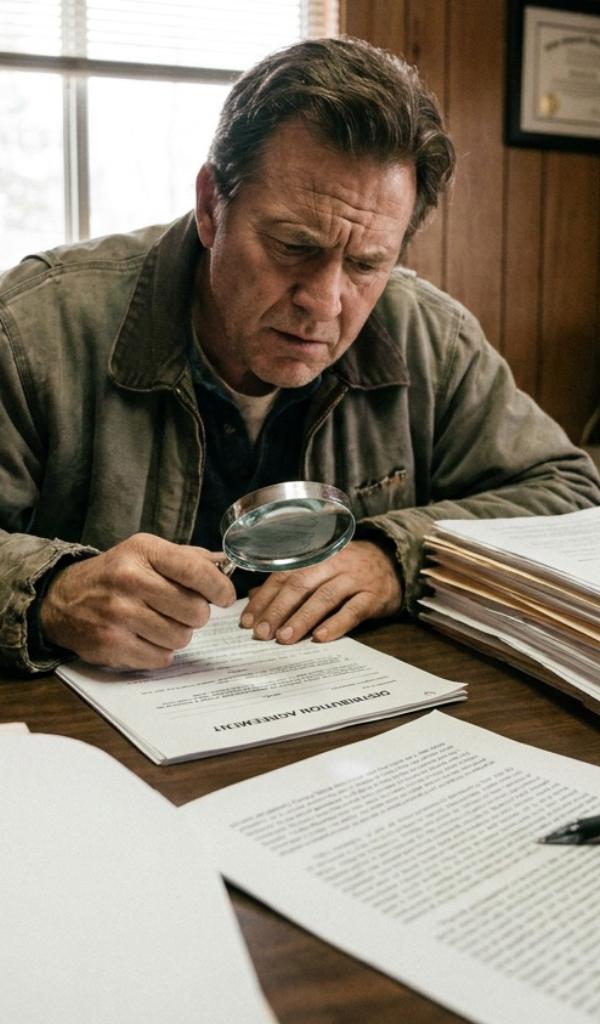
Also: get a collaboration agreement in writing. Not a friendship agreement. Not an email thread. A real document that addresses credit, ownership of the intellectual property, decision-making authority in a deadlock, and what happens if one of you needs to exit. It costs a few hundred dollars to have an entertainment attorney draft a simple one. It costs infinitely more not to have it when things go wrong. This is the single most skipped step in indie filmmaking, and it is the single most catastrophic one.
Common Mistakes Filmmakers Make When Choosing a Partner
The biggest mistake is choosing based on enthusiasm. Enthusiasm is not a skill. Someone who loves your script and can't stop talking about it is a fan. That's wonderful and useless in equal measure. What you need is someone who loves your script and knows how to protect a schedule, manage up to financiers, and keep the crew from quitting on day six.
The second biggest mistake is avoiding conflict as a selection criterion. Filmmakers often choose partners because they've never fought with them. But you've never been under real pressure together. The absence of conflict in low-stakes settings tells you almost nothing. Stress-test the relationship early and intentionally — disagree about something that matters and watch how the person handles it. That's the real audition.
For a deeper look at how pre-production decisions shape your entire shoot, the pre-production resources here cover everything from location scouting to scheduling philosophy. And if you're thinking about how your partnership affects your ability to direct on the day, the directing on set guides are worth your time before you lock your approach.
What a Great Partnership Actually Looks Like in Practice
Here's a practical picture: you're a writer-director. Your partner is a producer with a background in production management. You handle the creative blueprint. They handle the operational architecture. In pre-production, you're never in the same meeting for the same reason — you're covering different ground. On set, they're watching the clock and the budget while you're watching the performance and the frame. In post, you're protecting the cut while they're managing the delivery pipeline.
You disagree roughly twice a week. You have a method for resolving it — whoever has operational authority over that domain gets the deciding vote. Creative decisions belong to you. Logistical decisions belong to them. Anything in the gray zone goes to a ten-minute structured conversation with a hard deadline.
That's not a dream. That's what a functional filmmaking partnership looks like when two people have done the work of defining it ahead of time. It's also learnable. The development and story resources at OnSet cover how to build creative frameworks that hold up when two creative voices are sharing the same project — worth reading even before you choose your partner, because knowing your own creative architecture makes you a better collaborator.
FAQ
Should a co-director also serve as a producer on an indie film?
Only if their skill set genuinely covers both roles — which is rare. Co-directing is a full creative job. Producing is a full operational job. Stacking them on one person usually means one role gets neglected. If budget forces the overlap, define clearly which role takes priority when they conflict, and build that into your written agreement.
How do I know if a potential partner has the right experience level?
Ask them to walk you through a project that failed and what their specific role in that failure was. Experience isn't measured in credits — it's measured in accountability. Someone who can name their own mistakes precisely has the self-awareness to catch them earlier next time. That's the experience you want beside you.
What if I've already started working with someone and it's not going well?
Stop and name it directly, in person, before it calcifies into resentment. Have the conversation you've been avoiding — specifically, not generally. "I feel like decisions are taking too long because we don't have a clear process" is a solvable problem. Letting it fester until the shoot is not. Most partnerships don't fail from incompatibility; they fail from avoided conversations.
Do I need a lawyer to formalize a filmmaking partnership?
Yes. At minimum, have an entertainment attorney review or draft a collaboration agreement covering IP ownership, credit, revenue splits, and exit clauses. Check with your state film office — some offer low-cost legal resources for indie filmmakers. The Volunteer Lawyers for the Arts network is a legitimate starting point in many U.S. regions. Verify their availability directly.
Can a filmmaking partnership work between friends?
Yes — but only if you're willing to put the work relationship in writing and treat each other as collaborators first, friends second, inside the project. The friendship actually raises the stakes, because you have more to lose. The filmmakers who make it work are the ones who are honest enough to have the hard conversation before they ever call action.
Choosing your partner is the first real act of production. Get it right, and every hard day has a second set of hands on it. Get it wrong, and no lens, no location, no cast list will save you. If you're ready to build the infrastructure around a real partnership — budgeting, scheduling, distribution strategy, grant research — FilmmakerGenius is free to start and built specifically for independent filmmakers who are doing this for real.