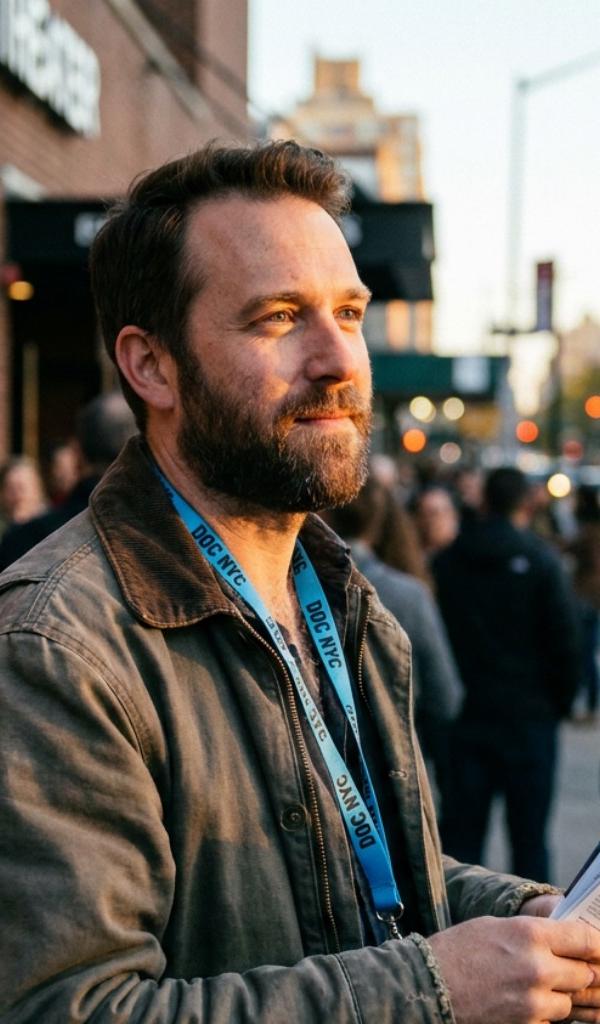
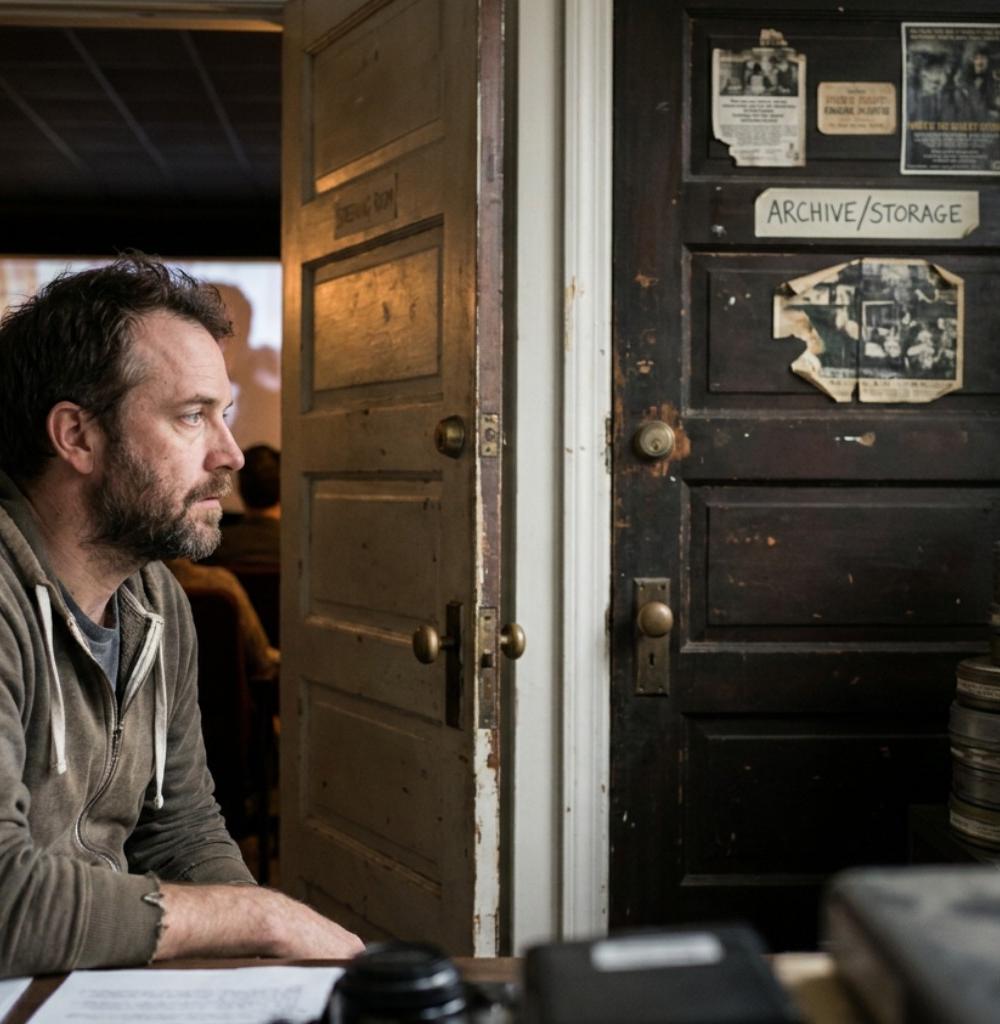
Picture the moment: your film is locked, the color grade is done, the mix sounds like a real movie. You've spent eighteen months and every dollar you could scrape together. Now someone asks, "So what's the plan?" and you realize the plan is basically hope. That gap — between finishing a film and actually releasing it — is where most indie films die. Not in pre-production. Not on set. Right here, at the two doors that decide your film's fate.
The first door is the festival path. The second is direct distribution. Neither one is automatically right. Both can be catastrophically wrong if you walk through without knowing what's on the other side. The decision you make in the next thirty days after picture lock will shape everything — your audience, your revenue, your next film's financing, your reputation in the industry. No pressure.
The film doesn't end when the credits roll. It ends when the right person in the right room finally sees it — and your job is to engineer that moment.
Why "Two Doors That Decide Your Film's Fate" Is the Right Way to Think About Release Strategy
Most filmmakers treat distribution as something that happens to them — a deal that either materializes or doesn't. That's backwards. Distribution is a decision, not a lottery ticket. The two-door framework forces you to commit to a strategy instead of drifting toward whoever emails back first.
Door One — the festival circuit — is fundamentally a marketing and credibility play. A strong festival run at Tribeca, SXSW, Sundance, or their regional equivalents generates press, builds your filmmaker profile, and can attract a sales agent or distributor who might otherwise never watch your screener. The cost is time: a serious festival campaign runs six to eighteen months before your film is widely available to the public.
Door Two — direct distribution, sometimes called "going DIY" — gets your film in front of an audience now. Platforms that aggregate to the major streamers can have your film live within weeks. You keep a higher revenue percentage and you own the data on who's watching. The cost is visibility: without the festival stamp, you're competing against an ocean of content with no editorial boost and no press hook.
Here's the thing nobody says clearly enough: you usually can't do both at full power simultaneously. Most significant festival programs require premiere status — meaning your film can't be streaming or widely available before they screen it. Walk through Door Two first, and Door One closes behind you.
How to Know If Your Film Is Actually a Festival Film
Be honest with yourself here. A festival film isn't just a good film — it's a film that serves what a specific festival needs. Programmers are curating an experience, a conversation, a mood for their audience. They're also managing relationships with press, sponsors, and industry guests.
Ask three questions. Does your film have a strong point of view that lends itself to a Q&A conversation? Is there a story around the making of the film — first-time director, unusual shoot, subject matter with cultural urgency — that journalists will want to write about? And honestly: is the film in the same conversation as what that festival has programmed in the last two or three years?
If the answers are yes, yes, and yes, a festival campaign is worth the investment. If the answers are shrug, maybe, and sort of — you may be about to spend eight months and thousands of dollars in submission fees for a run of regional screenings that feels great but builds no momentum.
The common mistake is submitting everywhere at once without a targeting strategy. Forty submissions at an average of fifty dollars each is two thousand dollars gone with no coherent story to tell. Pick ten festivals that genuinely match your film's DNA, get into two or three of them, and work those wins hard.
What Direct Distribution Actually Looks Like in 2024
Direct distribution has matured dramatically. Aggregator services — companies that handle the technical delivery to streaming platforms on your behalf — have made it possible for an indie filmmaker to be available on major platforms without a traditional distribution deal. You pay a flat fee or a small percentage, and your film goes live.
The platforms themselves range from transactional video-on-demand to subscription services to ad-supported free streaming (AVOD), which has become a serious option for genre films and documentaries with built-in niche audiences. Some filmmakers build a direct audience first through their own website or a platform like Vimeo OTT, selling directly before going wider.
Revenue splits vary wildly — know the numbers before you sign anything. An aggregator's cut, plus the platform's cut, can leave you with thirty cents on a dollar-ninety-nine rental. That math only works if volume is high. For most indie films without marketing spend behind them, volume is the hard part.
The real advantage of Door Two isn't revenue. It's speed and data. You find out immediately whether your audience exists and where they live, which is information you can use to pitch your next film to investors.
The Festival-to-Distribution Pipeline: How the Two Doors Can Work Together
The smartest strategy isn't always choosing one door — it's sequencing them correctly. A strong festival run followed by a disciplined release campaign is still the model that produces the most durable careers for indie filmmakers.
Say you premiere at a mid-tier festival with real industry attendance. You get a review in a publication that distributors read. A sales agent reaches out. They take your film to a market — AFM, Cannes Marché, Berlin's EFM — and license it territory by territory. Eighteen months later, you have a streaming deal, some international sales, and a filmmaker profile that makes your next pitch easier. That pipeline still exists and it still works for the right film.
What's changed is that the middle ground has collapsed. The mid-level theatrical deal that once existed for smart, well-made indie films with no stars has largely evaporated. Distributors are risk-averse. So if a festival run doesn't generate a real offer within a defined window — say, six months after your premiere — you should pivot to Door Two rather than waiting indefinitely. Set a deadline before you start the festival campaign. It keeps hope from becoming inertia.
The Money Conversation Nobody Has Until It's Too Late
Here's where filmmakers get hurt the most. They spend all their budget making the film and arrive at the distribution decision with almost nothing left. A real festival campaign — submission fees, travel, prints and advertising, a publicist — can run anywhere from five thousand to twenty-five thousand dollars depending on your tier of ambition. A direct distribution campaign with any real marketing behind it costs money too.
Build your release strategy budget into your production budget from the start. If your total budget is a hundred thousand dollars, a line item of eight to twelve thousand for release strategy isn't wasteful — it's the cost of your film actually being seen. A film that costs ninety-five thousand to make and five thousand to release has worse odds than a film that costs eighty-five thousand to make and fifteen thousand to release. The filmmaking is the product. The release is the business.
Check the current SAG-AFTRA agreements at sagaftra.org if your film has union talent — the budget tier your film falls into affects what you owe in residuals once you hit certain distribution platforms, and that number can surprise you if you haven't planned for it.
How to Make the Call Right Now
If your film is locked or close to it, work through this in order. First, identify the top five festivals that are a genuine match — not a reach, a genuine match. Submit there. Set a six-month clock. If you get in and generate momentum, work that momentum aggressively and set a second deadline for when you'll accept or walk away from distribution offers. If you don't get in, or if the offers that come don't meet a threshold you've defined in advance, move to Door Two with focus and speed.
The enemy isn't a bad festival run or a rough streaming launch. The enemy is the limbo of doing neither thing fully — half-heartedly submitting, half-heartedly uploading, waiting for something to happen while your film ages and the cultural moment that made it urgent passes.
Your film deserves a decision. Make one. Then work it like your career depends on it, because it does.
If you want a structured framework for building both your festival strategy and your direct release plan — including how to pitch to sales agents and how to sequence your submissions — FilmmakerGenius is free to start and built specifically for indie filmmakers navigating exactly this moment. No fluff, no recycled advice.
FAQ
Keep reading: Film Festivals in New York: A Filmmaker's Guide, Film Distribution Platforms: The Indie Guide, and Deliverables That Kill Distribution Deals (And How to Fix Them).
Can I submit to festivals after my film has been on a streaming platform?
In most cases, no — not to premiere-status festivals. If your film has been publicly available on a streaming platform, the major and mid-tier festivals that require a world, North American, or local premiere will disqualify it. Some smaller community or specialized festivals are exceptions. Read each festival's eligibility rules carefully before you upload anywhere.
How much do film festival submissions actually cost?
Entry fees range from around twenty-five dollars for smaller regional festivals to over one hundred dollars for top-tier events, especially with late deadlines. A targeted campaign of ten to fifteen submissions realistically costs five hundred to fifteen hundred dollars in fees alone, before travel, publicist fees, or any marketing materials. Use submission platforms that aggregate deadlines to manage the logistics efficiently.
What is a sales agent and do I need one?
A sales agent represents your film in licensing deals — selling rights territory by territory to distributors around the world. They typically take fifteen to twenty-five percent of deals they close. If your film has international appeal and you're aiming for theatrical or broadcast distribution in multiple countries, a good sales agent is worth it. For a niche film with a specific domestic audience, you may not need one.
How long does direct distribution take to generate revenue?
Realistically, most indie films with no pre-existing audience see very modest returns in the first six months on streaming platforms — often a few hundred to a couple thousand dollars without active marketing. Revenue builds with reviews, social proof, and algorithmic discovery over time. Direct-to-audience sales via your own channels tend to front-load revenue if you have an engaged following before launch.
Is it worth hiring a film publicist for a festival premiere?
For a premiere at a festival with significant industry and press attendance — yes, a publicist who specializes in that specific festival is often worth the cost, which can run two thousand to six thousand dollars for a focused campaign. For smaller festivals without a press corps, the math is harder to justify. Ask the festival directly which publications typically cover their program before you commit.