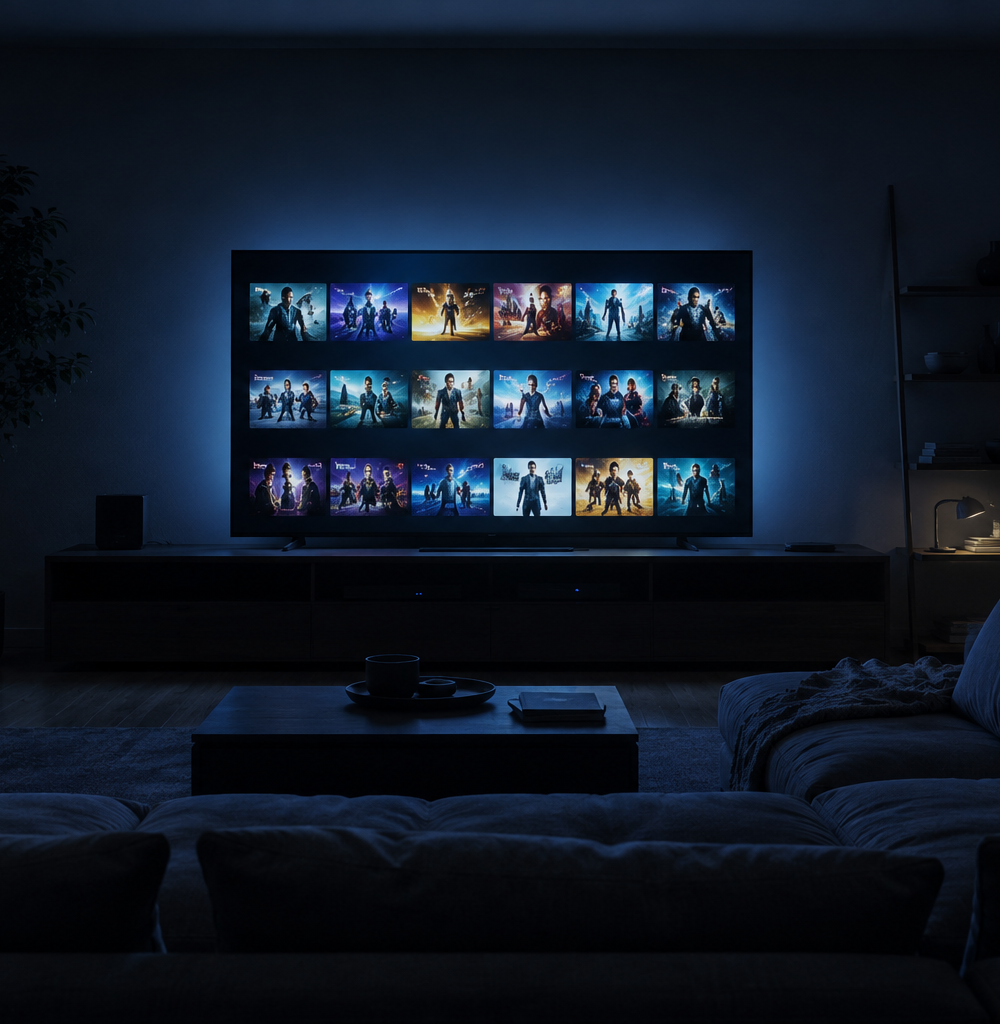
The first distribution offer I ever saw land on a producer's desk came from a company nobody in the room had heard of, for a platform half of us had never streamed anything on. That is the real story of film distribution platforms right now: the deal that pays your rent is almost never the one you were dreaming about in film school. The landscape is bigger, weirder, and more open than most first-time filmmakers realize, and understanding it is the difference between a finished film that sits on a hard drive and one that actually earns.
Film distribution platforms fall into three basic revenue models: TVOD, where viewers rent or buy individually, AVOD, where viewers watch free and you earn a cut of ad revenue, and SVOD, where a subscription service licenses your film or pays based on watch time. Most independent films reach these platforms through an aggregator rather than direct submission, and the strongest releases combine several models in sequence instead of betting everything on one.
What Are the Three Revenue Models, Really?
TVOD (transactional video on demand) is the rental-or-buy model on major digital storefronts. You earn a percentage of each transaction, so this model rewards films with an existing marketing push and a built-in audience ready to pay on release day. AVOD (ad-supported video on demand) is free to the viewer; you get paid based on ad impressions or minutes watched. Platforms like Tubi, Pluto TV, and The Roku Channel run on this model, and it favors volume and long shelf life over a big opening weekend. SVOD (subscription video on demand) is the Netflix-style model, where a service pays a licensing fee or a per-view rate funded by subscriber dues. It is the hardest tier for an unknown indie to enter directly, and most films arrive there through a sales agent rather than a cold submission.
Do You Actually Need an Aggregator?
For almost every independent film, yes. An aggregator is a company approved by the major storefronts to deliver your film with correct technical specs, artwork, and metadata. Firms like FilmHub, Gravitas Ventures, and Freestyle Digital Media exist because platforms will not deal directly with individual filmmakers at scale. When you compare aggregators, look past the pitch and check three things: what percentage or flat fee they take, which platforms they genuinely deliver to versus list on a slide, and how often and clearly they report your earnings. A vague answer on reporting is a warning sign. This is the same due diligence you would run before signing with any distributor, which is worth understanding in more depth if you want to know exactly what a film distributor actually does for your project.
What About the Big Subscription Platforms?
Every filmmaker wants the call from a major subscription service, and it does happen, but rarely the way people imagine. Subscription platforms generally acquire finished films through sales agents after a strong festival run, or they commission projects directly rather than accepting unsolicited submissions. If that route is your goal, festivals and a sales agent relationship matter more than any cold email. We've broken down the realistic mechanics elsewhere, including how filmmakers actually sell a movie to Netflix and the more common paths to getting a film onto Netflix without a major studio behind you.
Should You Sell Directly to Your Audience?
Selling straight from your own site or a creator platform is the most underused option available to independents. You keep the largest share of every dollar, and just as important, you own the customer relationship and the data behind it. This path rewards filmmakers who did the work of building an audience before release, whether that's an email list, a niche fan base, or a community built around the film's subject. A documentary about a specific sport or subculture can often out-earn a wide platform release by selling directly to the people who already care.
The Common Mistake: Picking a Platform Instead of Building a Plan
The mistake that costs filmmakers the most money is treating distribution as a single decision: which one platform will take my film? That is the wrong question. The right question is what sequence of windows will earn the most over the film's whole life. A film that launches direct-to-audience first captures its most eager fans at full margin. Weeks or months later, a transactional window on major storefronts reaches a wider paying audience. After that, ad-supported and subscription platforms extend the film's earning life for years on the long tail, often paying small but steady amounts long after anyone remembers the release date.
Availability is not visibility. Getting onto a platform is the easy part; getting anyone to notice is the job.
How Do Niche and Curated Platforms Fit In?
Beyond the giants, a real ecosystem of smaller, curated platforms serves specific audiences: horror, faith-based film, regional and cultural cinema, documentary-only services, and arthouse curation. Because these platforms are built around a defined taste rather than mass appeal, a film that genuinely fits can find an engaged audience with far less competition than it would face on a general marketplace. If your film has a clear niche, that smaller platform may out-earn a listing buried in a giant catalog. Filmmakers coming out of grant-funded or mission-driven projects, in particular, should look at niche platforms early, since they are often more forgiving of unconventional subject matter than general storefronts. If your project started as a grant-funded documentary, it's worth reading how other filmmakers approach finding and winning film grants before you ever get to the distribution stage, since funding strategy and distribution strategy should be planned together.
How Do You Actually Choose the Right Mix?
Work through four questions honestly. Where does your specific audience already spend time watching things? What is your actual goal for this release: maximum revenue, maximum reach, festival prestige, or building a following for the next film? Do you already have an audience, or do you need a wide platform to provide discovery you don't yet have? And what does your genre support, since some genres thrive on ad-supported volume while others depend on transactional urgency? Your honest answers, not what sounds impressive at a party, should decide your platform mix. For a fuller walkthrough of building that release plan step by step, see our guide on how to distribute your film independently.
Do I need a distributor to get my film onto streaming platforms?
Not always. Aggregators let you self-distribute onto major digital storefronts and ad-supported platforms without a traditional distributor. A distributor becomes more valuable when you want marketing support, a theatrical push, or access to subscription platforms that don't accept direct submissions from individual filmmakers.
How much does it cost to get a film onto VOD platforms?
Costs vary widely by aggregator. Some charge a flat delivery fee per platform, others take a percentage of revenue with no upfront cost, and a few combine both. Always confirm exactly which platforms are included before signing, since the sticker price means little without knowing where your film actually lands.
Can an independent film really succeed on ad-supported platforms alone?
It can, especially for genre films and documentaries with broad appeal. AVOD rarely produces a big single payday, but it can generate steady income for years as part of a diversified release, particularly once transactional demand for the title has naturally slowed down.
Should I release on multiple platforms at the same time or stagger them?
Stagger them. Leading with a direct-to-audience or transactional window captures your highest-margin viewers first. Opening ad-supported and subscription windows later reaches the broader casual audience without cannibalizing the higher-paying release you already had.
Film distribution platforms give independent filmmakers more direct access to audiences than any generation before had, but access is not a strategy. Learn the three models, choose your aggregator with real scrutiny, and sequence your release instead of gambling it all on one platform. When you're ready to build that plan, FilmmakerGenius is free to start and built specifically to help independent filmmakers finance, produce, and distribute their work without guessing at each step.