Every filmmaker I've talked to who has tried to pitch Apple TV+ says the same thing afterward: "I thought I had exactly what they wanted." Then silence. What Apple actually wants from your film is not what their press releases say, not what their acquisitions list implies, and definitely not what a mid-tier consultant told you over Zoom for $400 an hour. It is something more specific, more emotional, and honestly more achievable than most indie filmmakers realize — if you know where to look.
The filmmakers who land Apple aren't the ones who chased the platform. They're the ones who made something undeniable and then aimed it precisely.
The Direct Answer: What Apple TV+ Actually Looks For
Apple TV+ prioritizes cinematic prestige, emotional specificity, and a global story told through a deeply human lens. They want films that feel like a premium theatrical experience — controlled pace, immaculate sound design, and a visual signature — regardless of budget. They are not a volume platform. Every title on Apple TV+ is meant to feel like a recommendation from a very discerning friend.
That's the forty-word version. Here's what it actually means in practice.
Why Apple Is Not Netflix, and Treating It Like Netflix Will Kill Your Pitch
Netflix needs content the way a furnace needs wood — constantly, in bulk. Apple has a subscriber base that already pays for the hardware. They don't need to retain subscribers with sheer volume. This changes everything about what they acquire.
Picture a filmmaker who spent three years cutting a lean, 74-minute documentary about water rights in a small Bolivian community — intimate, beautifully shot, devastating. That film has Apple DNA. Now imagine a different filmmaker who made an 11-episode prestige drama pilot that looked like a BBC coproduction but was structured like a network procedural. Same budget. Apple passed on the drama and picked up the documentary. The logic isn't mysterious: Apple wants a singular experience, not a content category.
Netflix measures engagement in hours watched. Apple measures it in cultural conversation. Those are fundamentally different editorial mandates.
What Apple Actually Wants From Your Film: The Three Real Criteria
Strip away the noise and Apple's acquisition behavior — from Coda to The Biggest Little Farm to their original series — points to three non-negotiable qualities.
- Emotional universality through radical specificity. Not a film "about" grief — a film about a Moroccan woman who hasn't spoken to her son in eleven years, and then the phone rings. The more specific the world, the more universal the feeling. Apple understands this better than any other streamer.
- Cinematic craft that announces itself immediately. The first three minutes of your film must feel like an event. Sound design, color, framing — Apple's acquisitions team watches the open and makes a gut decision. If your first scene looks like a good YouTube video, you are done.
- A story with global empathy built in. Apple operates in over 100 countries. They don't want stories that require cultural footnotes to land. They want a father and a daughter, a dream and a setback, a truth that someone in Seoul and someone in São Paulo can feel at the same moment.
The Biggest Mistake Indie Filmmakers Make When Targeting Apple
They pitch the concept when Apple is buying the execution. This is the villain of the story, and it costs filmmakers real opportunities.
Say you're a filmmaker with a stunning short that screened at Tribeca. You have a feature concept built from that world. You get a meeting. You walk in and pitch the idea — the characters, the themes, the arc. The Apple executive nods. Then nothing.
Here's what actually happened: they wanted to see how you make something, not hear what you plan to make. Apple does not bet on potential the way a studio development deal works. They bet on realized vision. Your best pitch to Apple is a finished film or a proof-of-concept so immaculate it functions as a finished film. This is not a platform for "I have a great idea." It is a platform for "I already made the great thing."
This is why your pre-production process is actually your pitch document. Every decision you lock in before you shoot — location, casting, visual language — is the argument you're making to a future acquisitions conversation.
Sound Design Is the Secret Weapon Apple Responds To
Nobody talks about this enough. Go watch the first ten minutes of any Apple original or acquisition. Then close your eyes and just listen. The sound design is doing as much narrative work as the picture. Apple spends enormous money mixing their originals, and they notice immediately when a submitted film sounds like it was mixed on a laptop in a bedroom.
A $3,000 budget film can still have professional sound if the filmmaker prioritizes it. A $300,000 film with sloppy audio design will get passed over. Rent a proper location with controlled acoustics. Record a room tone for every single setup. Do not skip the ADR session. Hire the best sound mixer you can possibly afford — even at the expense of a fancier camera. Apple can forgive a lot of visual limitations. Bad sound is a conversation ender.
For the technical baseline on capturing production audio and building a sound mix that can survive an acquisitions screening, spend time in our cinematography and production craft coverage — the fundamentals of clean capture apply across every department.
Festival Strategy and What Apple Actually Wants From Your Film's Release Path
Apple does attend festivals. Sundance, TIFF, Berlin, and Tribeca are all on their radar. But the myth that you simply need a Sundance premiere and an Apple deal falls into your lap is exactly that — a myth. What the festival does is create context. It signals that other serious cinematic eyes have already validated the work.
The practical move: target festivals with strong acquisitions track records rather than simply the most prestigious names. A world premiere at a well-programmed regional festival, followed by a TIFF or Sundance Industry screening, can create the same momentum as a splashy main slate premiere — without the risk of losing the premiere designation at a bigger fest if you're rejected. Think of your festival strategy as a campaign, not a lottery ticket.
Apple acquisitions executives also read trades, follow programmer taste, and pay attention to word-of-mouth before a film even screens publicly. A short that went viral in the right circles. A documentary that two trusted programmers mentioned in the same week. Build those relationships with programmers and festival directors — they are the warm handshake that precedes a cold acquisition call.
The Financing Reality: How to Build a Film Apple Can Actually Say Yes To
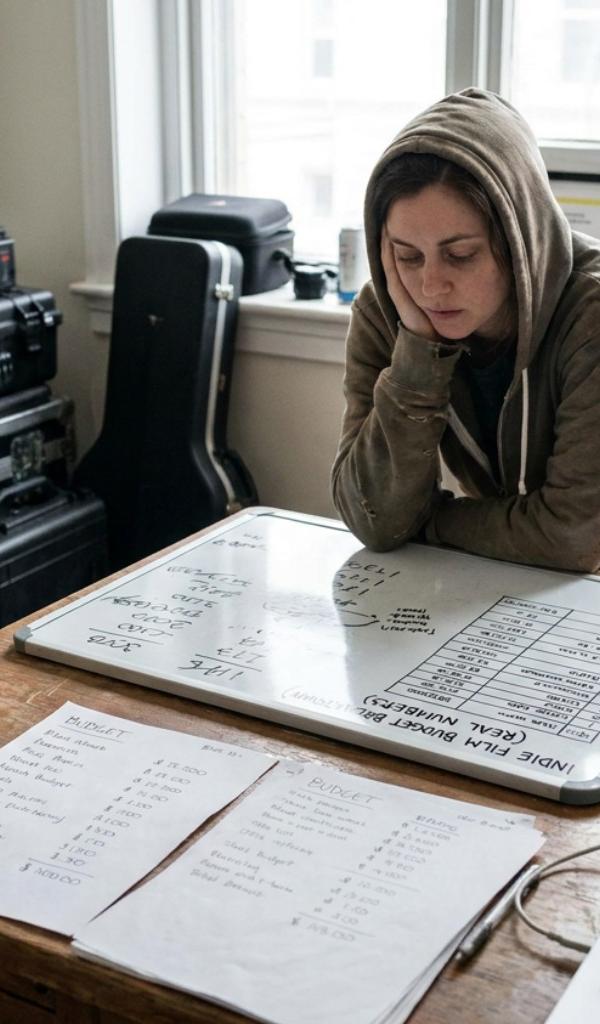
Apple is not your first-dollar investor on an indie film. They are an acquirer. This means you need to get the film made first, which means understanding every available funding and grants pathway before you ever think about an Apple pitch.
State film commissions, international coproduction treaties, impact investors, fiscal sponsorship through a nonprofit — these are the unglamorous scaffolding that makes the glamorous Apple conversation possible. A film with foreign presales already attached is a much easier acquisition conversation than a film with nothing but a distributor-less premiere.
The filmmakers who land Apple deals didn't get lucky. They built a financial structure around the film that proved other serious people believed in it first. That's the part no one posts about on social media.
Frequently Asked Questions
Does Apple TV+ accept unsolicited submissions from independent filmmakers?
Not through an open portal. Apple acquisitions happen through agents, entertainment attorneys, established production companies, and festival relationships. If you don't have representation, your most direct path is a strong festival premiere that gets their acquisitions team in the room. Build industry relationships before you need them — not after your film is done.
What length and format does Apple prefer for independent acquisitions?
There is no single answer, but their documentary acquisitions tend to run 80 to 110 minutes — long enough to feel substantial, short enough to feel disciplined. Feature narratives vary more widely. What they consistently reject is a film that feels padded. Every scene must earn its runtime. If you can tell it in 82 minutes, don't stretch it to 104.
Do Apple acquisitions executives actually watch full cuts at festivals?
The ones with serious acquisition intent do. They also read programming notes, talk to other acquisitions buyers in the hallway, and make a first-pass judgment from a trailer and a synopsis before committing to a screening slot. Your one-sheet and your trailer are doing work before any human being sits down to watch your film. Treat both with the same seriousness you give the cut itself.
How does Apple decide between acquiring a film versus producing an original?
Acquisitions tend to happen when a finished film already demonstrates something Apple couldn't have predicted in development — a specific cultural moment, a breakout performance, a visual approach they hadn't commissioned. Originals give Apple control. Acquisitions give them surprise. Both serve the brand, but for an indie filmmaker, acquisition is the more realistic entry point.
What's the single most common reason Apple passes on an indie film?
Execution that doesn't match ambition. The story is compelling on paper, the filmmaker is talented, but something in the craft — pacing, sound, color, performance consistency — signals that the film wasn't fully realized. Apple is buying the experience of watching it, not the idea behind it. Finish the film to the highest possible standard before any acquisitions conversation begins.
Start Building the Film Apple Can't Ignore
You don't need a bigger budget. You don't need a famous name attached. You need a film that announces its point of view in the first three minutes, sounds like it was mixed by someone who gives a damn, and tells a human story with enough specificity that it becomes universal. That's achievable. And it starts long before the camera rolls — it starts in the decisions you make about how to structure, fund, and position the work.
If you want a structured system for making those decisions intelligently — from concept through the acquisitions conversation — FilmmakerGenius is free to start and built specifically for independent filmmakers who are serious about getting their work seen at the highest level.
Make the undeniable thing. Then aim it precisely. That's what Apple is waiting for.