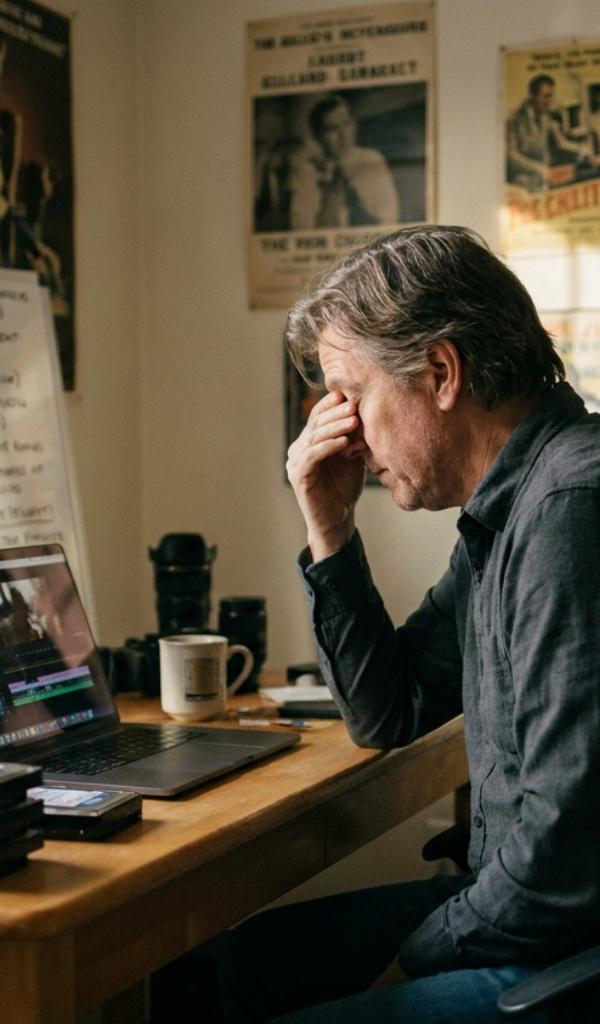

I once sat with a director three weeks after her film's festival premiere while she stared at an inbox with no offers in it. The reviews were good. The audience loved it. Nobody was buying. That gap between "people love this movie" and "someone is paying me for this movie" is exactly where most filmmakers learn, the hard way, that how to distribute your film independently is not a bonus chapter after production. It's a separate craft, and it has to start long before your last shooting day.
Distributing independently means you, not a studio, decide the release strategy: which festivals to target, whether to use an aggregator for VOD platforms, when to sell direct to your audience, and how to sequence all three. It takes more legwork than handing the film to one company, but it keeps you in control of the money, the timeline, and the relationship with your audience.
Why Decide Your Strategy Before You Chase Any Platform?
Before you contact a single aggregator or festival, define what winning looks like for this specific film. Are you trying to recoup your budget, build an audience for the next project, qualify for an awards run, or simply get the work seen by the people it was made for? Each goal points to a different route. A festival-driven prestige play looks nothing like a genre film built for a fast on-demand rental push. If your production leaned on grants or other early funding, that same audience-first thinking should have started at the application stage, since many funders expect a distribution plan as part of your original pitch. The filmmakers who distribute well are usually the ones who thought about their audience and their exit while they were still writing the script, not after the final cut was locked.
Is the Festival Circuit Still Worth It?
Festivals remain a genuine launchpad, especially for narrative features and documentaries seeking press and credibility. A strong festival run can attract sales agents and generate reviews that follow the film for years. Be strategic rather than exhaustive: apply to a mix of top-tier festivals and well-regarded regional ones that actually fit your genre, budget for entry fees and travel like a real line item, and treat every screening as a working meeting, not just a screening. Most films do not sell directly out of a festival. Treat the circuit as one tool for exposure and validation, not a guaranteed payday, and you won't be blindsided when the offers don't pour in by Monday morning.
How Do VOD Aggregators Actually Work?
Video-on-demand is the backbone of modern independent distribution, and most filmmakers reach it through an aggregator, a company approved to deliver films to platforms like the major digital storefronts and ad-supported streamers. Aggregators such as FilmHub, Gravitas Ventures, and Freestyle Digital Media handle the technical delivery specs, metadata, and platform relationships that individuals can't access directly. Before you sign with one, read the terms closely: what fees or revenue percentage they take, which platforms they truly deliver to versus advertise, and how transparent their reporting is. Transactional VOD, ad-supported VOD, and subscription VOD each pay differently, and a smart plan sequences them, rentals first, then ad-supported and subscription windows later, to stretch total earnings across years instead of one release week. For a deeper breakdown of how those platform categories differ, our indie guide to film distribution platforms walks through each model in detail. Some filmmakers dream bigger and wonder specifically how to sell your movie to Netflix outright, but that route runs through sales agents and festival buzz far more often than a standard aggregator submission, and it helps to understand how to get your movie on Netflix through its acquisitions team before you count on it as your primary plan.
Should You Sell Directly to Your Audience?
The most empowering shift for independents is the ability to sell straight to viewers, through your own site or a creator platform, keeping the largest share of every dollar and owning the customer relationship and data. This path rewards filmmakers who've built an audience already: an email list, a devoted social following, or a community tied to the film's subject matter. If people already follow your work, a direct launch can outperform a wide platform release in actual take-home profit. Bundle the film with behind-the-scenes extras, a director commentary, or community access to raise its value beyond a single rental fee.
The films that earn well are almost never the ones with the biggest budgets. They're the ones with the most deliberate audience-building.
What's the Biggest Mistake Filmmakers Make Here?
The most common and costly mistake is confusing availability with visibility. Filmmakers spend months finishing a film and then treat the platform listing itself as the marketing plan. It isn't. Uploading a file onto a storefront changes nothing if nobody knows it's there. Start building awareness months before release: grow an email list and social following around the film's themes, cut a trailer and key art strong enough to earn a click on a crowded page, line up press and niche communities who care about your subject, and collect early reviews or festival laurels to build credibility before launch day. The second most common mistake is signing with any distributor or aggregator without understanding exactly what they do and don't do for you, which is worth reading up on before you sign anything, since understanding what a film distributor actually does will change which offers you take.
Can You Combine Multiple Distribution Windows?
You don't have to choose one path. The most effective independent releases sequence several: a festival run for credibility, a direct-to-audience launch to reward core fans at the best margins, then transactional VOD, and finally ad-supported and subscription platforms for the long tail. Each window reaches a different viewer and extends the film's earning life for years rather than concentrating everything into one release week that's easy to miss.
What Legal Groundwork Do You Need Before You Distribute?
Before you distribute anywhere, your paperwork needs to be clean. Secure your music licenses, clear your footage and locations, and confirm you actually own or control every element in the film. Platforms and any eventual distributor will ask for chain-of-title documentation and often errors-and-omissions insurance, and a single unclear rights issue can pull a finished film from a platform after it's already live. Keep organized records of every contract, release form, and license from day one of production, not the week before delivery.
Do I need a sales agent to distribute independently?
Not necessarily. A sales agent is most useful if you're pursuing festival sales or a subscription platform deal, since they have existing buyer relationships. If you're building a VOD and direct-to-audience release, you can often handle the process yourself with an aggregator instead.
How long should I expect self-distribution to take?
Plan on months, not weeks. Building pre-release awareness, securing festival placements, negotiating an aggregator agreement, and sequencing your release windows realistically takes three to six months of deliberate work before and after the film is finished.
Is self-distribution actually more profitable than signing with a distributor?
It can be, since you keep a larger percentage of each sale and avoid an upfront rights buyout that pays you less over time. It also requires you to do the marketing work a distributor would otherwise handle, so the higher margin comes with real hours attached.
What if my film doesn't get into any festivals?
A festival run helps but isn't required. Plenty of successful independent releases skip festivals entirely and go straight to a direct-to-audience launch followed by VOD, especially for genre films and documentaries with a built-in niche audience.
Distributing your film independently is more work than handing it to a single company, but it hands you control, transparency, and a far larger share of the upside. Plan early, market relentlessly, and treat every window as part of one long strategy instead of a single bet. If you want tools and templates built specifically for this process, FilmmakerGenius is free to start and worth exploring before your next release.