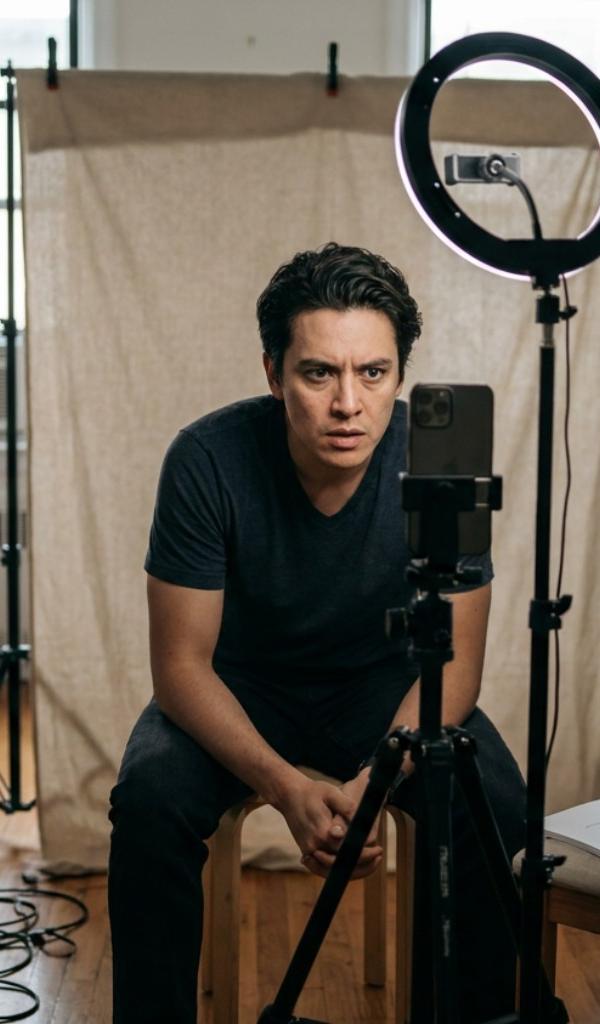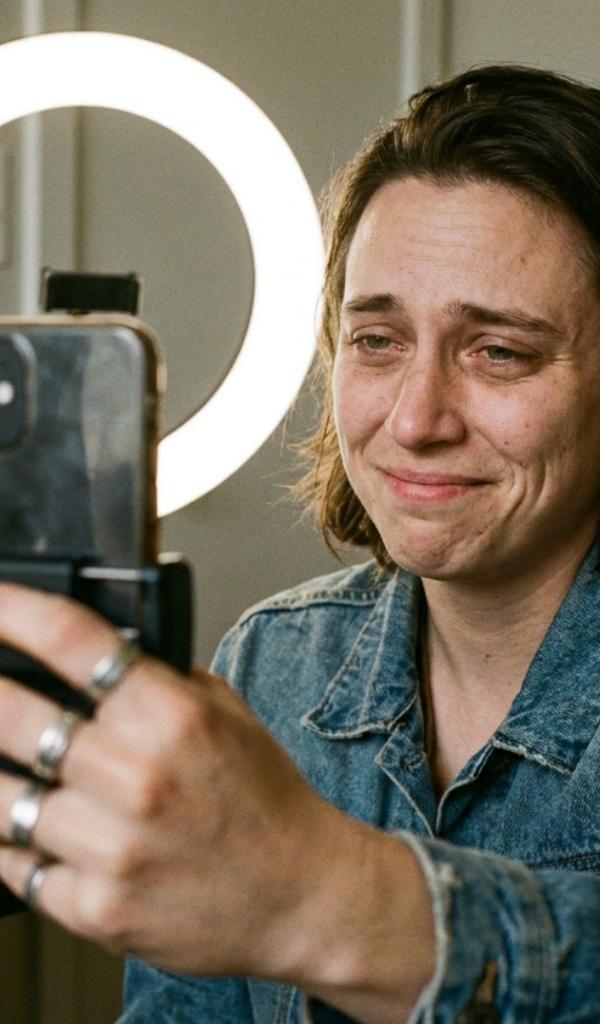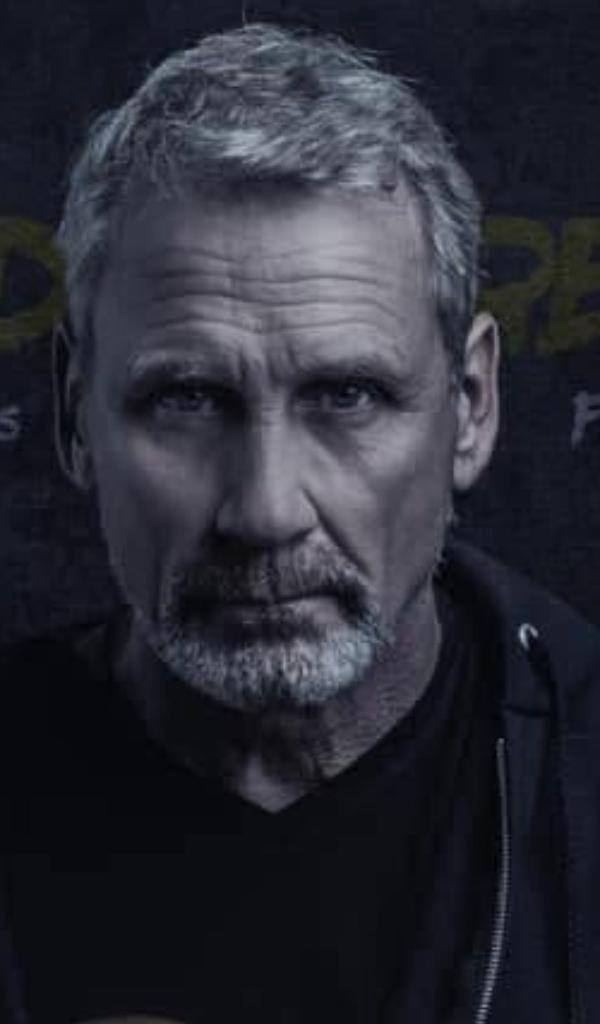
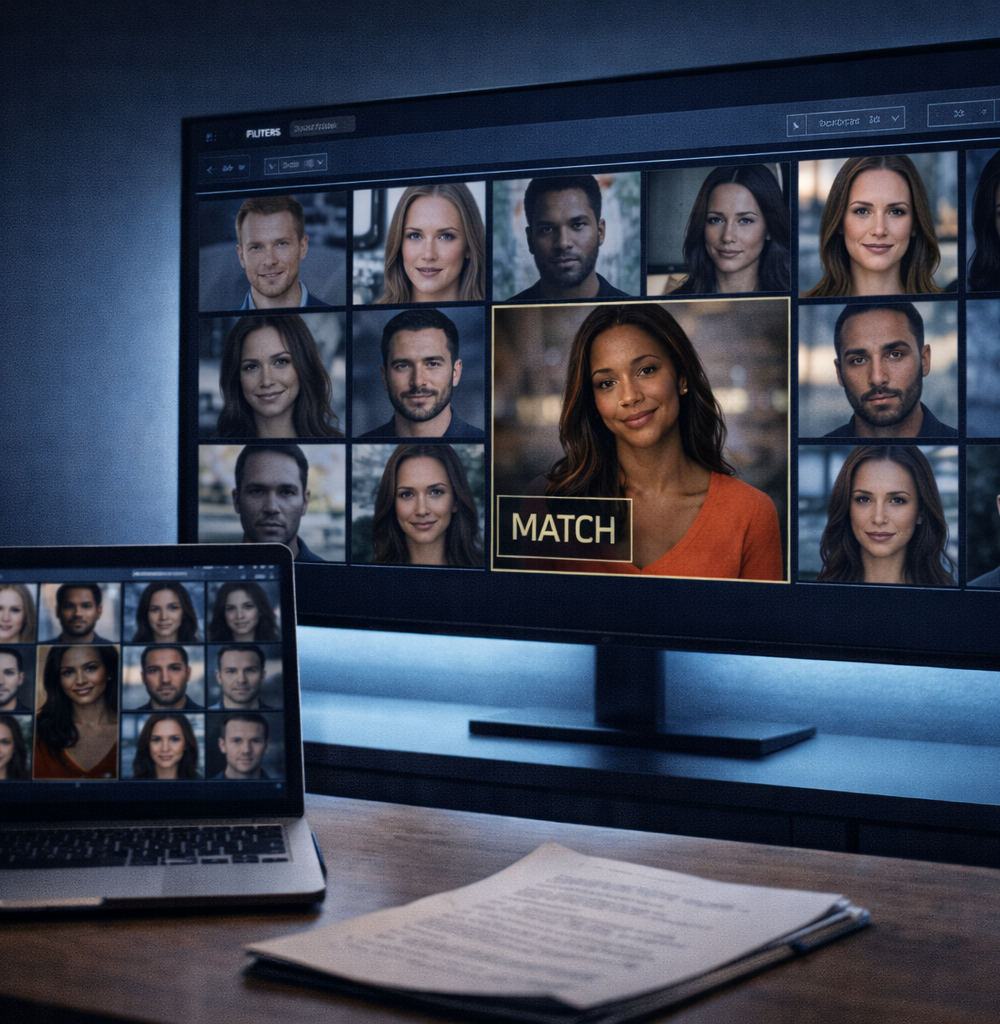
Casting directors spend roughly two seconds looking at your submission before they decide whether you're worth a second look, and in that window they're not reading your résumé — they're reading your face. Your acting headshots are the single most important marketing tool in your career, full stop. A great one gets you in the room. A weak one keeps you out of it, no matter how talented you actually are.
Great acting headshots look exactly like you on a normal day, in sharp focus, with genuine expression in your eyes rather than a frozen smile. Most actors need two to four looks — commercial, theatrical, and any specific type you consistently read for — shot by a photographer who specializes in actor headshots and updates them every two to three years.
What Are Casting Directors Actually Looking For?
The number one rule of acting headshots: they need to look exactly like you on your best ordinary day. Casting isn't impressed by a glamorous, heavily retouched image that walks into the room as a slightly different person — that mismatch wastes everyone's time and quietly burns your credibility with the casting director. A strong headshot is authentic, current, and reflects your real castable type. The goal isn't to be the most beautiful person in the pile. It's to be unmistakably, castably you.
What Makes a Headshot Technically Work?
Whether it's shot in a studio or with natural light, an effective headshot shares the same fundamentals every time.
- Eyes that connect. The eyes carry the shot — sharp, alive, and full of thought, drawing the viewer in rather than staring blankly at the lens.
- You in clear focus. Sharp on your face, with a background that doesn't compete for attention.
- Flattering, intentional lighting. Even and natural-looking, whether it comes from a studio setup or the right window light.
- A genuine expression. A real thought or subtle emotion behind the eyes, not a frozen, generic smile.
- Wardrobe that supports your type. Solid colors, simple lines, nothing that dates the shot or distracts from your face.
How Many Looks Do You Actually Need?
Most actors need two to four distinct looks, each aimed at the kind of roles they actually book. A commercial look is warm, approachable, bright — the friendly, relatable version of you. A theatrical or dramatic look is grounded and neutral, suited to film and TV auditions, and is often what an agent wants first if you're working through our guide on how to get a talent agent. If you consistently read for a niche — professional, edgy, wholesome — a look that leans into it can help too. Don't over-collect looks; a few sharp, on-type images beat a dozen scattered ones that leave casting unsure who you actually are.
Studio or Natural Light — Does It Matter?
Actors debate studio versus natural-light headshots constantly, but honestly, both can be excellent. Studio lighting offers control and consistency; natural light can feel warmer and more modern. What matters far more than the method is the photographer's skill, their specific experience shooting actors, and whether the final image looks like you in a real moment rather than a posed one. Choose the shooter whose work books actors, not the one with the most equipment in their studio.
How Do You Choose a Photographer?
Your photographer makes or breaks the session. Before you book, review their portfolio specifically for actor headshots, not weddings or corporate work — the skill set is genuinely different. Check that their past subjects look like real people, not over-retouched mannequins. Ask working actors in your market who shot their current headshots. And confirm exactly what the package includes: number of looks, amount of retouching, and usage rights on the final images.
A skilled headshot photographer isn't just operating a camera — they're directing you, pulling out the exact expression that gets you in the room.
Common Mistakes That Waste a Headshot Session
The most expensive mistake is showing up under-slept, dehydrated, or with irritated skin and hoping retouching will fix it — it won't, not without making you look like someone else. A close second is over-retouching after the fact, smoothing away the texture and specificity that made the shot look like a real person. And plenty of actors bring one safe outfit instead of a few solid-color options across their actual types, which limits how many usable looks come out of a single session.
When Should You Update Your Headshots?
A headshot has a shelf life. If your appearance changes meaningfully — through age, weight, hair, or overall style — or the shots are more than two or three years old, it's time to update. Showing up to an audition looking noticeably different from your headshot frustrates casting and can cost you the room before you say a word. Treat your headshots as a living tool you refresh as your look and your career evolve, the same way you'd keep your self-tape setup current instead of letting it go stale.
Frequently Asked Questions
How much should acting headshots cost?
Rates vary widely by market and photographer experience, but a professional actor headshot session commonly runs from a few hundred dollars up to around a thousand for an established photographer in a major market, usually including one or two looks and a set number of retouched images. Treat it as a career investment, not an expense to minimize.
Do I need separate headshots for theatrical and commercial work?
Most actors eventually do. Commercial casting wants warm, bright, approachable energy, while theatrical casting — the kind relevant if you're chasing roles through platforms covered in our guide to finding acting auditions — wants something more grounded and neutral. You can often get both in one session if you communicate the split clearly with your photographer beforehand.
Can I use phone photos as real headshots?
Not for submissions, no. Phone cameras can produce a decent selfie for your Instagram, but they can't match the lighting control, lens quality, and directed expression of a professional session, and casting directors can tell instantly. It's one of the few costs in an acting career that isn't optional.
How often should I update my headshots?
Every two to three years is a reasonable default, sooner if your look changes in any noticeable way. If you booked a commercial off your current headshots but you look meaningfully different walking into the audition room now, that gap is actively costing you bookings.
Invest in acting headshots that look like you, capture real life behind your eyes, and target the roles you actually book — that single image is working for you every time a casting director scrolls past your face. Pair it with steady reps in front of the camera through a tool like GotAuditions, which is free to start, and your headshot stops being a static photo and becomes part of an actual booking system.