My first year in this business, I checked one website. That was the entire system. I'd log into Actors Access every few days, submit for whatever looked interesting, and wonder why my inbox stayed quiet. It took a working actor friend showing me her actual routine, four platforms, two Facebook groups, a standing weekly check-in with her scene partner, for me to understand that learning how to find acting auditions isn't about discovering one secret site. It's about building a system and running it every day.
Unrepresented actors today have more access to real auditions than at any point before self-submission platforms existed. The system is simple: build complete profiles on the major casting sites, submit only for roles you genuinely fit, stay visible in the social spaces where indie and student work gets posted, and treat the search itself as a daily habit rather than something you do when you remember.
Start With the Platforms Where Casting Actually Happens
Nearly every legitimate audition in the US flows through a small number of sites. Actors Access is the most widely used self-submission platform, and a large share of its roles are open to direct submission without an agent. Casting Networks leans heavier into commercial and print work and is standard in many regional markets. Backstage covers indie film, theater, student projects, and non-union work particularly well. Beyond the big three, search for regional boards specific to your city, since a lot of local production never crosses onto the national sites at all. A complete profile with current headshots, a real resume, and a self-tape clip gets you seen. A half-finished one gets scrolled past.
Submitting Well Matters as Much as Finding the Post
Finding the breakdown is only step one. Read the whole notice before you submit, not just the role name, and check age range, type, union status, and shoot dates against your actual availability. Submit only when you genuinely fit, because casting directors remember the actors who submit for everything regardless of fit, and not fondly. Choose the headshot that matches the role's tone, keep any note brief and professional, and submit early in the window rather than at the deadline, when the inbox is already flooded.
Social Media Casting Groups Move Faster Than the Big Sites
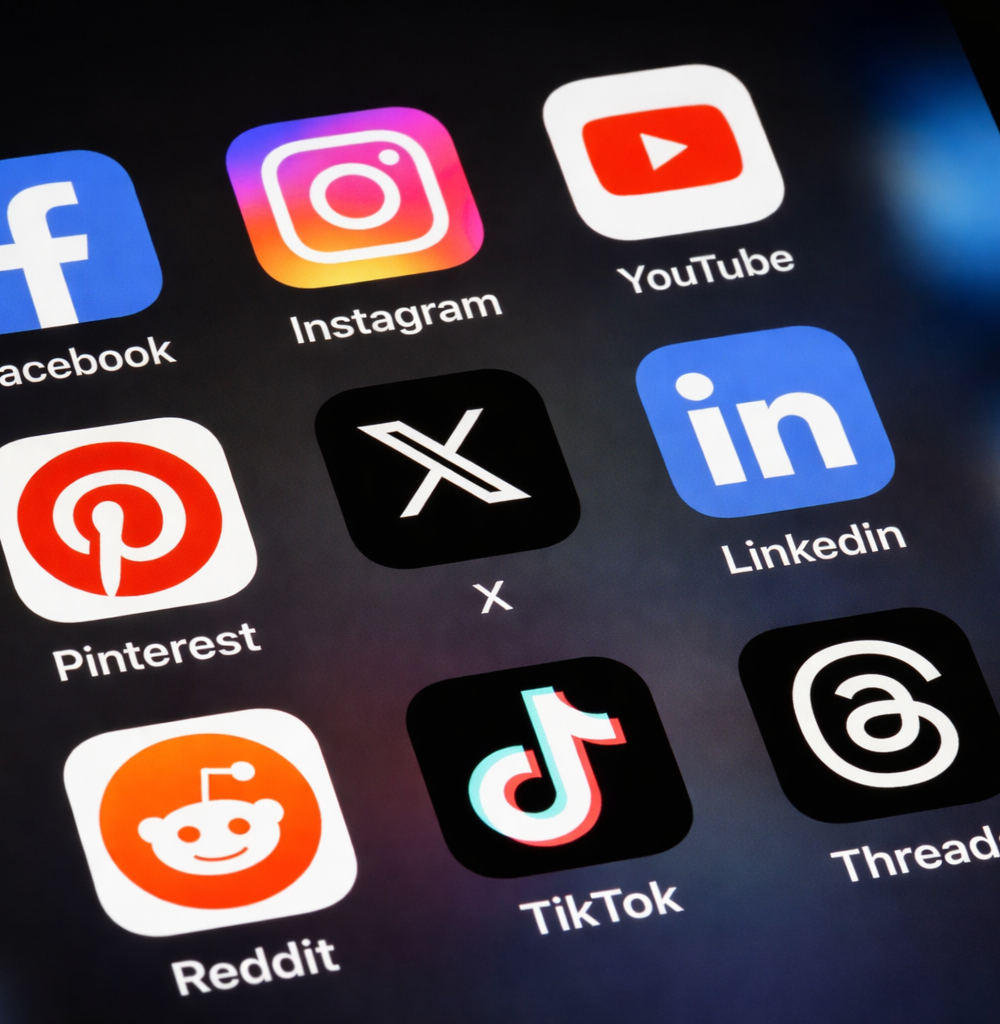
A growing share of indie, student, and non-union work gets posted on social media before it ever reaches a major platform. Facebook casting groups organized by city are often the fastest way to hear about local shoots. Instagram is where a lot of indie directors and casting directors post open calls directly and respond to tagged reels. Reddit and Discord communities built around low-budget filmmaking are worth a look too, especially if you're building reel footage early in your career. Following local casting directors, production companies, and film school accounts means their notices land in your feed the moment they're posted, not three days later.
Your Network Produces Auditions the Listings Never Will
A lot of real auditions never get posted publicly at all. They come from a director you did a student film for two years ago, a classmate who mentions you to a casting assistant, or a workshop where a casting director actually remembers your name. Take classes where your teachers and scene partners refer each other for work. Do community and indie theater. Stay in touch with directors after a shoot wraps instead of disappearing until you need something. The wider your real relationships, the more auditions arrive by word of mouth before a breakdown is ever written.
Widen the Net Beyond Film and TV
If you're only searching for scripted screen roles, you're skipping most of the available work. Commercials, voiceover, industrials and corporate video, theater, web series, and background work all have their own listings and casting rhythms. Each one builds different credits, different skills, and a different income stream, and booking a commercial can pay more than a week of background work combined. Casting a wider net doesn't dilute your career, it multiplies your chances of being in a room.
The Scam Traps That Waste Time and Money
The bigger your search, the more fake listings you'll encounter. Legitimate auditions never charge a fee to be seen, never require you to buy a class or a "training package" to be considered, and never route communication exclusively through a personal messaging app. Vague listings with no production company, no shoot dates, and a guarantee of a role are a hard pass. This is the single most common mistake I see new actors make, chasing a listing that feels exciting instead of checking whether it's real first. Stick to reputable platforms and verify anyone contacting you directly before sending headshots or personal information.
The actors who audition constantly aren't the luckiest people in the industry. They're the ones who built a system and run it every single day.
Build the Daily Habit That Actually Moves the Needle
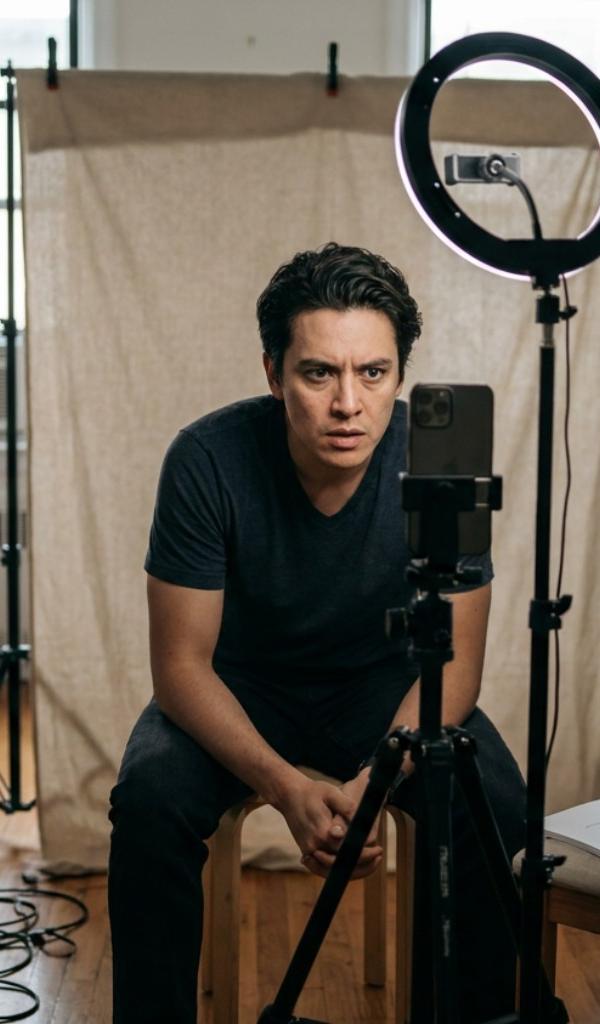
Consistency beats talent for hunting auditions, full stop. Set aside real time each day, even twenty minutes, to check your platforms, scan your casting groups, and submit for everything you genuinely fit. Keep a simple log of what you've submitted to so you're not duplicating effort or missing a callback because you forgot you applied. Once you land something, having a fast, clean self-tape process ready to go means you're never scrambling when a same-day request comes in.
Frequently Asked Questions
Do I need an agent to find real auditions?
No. Self-submission platforms like Actors Access and Backstage put a large volume of legitimate, agent-free auditions directly in front of unrepresented actors. An agent adds access to certain rooms, but plenty of working actors book steadily through self-submission alone, especially early on.
How many auditions should I be submitting to per week?
There's no fixed number, but treating the search like a part-time job, checking daily rather than weekly, is what separates actors with a full audition calendar from actors wondering where the work went. Quality of fit matters more than raw volume.
Which casting site should I start with if I can only pick one?
Actors Access, since it has the broadest reach for self-submissions in most US markets. Add Backstage quickly after if you're pursuing indie film, theater, or student work, since its listings skew that direction.
How do I know if a casting call is a scam?
Any request for payment to audition, a mandatory paid class to be "considered," vague production details, or communication only through personal social messaging is a red flag. Real productions don't charge talent to be seen.
What if I live outside a major market like LA or New York?
Regional and local boards, Facebook casting groups for your city, and student film postings become more important the further you are from a major hub. Self-tape submissions also mean plenty of national roles are open to you regardless of location.
Turn the System Into Bookings
Knowing how to find acting auditions comes down to the same four moves every time: use the right platforms, submit with real intention, stay visible where casting actually happens, and do it daily instead of sporadically. Once you've built the habit of finding auditions, the next skill worth sharpening is what you do once you land in the room, or in front of the camera, so it's worth reading our guide on open casting calls and how to actually get representation once the bookings start adding up. When you're ready to put yourself on tape fast, GotAuditions is free to start and gives you an AI scene partner built for exactly this at gotauditions.com.