Here is the belief that is quietly eating your career: First I get the agent. Then the agent gets me the auditions. Then I book. It feels like the correct order of things — logical, professional, patient. And it describes a world that stopped existing. No one is coming to discover you. That sentence is not discouraging. It is the most liberating thing you will hear this year, because it means the waiting is optional.
The casting pipeline is not locked behind agents anymore. A massive slice of real, paying work — indie features, short films, student films, commercials, new media projects, regional productions — is posted publicly, right now, on platforms any actor can join today. Casting directors are reading self-tapes from actors they have never heard of, with no agent, no referral, no industry credit to their name. The self-tape era did not just change how auditions work. It blew the door off the room entirely. The room is now your living room. The submission is now a click.
So the only real question is: why aren't you already clicking?
Why "Get an Agent First" Is the Slowest Road in the Business
An agent is not a magic key. An agent is an amplifier. And amplifiers need a signal to amplify.
If you have no tapes, no credits, no track record — if there is no evidence you can deliver on camera — there is nothing for an agent to work with. You are asking someone to represent a blank page. Cold-querying agents when you have nothing to show is not a strategy. It is a waiting room with no door out.
The fast road runs the other way. You go where the door is already open — the public casting platforms anyone can access — and you start generating the exact thing an agent is looking for: a body of work, a stack of tapes, a handful of credits. Proof that you show up and you are good on camera. You build the signal first. Then the amplifier comes looking for you, because agents do not want potential. They want evidence.
That is not a motivational reframe. It is a mechanical one. The actors who broke through from nowhere — the regional actor who landed a streaming role, the unknown who booked a national commercial — almost never got there because an agent plucked them from obscurity. They were already in motion. Submitting, taping, accumulating. Somewhere in that motion, they generated enough evidence that the industry started coming to them.
The Mindset Shift That Changes Everything
Here is the whole argument in one sentence, and if you carry nothing else out of this article, carry this:
Stop auditioning to get an agent, and start auditioning to book work — then let the agent be a side effect of the work.
Think about what that changes at the emotional level. When you are auditioning to impress some future representative, every rejection lands like a verdict. Like the industry is ruling on whether you are allowed to have a career at all. That is crushing, and it makes you tentative on tape.
But when you are auditioning to book real jobs on real platforms, a pass is just one submission out of the fifty you are sending this month. It stops being a verdict. It becomes volume. And volume is a game you can actually win, because it does not depend on a single gatekeeper's opinion. It depends on your consistency — something that is available to every actor regardless of where they live, who they know, or what their résumé currently says.
No One Is Coming to Discover You — But Here's What That Actually Frees You to Do
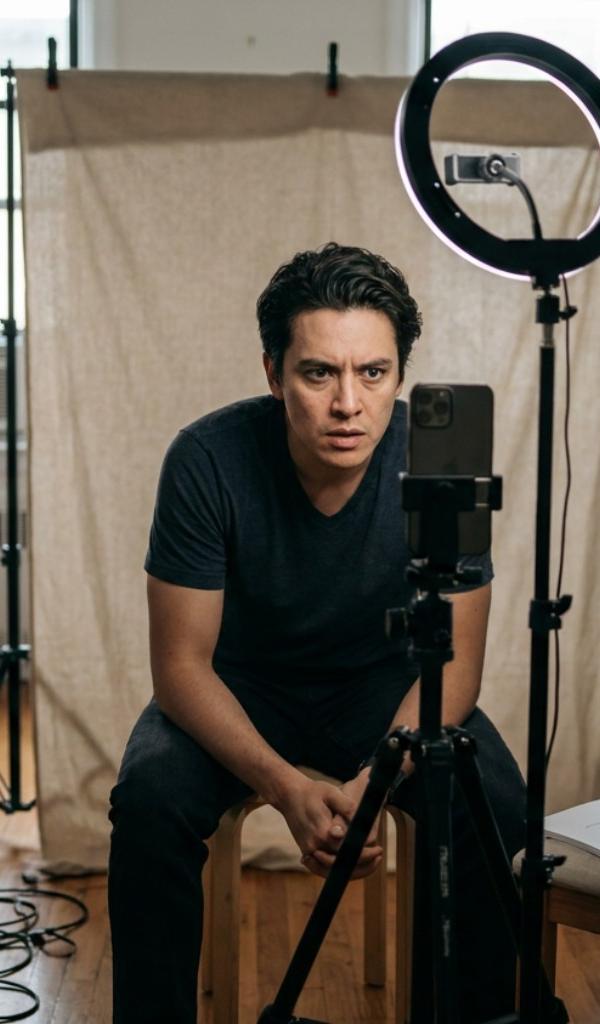
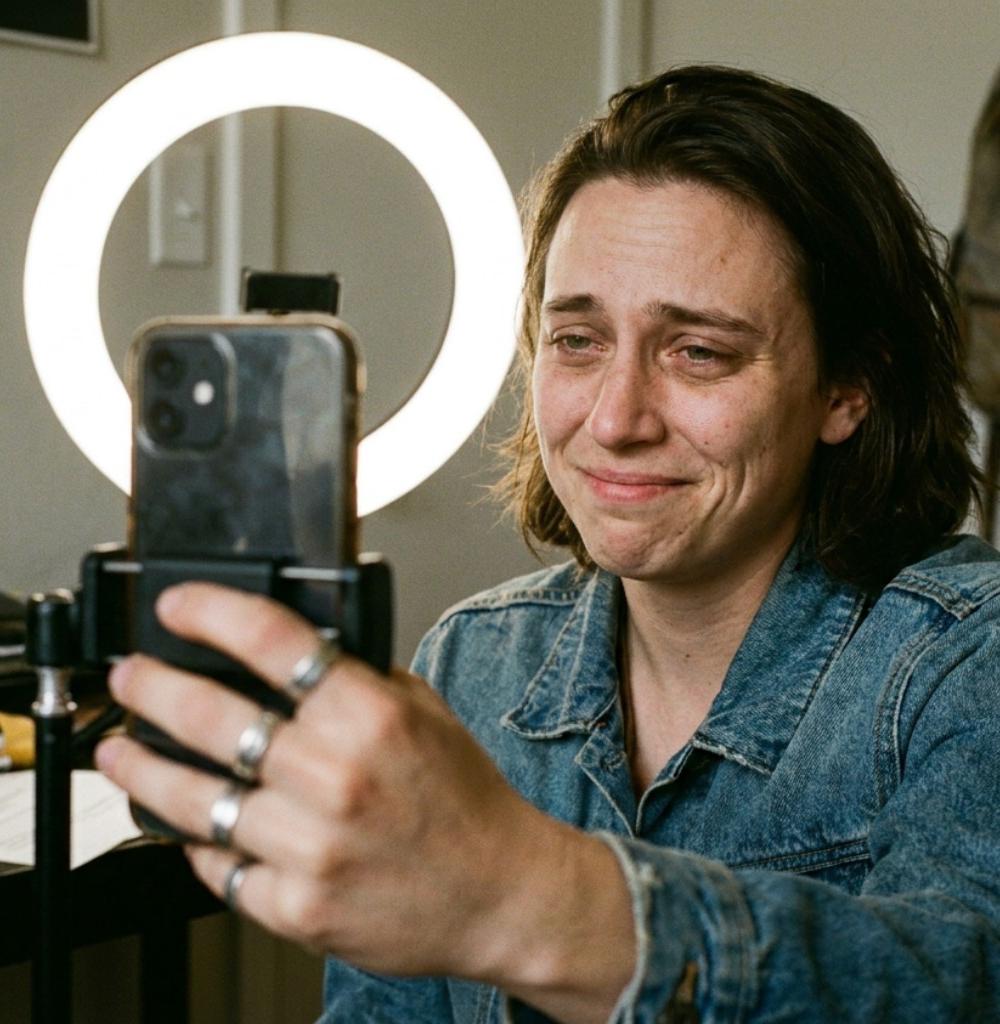
You do not need connections to submit. You do not need money to submit. You do not need a "look" someone approved. You need a profile on a public casting platform, a self-tape setup you probably already half-own if you have a phone and a quiet corner, and the willingness to press submit tonight instead of researching how to get an agent for the fifth year in a row.
The common mistake is treating "auditioning" like a vague future state — something you will do once you have representation, a better headshot, a real reel. Every one of those conditions is a delay you chose. The actor who books does not have perfect conditions. They have a habit. They submit on Monday. They submit on Thursday. They submit before bed on Sunday when the listing just went up and the casting director is still reading.
There are platforms built exactly for this — places where student films, indie features, commercials, and new media projects post breakdowns publicly. Some pay nothing but a credit you can use. Some pay a hundred dollars or a few hundred for a day. Some quietly pay real money for the right fit. Learn which tier each project falls into before you submit, so you are not treating every audition like a vague dream. It is a concrete action. It has a dollar amount attached. It happens before you go to bed tonight.
Pair your submissions with a strong headshot and a real reel, even a short one built from student film footage, and your profile does real work while you sleep. That is not passive. That is infrastructure.
What "Being Seen" Actually Means
Being seen is not something granted to you by a person with an office. Being seen is something you manufacture, one submission at a time, from your own room. The actors who internalize that are the ones who look, from the outside, like overnight successes — but they have a year of tapes and a folder full of "no" emails that nobody ever writes about.
Craft matters through all of this — your reads, your instincts, your ability to be specific and alive on a 90-second tape. Investing in your acting craft while you submit is not optional. The volume of your submissions opens the door. The quality of your work is what makes casting remember the name on the file. Both have to move at the same time.
And when the agent does show up? You will know exactly who you are and what you book. You will not be a blank page. You will be a filing cabinet full of evidence, and that agent will have every reason in the world to pick up the phone for you.
How to Start Tonight (Not Someday)
- Pick one public casting platform — Actors Access, Casting Networks, and Backstage are the most established in the US — and complete your profile fully today. A half-finished profile is invisible.
- Set a weekly submission minimum. Five is a start. Ten builds momentum. The number matters less than the consistency.
- Build even a one-minute reel from footage you already have — a student film clip, a self-tape you are proud of, a short film scene. Something is always better than nothing.
- Treat every self-tape as a performance, not a formality. The tape is the audition. It is the whole audition. Show up for it like the job depends on it, because it does.
- Verify pay rates and union requirements directly at sagaftra.org before signing any contract — rates change, and you are responsible for knowing what you agreed to.
The plan is not "wait." The plan is submit tonight.
FAQ
Keep reading: Open Casting Calls: How to Find and Book Them, Student Film Auditions: How to Find and Book Them, and Agents Come After You Do the Work — Here's Why.
Can I really book work without an agent?
Yes — and a lot of working actors do exactly that. Student films, indie shorts, commercials, and new media projects are regularly cast from open submissions on public platforms. These credits are real, the footage is usable, and the experience is identical to anything an agent would send you out for at this stage of a career.
What platforms should I use if I have no agent?
Actors Access, Casting Networks, and Backstage are the three most established options in the US market and all allow non-union actors to create profiles and submit directly. Explore each, read the current membership costs on their sites, and start with the one that has the most listings in your region or type.
Will submitting on my own hurt my chances of getting an agent later?
The opposite is true. Credits and footage are exactly what agents evaluate when you query them. An actor with a reel built from self-submitted indie work is a far easier sign than an actor with a blank profile asking to be taken on faith. Your submissions are not competition with an agent — they are the pitch deck you hand one.
How important is my self-tape quality when submitting independently?
Critical — but "quality" does not mean expensive. Clean audio, steady framing, and good natural or soft-box light will beat a dark, echo-heavy tape shot on a newer phone. Casting is reading your performance, not your budget. A solid self-tape setup costing under fifty dollars will not hold you back. A bad one will.
When should I start querying agents?
When you have something to show. Concretely: a reel with at least one strong scene, a few credits (even student or short film credits), and evidence that you know how to work on set. There is no magic number, but an agent who can watch your reel and immediately see you booking is far more likely to respond than one staring at a blank submissions page.
If you are ready to build the tape volume that makes an agent inevitable, HowToSelfTape is the resource built for exactly this stage — free to start, designed for actors who are done waiting and ready to be undeniable in public.