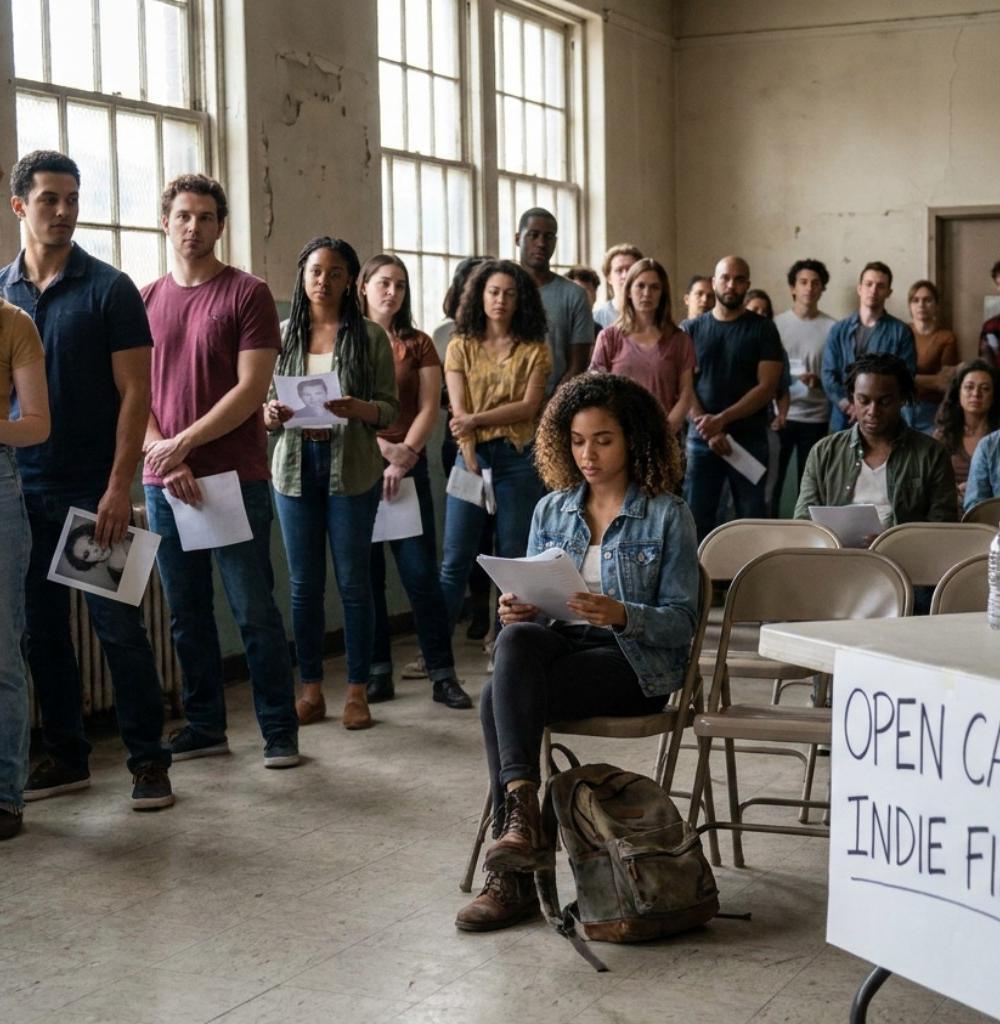
I once stood in line for four hours at an open casting call in a strip-mall dance studio, got ninety seconds in the room, and booked nothing. Six months later I stood in a different line, got the same ninety seconds, and it turned into a national commercial that paid my rent for a year. Open casting calls are like that: a genuine door that anyone can walk through, and also a lottery you have to keep buying tickets for. The difference between the actors who eventually win and the ones who quit going is almost never talent. It's whether they showed up prepared, on type, and easy to work with, over and over.
An open casting call is an audition where a production accepts submissions or in-person tryouts from the general public instead of only agent-repped talent. Productions run them to widen the pool, find fresh faces, or fill background and day-player roles fast. To use them well: verify the call is legitimate, read the breakdown like a professional, prep tight materials, and treat every thirty-second read as a rep, not a referendum on your career.
What an Open Casting Call Actually Is
Sometimes called a cattle call, an open casting call is exactly what it sounds like, a session where casting accepts anyone who fits the notice rather than requiring an agent submission. They range from studio-run talent searches and national commercial callbacks all the way down to a local indie feature casting three speaking roles out of a coffee shop. Productions use them when they can't find a specific type through agencies alone, or when they simply want to see who's out there. Treating an open call with the same seriousness as an agent submission, rather than a casual afterthought, is what separates the actors who get called back from the ones who don't.
Where to Find Legit Open Casting Calls
The single biggest risk with open calls is scams, so stick to sources where real productions actually post. Actors Access and Casting Networks are the industry-standard platforms, and a large share of their listed roles accept self-submission. Backstage runs a long-standing, vetted notice board across most markets. Official studio and network sites announce the bigger talent searches directly. Local film office listings and city-specific Facebook casting groups often carry regional and indie productions first, before they hit anywhere else. Verified social accounts of real casting directors are worth following too, just confirm the account is genuine before sending anything. A legitimate open casting call never asks you to pay to be seen, buy a "training package," or send inappropriate photos. Any of those is an immediate exit.
Read the Breakdown Like You Mean It
Before submitting or showing up, read the entire casting notice, not just the character name. Check the age range, type, union status, shoot dates, location, and rate against your real availability. Submit only when you genuinely fit; casting directors remember actors who submit for everything indiscriminately, and they don't remember them fondly. Matching the breakdown precisely, down to the wardrobe suggestions if they're listed, is most of the battle before you ever open your mouth in the room.
Get Your Materials Ready Before You Need Them
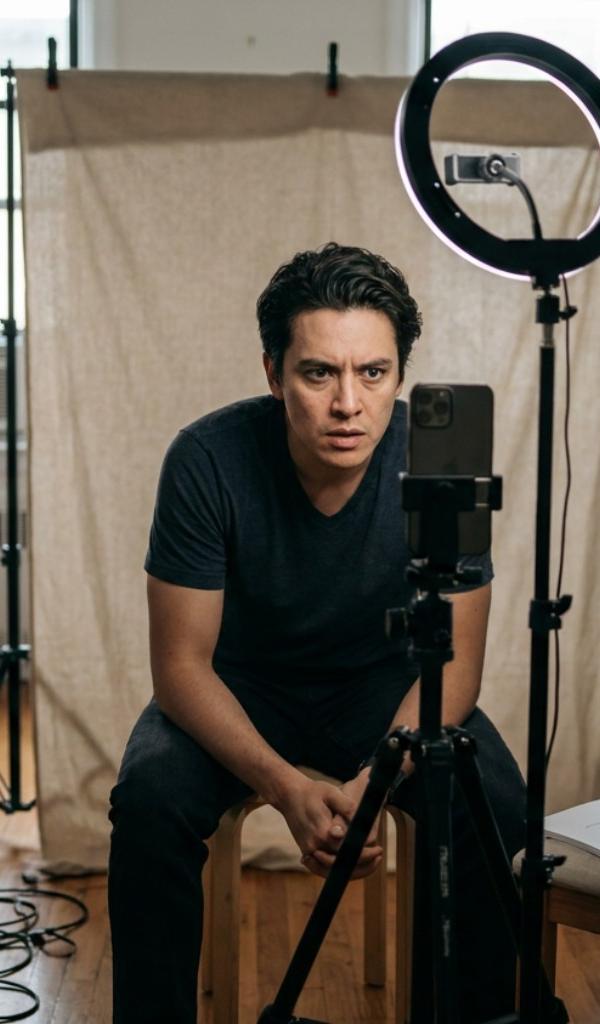
Whether the call is in-person or a self-tape, have your materials genuinely ready, not scrambled together the morning of. Keep current headshots that actually look like you today, an honest resume with real training and credits, and a clean self-tape setup you can deploy on short notice. If sides are provided, learn them cold so your eyes come off the page. Building a fast, reliable process ahead of time, the kind covered in our self-tape checklist, means you're never the actor still setting up lights while everyone else is already taping.
Standing Out When You Get Ninety Seconds
Open calls can mean hundreds of actors and thirty seconds of face time each. Arrive early and bring printed headshots and resumes stapled back to back. Dress to suggest the role without wearing a literal costume. Be warm with everyone in the room, including whoever is checking you in, because casting talks to their assistants more than you'd think. Make one specific, grounded choice in the read instead of a big generic one, since truth reads better than volume on camera or in a room. Say thank you and leave. Don't linger, don't over-explain the choice you made, don't ask if you got it.
The Mistake That Wastes the Most Open Calls
The most common mistake actors make at open calls isn't nerves, it's showing up for a role they don't actually fit because the call was easy to find. Submitting or standing in line for a type, age range, or union status you clearly don't match wastes your day and burns a little credibility with casting each time. The second mistake is treating a bad ninety seconds as proof the whole system doesn't work. It's a numbers game by design. One good read out of twenty forgettable ones is a completely normal ratio, not a sign to quit.
The actors who book off open casting calls aren't the luckiest people in the room. They're the ones who show up prepared and easy to work with, again and again, until the odds turn.
Nailing the Self-Tape Version of the Open Call
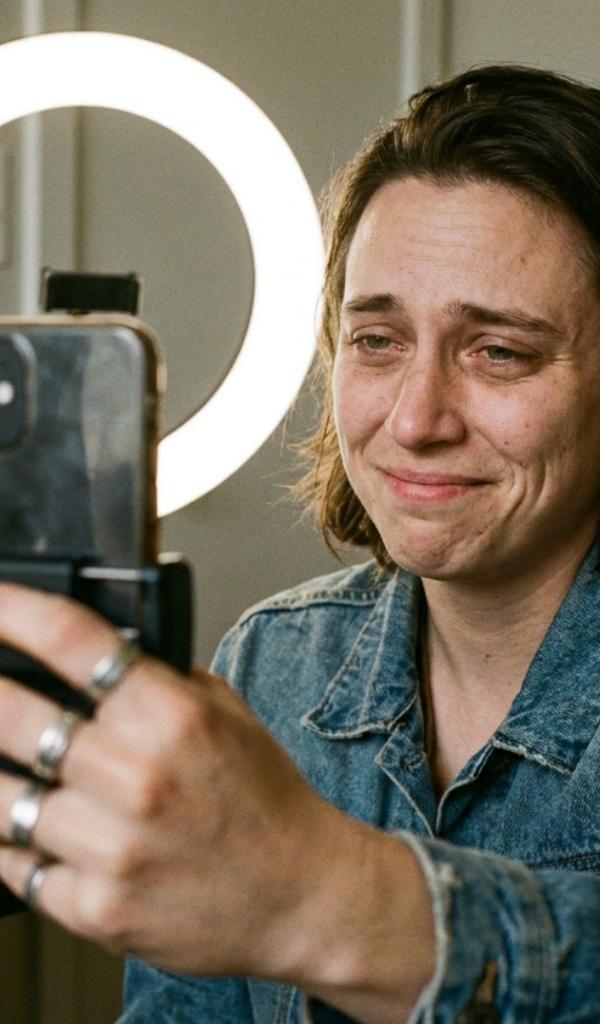
Most open casting calls now include a virtual option, and plenty are self-tape only. Shoot in landscape unless told otherwise, light your face evenly, use a neutral backdrop, and get clean audio, a cheap lav mic solves most of this. Slate exactly as instructed with your name, height, and location. Use a reader off-camera so your eyeline stays natural instead of drifting toward a lens. Label the file exactly as the notice requests and submit ahead of the deadline, not at 11:58pm when upload speeds are working against you.
Frequently Asked Questions
Are open casting calls worth attending if I don't have credits yet?
Yes. Open calls are one of the few places where a thin resume doesn't automatically disqualify you, since casting is often looking at type and read quality over credit list. They're also valuable practice for actors early in their career.
How do I tell a real open casting call from a scam?
Real productions never charge a fee to audition, never require a paid class to be considered, and never ask for inappropriate photos. Verify the posting is on a reputable platform or an official studio channel before you submit anything.
What should I wear to an open casting call?
Dress to suggest the character without wearing a literal costume. A slight nod to the role's world, like business-casual for a corporate character or athletic wear for a sports-adjacent role, reads clearly without looking like Halloween.
How many open casting calls does it typically take to book something?
There's no fixed number, and it varies enormously by market and type. Treat each one as practice plus a lottery ticket rather than counting down to a guaranteed booking, and keep submitting consistently.
Should I follow up with casting after an open call?
A brief, professional follow-up is fine if the notice invites it or you have a genuine reason, like new credits since you auditioned. Don't over-message or ask directly whether you booked the role.
Keep Showing Up
Open casting calls reward preparation more than connections, and that's genuinely good news for actors without representation yet. Keep your materials sharp, verify every listing before you send anything, and audition often rather than waiting for the perfect one. Pairing this with a solid daily habit for finding acting auditions beyond just open calls, and a tight process from our self-tape audition guide, builds the full system. When you land a self-tape open call, GotAuditions is free to start and gives you an AI scene partner so you can rehearse and submit fast at gotauditions.com.