My first audition that actually mattered wasn't for a pilot or a national commercial. It was for a USC senior thesis short shot in a converted garage in Van Nuys, for a stipend of exactly zero dollars and a promise of raw footage by that Friday. I almost skipped it because it felt too small to matter. It ended up giving me my first real scene on camera, a director I still work with a decade later, and the two minutes of footage that got my first agent to watch the rest of my reel. That is the case for student film auditions, and why so many working actors quietly credit them as where the career actually started.
Student film auditions are casting calls from film-school and university productions, usually unpaid or low-paid, that trade footage, credit, and experience for your time. They are worth pursuing because they are lower-competition than professional bookings, they generate usable reel material fast, and today's film student is often tomorrow's working director who remembers who showed up prepared.
Why Student Films Punch Above Their Weight
No check, no problem, at least early on. When you have thin credits, footage and relationships are worth more than a small paycheck. A well-shot student short can hand you a scene for your reel, a real set credit for your resume, and a director who now has your name in their phone. Film schools like AFI, NYU, USC, Chapman, and countless smaller state programs turn out working directors, DPs, and editors every single year, and plenty of them keep hiring the actors who were good to them on their first project.
There's also a quieter benefit nobody talks about: student sets are where you learn the actual rhythm of film production without the pressure of a paid job on the line. You learn what "checking the gate," "moving on," and "we're losing light" mean in real time, with a crew that's just as new to it as you are. That fluency shows up later, on paid sets, as calm instead of panic when the schedule falls apart.
Where to Actually Find Student Film Auditions
Student productions cast in a handful of predictable places, so check them on a rotation rather than waiting for something to land in your inbox.
- Casting platforms. Actors Access, Casting Networks, and Backstage all list student and non-union short-film breakdowns, usually tagged as thesis, senior, or grad film projects.
- University film department pages and mailing lists. Most film programs post casting notices publicly or keep an email list you can request to join directly.
- Facebook and Reddit casting groups, where student filmmakers often post first, especially for roles they need filled fast.
- Film-school screenings and mixers, where you meet directors already thinking about their next project.
If you're also working the wider casting circuit, our guide on how to find acting auditions and our breakdown of open casting calls cover the same platforms for paid, professional work. Set alerts on each platform for your type and location, and check daily rather than weekly, since student productions often need to fill a role within days of posting.
Vet the Project Before You Say Yes
Not every student film deserves a day of your time. Read the breakdown closely: school, role, shoot dates, location, and what you actually receive in return. Prioritize productions that explicitly promise edited footage, since that is your real payment. A short, polite message asking about the shooting schedule and when you'll get your scenes tells you almost everything about how organized the set will be. If a "producer" cannot answer basic logistics, that is your answer.
Pay attention to red flags, too: a script with no clear plan for permits or locations, a "director" who can't say who else is on the crew, or a role description that keeps changing. Legitimate student productions, even chaotic ones, can usually answer who's shooting, where, and when without hesitation.
Prepare Like It's a Paid Booking
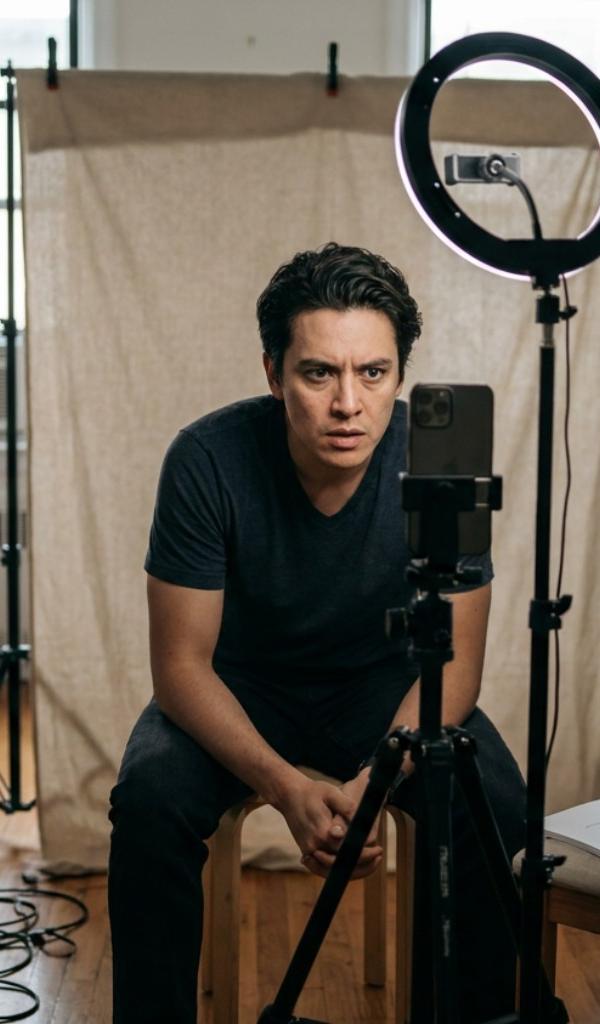
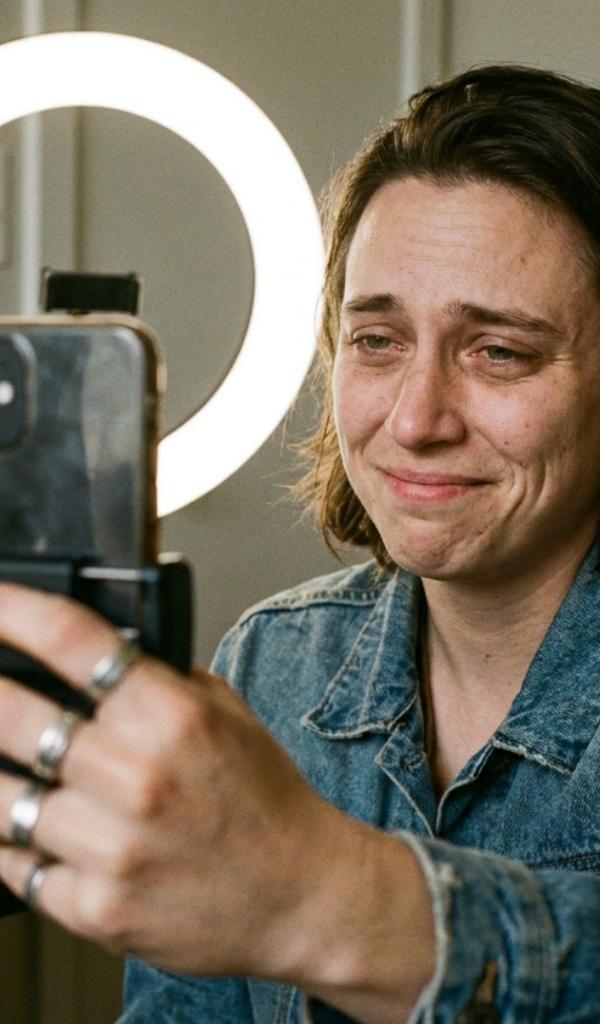
Treat a student film audition with the same seriousness as a network callback. Bring current headshots and an honest resume, even a short one. Learn your sides well enough to lift your eyes off the page and make a real choice, not just recite words. If it's a self-tape, which most are now, clean lighting, a neutral background, and clear audio matter more than any prop or costume. Our self-tape audition guide and quick-reference self-tape checklist cover the setup in detail, and following them puts you ahead of most actors submitting to student projects, who frankly don't bother.
The Common Mistake: Treating It Like It Doesn't Count
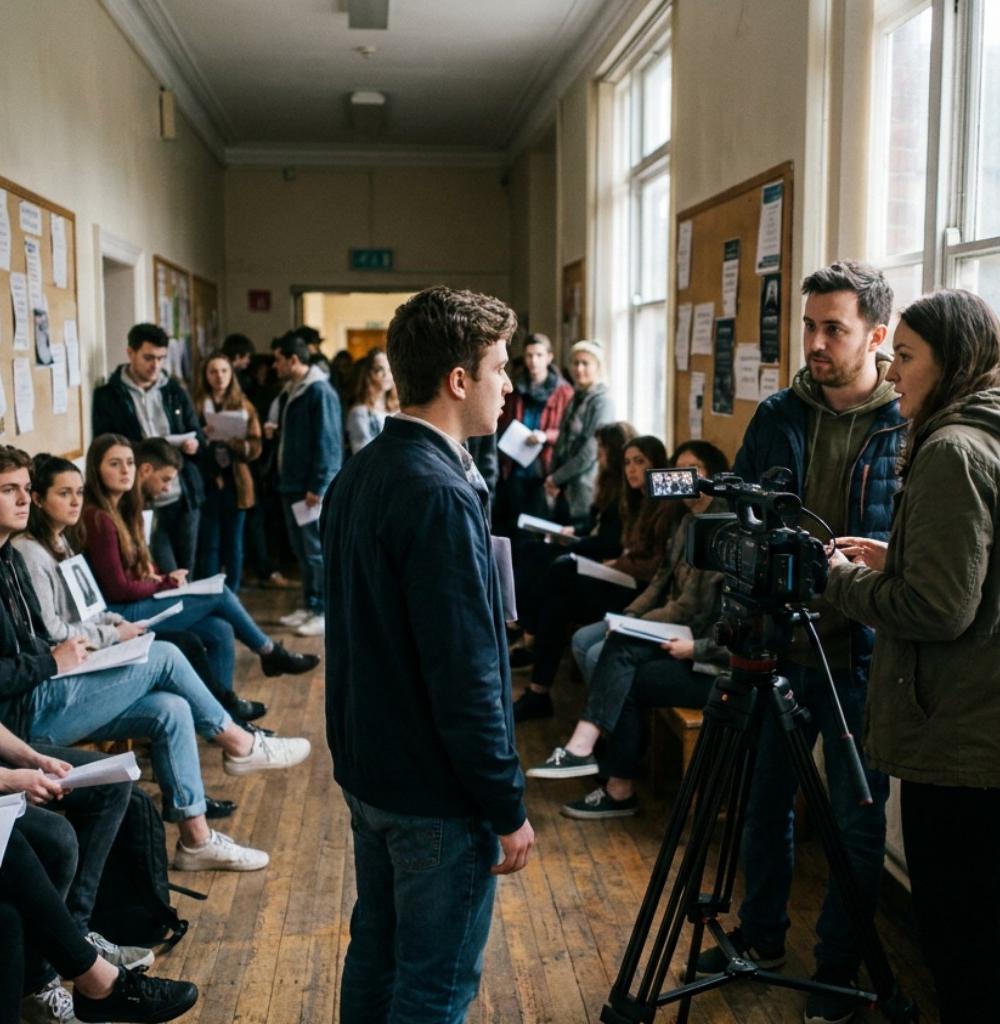
The single biggest mistake actors make with student films is showing up half-prepared because "it's just a student thing." Sloppy slates, unlearned lines, canceling last minute, showing up late to an unpaid set because it feels low-stakes — all of it gets remembered. These directors talk to each other, and some of them will be casting real budgets in five years. The actor who shows up on time, off-book, and easy to direct on a zero-dollar thesis film is the one who gets called back for the next thing, and the thing after that.
The film students shooting today are the indie and studio directors of tomorrow, and they remember who made their first set easier.
Be the Actor They Recommend on Set
Booking the role is only half the job. On a student set, arrive early, know your lines cold, stay flexible when the schedule slips, because it will, and be patient with a crew that is still learning how film sets actually run. How you behave when nothing is on the line is exactly what a young director remembers when they finally do have a budget. In a small industry, a reputation for being talented and easy on a low-budget set travels faster than you'd think. Bring your own basic continuity pieces too, a couple of wardrobe options in solid colors, since student productions rarely have a costume department to fall back on.
Turn One Short Into a Career Foundation
After the shoot, follow up to get your footage, and stay connected with the filmmakers on social media. Cut your best moments into your reel and add the credit to your resume. Then do it again. A handful of solid student films can give a new actor a real reel, an active resume, and a network of collaborators, which is exactly the foundation you need before you start chasing agent meetings and bigger auditions.
Do student films actually help my acting career?
Yes, especially early on. They build reel footage, real on-set experience, and relationships with directors who keep working. They rarely pay much, but the credits and footage often matter more than a small check when you have few professional credits yet.
Should I do a student film with no pay at all?
It depends on what you get in return. Prioritize projects offering edited footage and a real credit, and be wary of vague promises with no shoot details, no clear schedule, or no plan to actually deliver your scenes afterward.
How do I find student film castings near me?
Check Actors Access, Casting Networks, and Backstage for student and thesis-film tags, and contact local university film departments directly to ask about their casting lists. Facebook and Reddit casting groups also post student roles regularly.
Do I need an agent to audition for student films?
No. Nearly all student film casting is self-submission, which makes it one of the most accessible ways to start building credits before you're pursuing representation.
How many student films should I do before moving on to paid work?
There's no fixed number, but most actors keep doing them until their reel has a couple of strong, well-shot scenes and their resume looks active. At that point, start balancing student projects with paid non-union and union submissions rather than choosing one over the other.
Student film auditions reward actors who show up prepared, professional, and generous with their time. Treat every short like it matters, keep your self-tape setup sharp with tools like GotAuditions, which is free to start, and let the footage and relationships compound from there.