Before a casting director watches a single frame of your work, they see one thing: your acting headshot. And they don't study it — they glance at it, for about half a second, alongside a hundred others, and make a snap call: open this one, or scroll past. Most actors obsess over the photo's quality and completely miss what that half-second is actually judging.
Here's the uncomfortable truth: a technically beautiful headshot can still get you skipped, and a simple, honest one can get you opened. The camera and lighting matter — but what matters more is whether the photo tells casting, instantly, "this is a real, castable person, and I know exactly what to do with them."
The short answer: A good acting headshot looks unmistakably like you on a normal day, leads with your eyes, and signals a clear type. It's not about looking glamorous or ten years younger — it's about being immediately recognizable and castable. If you walk into the room and don't match your photo, the headshot has failed, no matter how gorgeous it is.
What casting actually reads in that half-second
Three things, in this order:
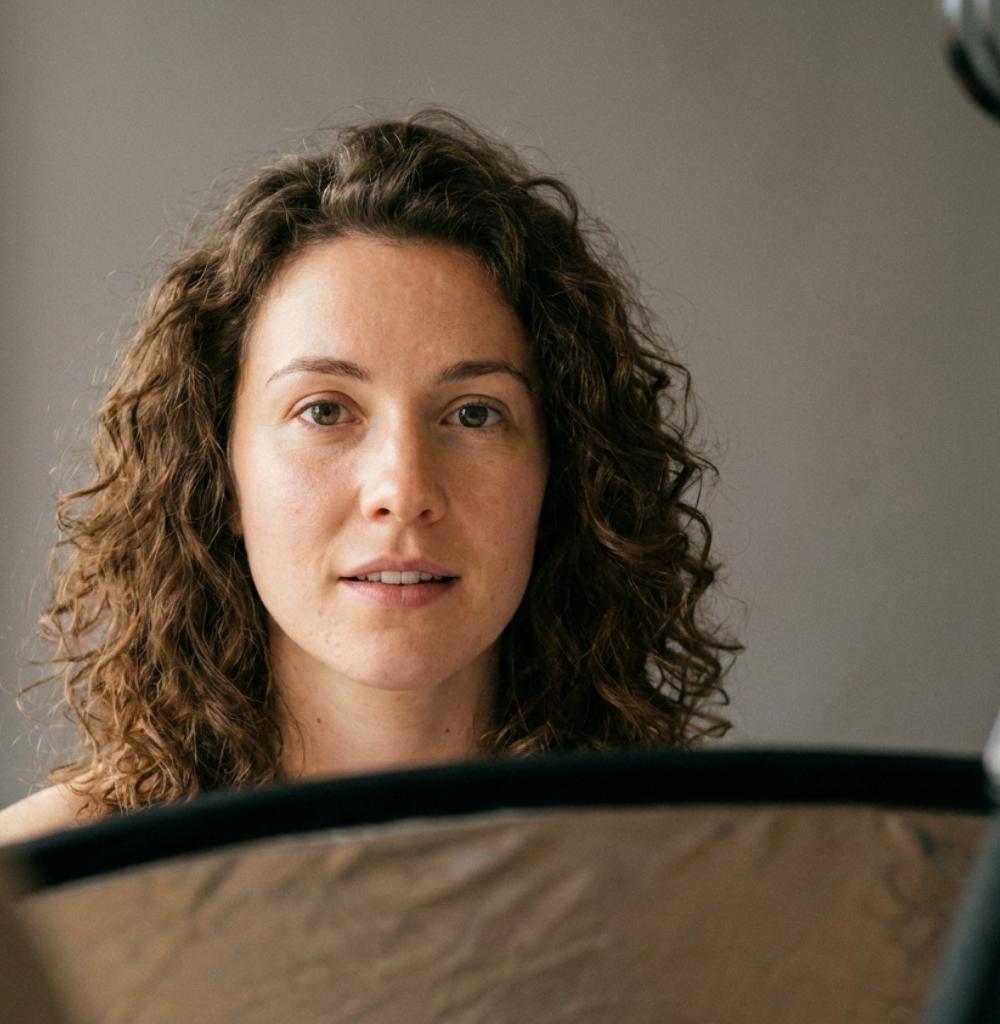
- The eyes. A headshot lives or dies on the eyes. If there's a real person behind them — a thought, a spark, a life — casting stops. Dead eyes, no matter how sharp the image, get scrolled past.
- The type. In half a second, casting is slotting you: the friend, the lead, the tough guy, the girl next door. A good headshot makes your type obvious. A confusing one makes them work, and they won't.
- The truth. Does this look like a real, current human they could actually call in tomorrow? Over-retouched, over-lit, or ten-years-old photos read as a lie — and casting has been burned by that lie before.
What makes an acting headshot "good"
Forget glamour. A strong acting headshot has:
- Accuracy. You, as you look right now — same hair, same weight, same energy. The single most important quality.
- Living eyes. Engaged, thinking, connected to the lens. This is the whole game.
- A clean, simple frame. Nothing competing with your face — no busy background, no distracting wardrobe.
- Natural, flattering light. Soft light that reveals your face honestly, not dramatic shadows that hide it.
- The right expression for the type. Warm and open for commercial; grounded and specific for theatrical/dramatic.
A headshot's job isn't to be the best photo of you ever taken. It's to look exactly like the person who walks through the door — with eyes worth casting.
Commercial vs. theatrical: you probably need both
Most actors need two looks. The commercial headshot is bright, approachable, and friendly — think smiling, warm, "the relatable neighbor." The theatrical (dramatic) headshot is more grounded and serious, hinting at depth and story — the roles with weight. They're selling you for different jobs, so don't try to make one photo do both. A single "does everything" headshot usually does nothing well.
Do you need a $500 photographer?
A pro shoot helps, but the price tag isn't the point — the result is. A skilled headshot photographer knows how to light your face, pull a living expression out of you, and frame it right, which is genuinely hard to fake. That said, a clean, well-lit photo that nails the essentials will always beat an expensive shoot that made you look like a stranger. Spend where it counts, but never pay for a beautiful photo that doesn't look like you.
The mistakes that get headshots skipped
- It doesn't look like you. Old photo, heavy retouching, a different hairstyle. The fastest way to burn trust.
- Dead eyes. A perfect image with nobody home. Casting needs to see a person.
- No clear type. Trying to look like everything reads as nothing.
- Busy background or loud wardrobe. Anything that pulls the eye off your face is working against you.
- Glamour over honesty. This isn't a modeling portfolio. Castable beats gorgeous.
- Never updating it. If you've changed, your headshot has to change too.
Frequently Asked Questions
How often should I update my acting headshots?
Any time your look meaningfully changes — new hair, a notable weight change, aging — and generally every couple of years even without big changes. The rule: if you don't currently look like your headshot, it's out of date.
Do I need different headshots for commercial and theatrical?
Usually, yes. Commercial looks are bright and friendly; theatrical looks are grounded and dramatic. They pitch you for different kinds of roles, so most working actors keep both.