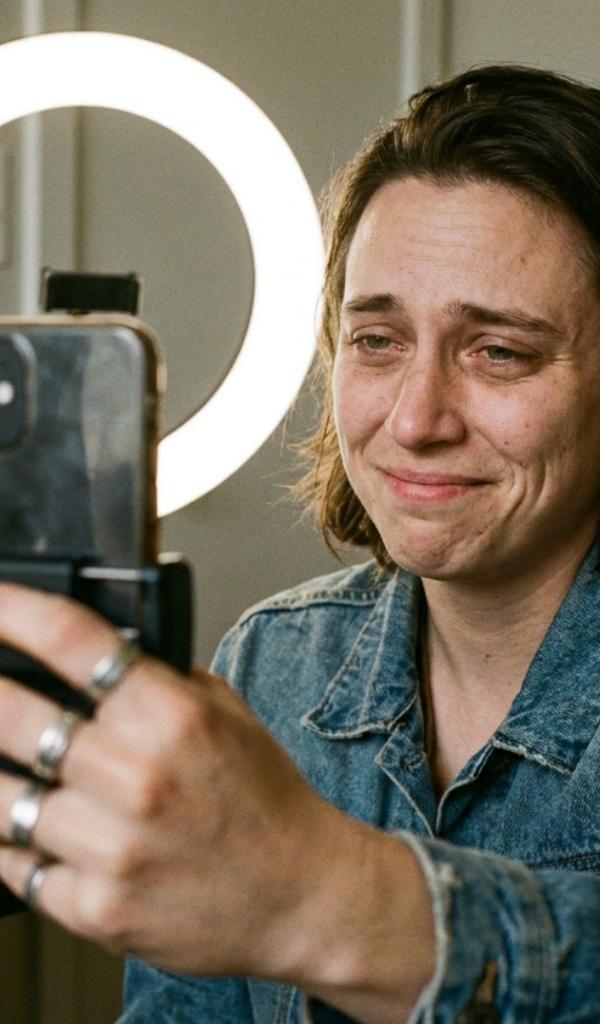

I once left a Tuesday dinner shift mid-rush because my agent called about a callback the next morning. My manager was furious. I made $40 less that night and booked the job anyway, and it paid more than three months of shifts combined. That trade-off is the whole story of day jobs for actors: the right one buys you the freedom to say yes when the callback comes, and the wrong one quietly costs you the booking before you ever hear about it.
The best day jobs for actors share four traits: a schedule you can bend or swap on short notice, decent pay per hour so you need fewer shifts, low enough emotional drain that you still have something left for the work, and enough control over your time to leave for a self-tape or a table read without begging for permission. No single job checks every box. The goal is finding one that checks at least three.
What Makes a Day Job Actually Work for an Actor
Before you chase a specific gig, run it through those four filters. A high-paying job with a rigid nine-to-five and a boss who docks you for leaving early will bleed you dry over a year of missed auditions, even if the paycheck looks good on paper. A lower-paying job that lets you trade shifts with a text message will make you more money in the long run, because it lets you actually book work. I learned this the hard way after a year in a corporate office job that paid well and let me audition exactly never, because "personal days" were tracked to the hour.
Restaurant and Bar Shifts Still Work, With Caveats
The classic actor day job earns its reputation honestly. Serving, bartending, and catering pay same-day cash tips, run on shift schedules other actors and performers are used to swapping, and rarely blink when you need three days off for a shoot. Fine-dining service and bartending in busy markets can cover a month's rent in eight or ten shifts, leaving your weekdays open for tracking down auditions and self-tapes. The tradeoff is real: late nights wreck your sleep before an early call time, and standing eight-hour shifts leave your voice and body tired. Protect both like they're your instrument, because they are.
Gig Work You Can Turn Off in Thirty Seconds
Rideshare driving, food delivery, task-based apps, and dog walking give you something restaurant work can't: the ability to log off mid-shift the second your phone buzzes with a self-tape deadline. Pay is inconsistent and you're covering your own gas and insurance, but nobody needs to approve your time off, because there's no shift to cover. A lot of working actors use gig apps as a buffer between bigger paydays rather than a full-time income, turning the app on for a few hours after a slow audition week and off entirely during a shoot.
Remote and Freelance Work Is the Modern Upgrade
If you've got a marketable skill, remote freelance work is arguably the best day job an actor can have right now. Freelance writing, editing, graphic design, virtual assistant work, online tutoring, and voiceover or narration gigs all let you work from wherever you are, on hours you set. You can tape a self-tape from your kitchen at 2pm on a Wednesday and nobody at your "job" even notices. Voiceover work is worth a special mention, since it builds a skill directly adjacent to your acting career while paying by the project instead of the hour.
Industry-Adjacent Jobs Pay Twice
Background work, reading for casting sessions, teaching acting or improv classes, assisting a headshot photographer, or standing in on set all put money in your pocket while putting you in rooms with the people who cast projects. These jobs teach you how a set actually runs, which makes you a calmer, more employable actor once you're the one in front of the camera. They also lead to relationships. I got a real audition off a background gig because the second AD remembered me from a day of standing in the rain for eleven hours and being easy to work with.
The Mistake That Sinks Most Day Jobs
The most common mistake isn't picking the wrong job category, it's not being honest with the employer from day one. Actors take a job, hide the acting career, and then either lie their way into time off or burn the relationship the first time they no-call for an audition. Tell a manager upfront that you act and will occasionally need flexibility, before you're hired, not after. Employers who are fine with it will say so, and the ones who aren't will save you months of friction. The second mistake is treating the day job as permanent instead of as a tool, letting it expand to fill all your time and energy until the acting quietly stops.
The right day job doesn't compete with your acting career. It funds it.
How to Keep the Job While You're Booking Work
Landing a flexible job is half the battle; keeping it while you audition constantly is the other half. Build a real swap network with coworkers so you're never the person leaving the team stranded. Give maximum notice for anything you can predict, even a same-day self-tape deadline you saw coming. Show up reliable and pleasant on every shift you do work, because that goodwill is what gets you the last-minute yes when a Netflix audition lands in your inbox with a 24-hour turnaround. Set a savings cushion, even a small one, so a slow month doesn't force you into a job that eats your schedule out of financial panic.
Frequently Asked Questions
What is the best day job for actors who audition a lot?
Remote freelance work and gig-app jobs tend to work best for actors auditioning frequently, since you control your own hours completely. Restaurant work is a close second in markets with flexible scheduling, but only if management is genuinely on board with last-minute changes.
Should I tell my day job employer that I'm an actor?
Yes, ideally before you're hired. Being upfront lets you filter for employers who are actually fine with occasional flexibility, instead of discovering the hard way that they aren't after you've already taken the job and built a schedule around it.
How much should I expect to earn from a flexible day job?
It varies widely by city and job type, but the target isn't the highest hourly rate, it's the highest income per hour that still leaves your daytime free. A serving shift with $30 an hour in tips beats a $22 an hour office job that owns your whole week.
Can industry-adjacent jobs actually lead to bookings?
They can, though not directly or often. Background work, being a reader, or assisting on set puts you around casting directors, ADs, and photographers who remember reliable, easy people. It's a long game, not a shortcut, but those relationships add up over years.
When should I quit my day job for acting full time?
When your acting income covers your baseline expenses for several consecutive months and you have savings to absorb a slow stretch, not the first time you book a good job. Most working actors keep some flexible income on the side even after they're booking steadily.
Make the Day Job Serve the Career
The healthiest way to think about day jobs for actors is that the job works for you, not the other way around. Reassess it every few months. Is it still giving you time, money, and energy to put together strong self-tapes and show up prepared, or has it started quietly consuming the hours you need for your actual career? If you're also weighing whether the acting income itself can support you yet, our breakdown of what actors realistically make is worth reading alongside this one, and our guide to survival jobs for actors goes deeper on the full landscape of options. Whatever you choose, keep your submissions moving. GotAuditions is free to start and gives you an AI scene partner and self-tape tools so the minute you're off shift, you can actually put yourself on tape at gotauditions.com instead of losing the day to logistics.