Here's the truth nobody selling you a $2,000 acting "bootcamp" wants to say out loud: you can learn how to become an actor with no experience without their permission, their agent, or their zip code. The path changed. The gatekeepers didn't get the memo.
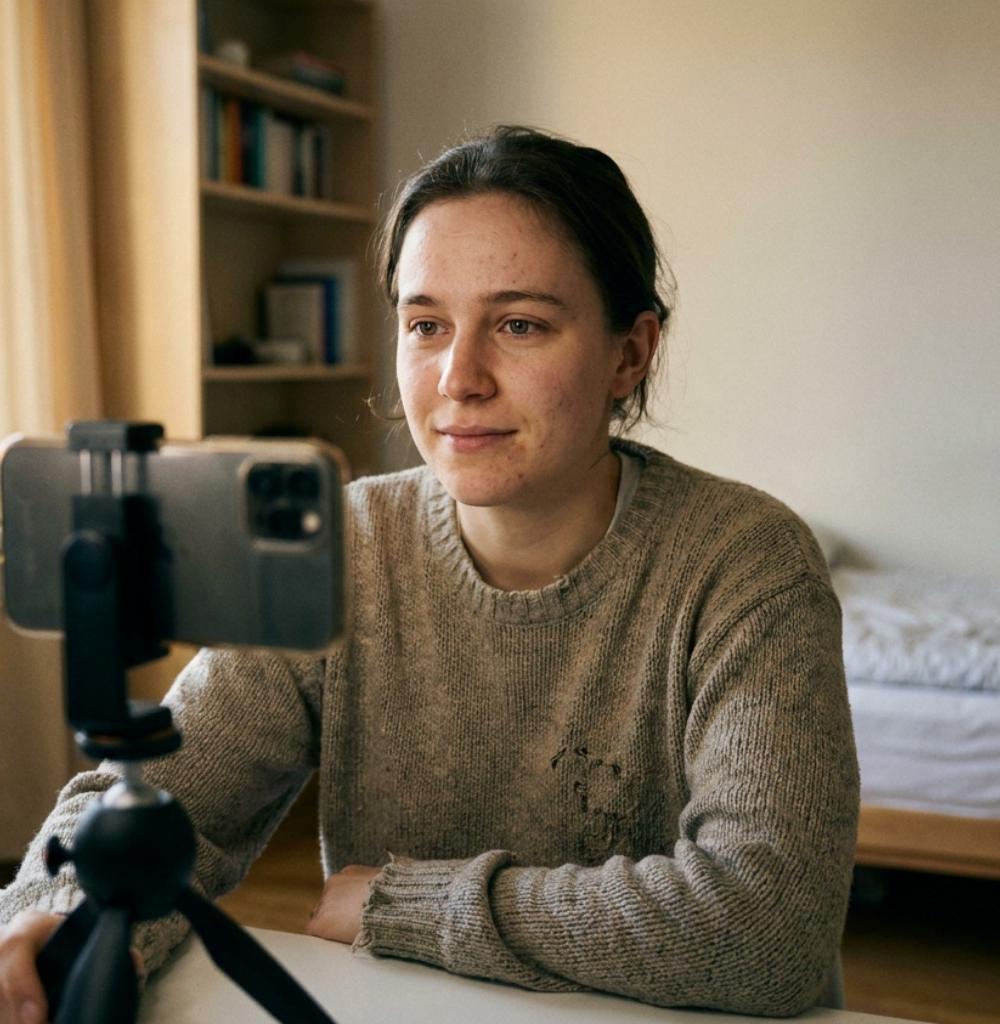
Ten years ago, breaking in meant moving to Los Angeles or New York, waiting tables, and hoping an agent would "discover" you. Today a casting director in Atlanta can book someone off a self-tape shot in a bedroom in Ohio. The door isn't guarded the way it used to be — most beginners just don't know where it is.
The short answer: To become an actor with no experience, build three things in your first 90 days — one honest self-tape setup, one strong monologue or scene you can perform cold, and a professional-enough headshot — then start submitting to real casting calls yourself. Training and an agent come after you have proof you can act, not before.
What "no experience" actually means (and why it matters less than you think)
Casting directors are not reading your resume in the first six seconds of a tape. They're watching whether you're believable. "No experience" is a problem you solve on camera, not on paper. A truthful, well-lit two-minute scene beats a padded resume every single time.
So stop treating experience as a prerequisite. Treat it as something you manufacture — one small credit, one student film, one self-tape at a time.
The first 90 days: the permissionless roadmap
Do these in order. Don't skip to step four because it feels more exciting.
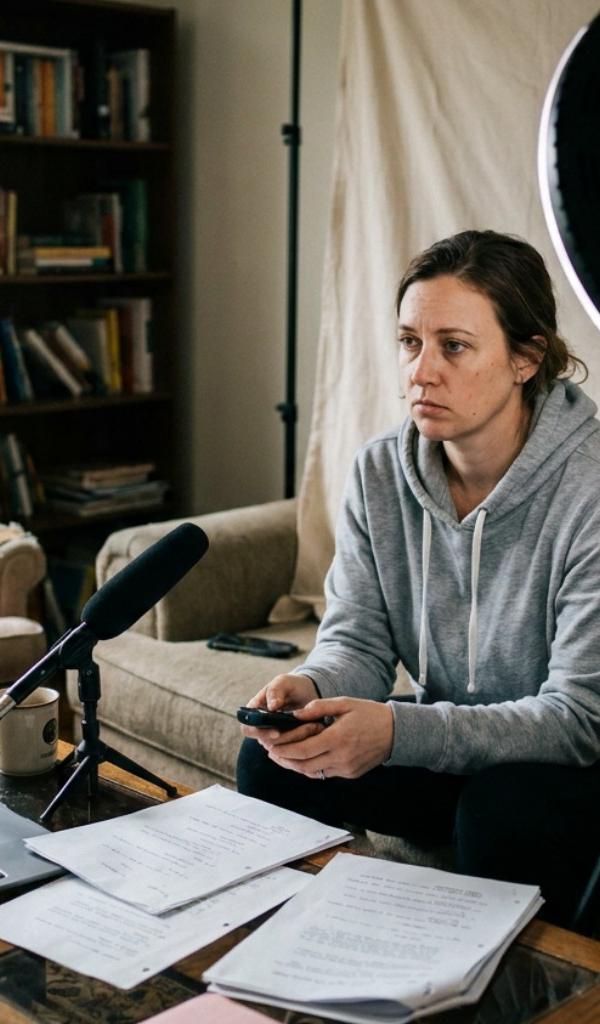
- Week 1–2 — Build a self-tape corner. A phone, a $19 ring light, a clean wall, and quiet. That's it. This is your audition room now, and it's open 24 hours a day.
- Week 2–4 — Get one piece performance-ready. A one-minute monologue or a short scene you know cold. One great piece beats ten half-learned ones.
- Week 4–6 — Get a usable headshot. It doesn't need to cost $500. A clean, well-lit photo that actually looks like you on a Tuesday is the goal.
- Week 6–12 — Submit, submit, submit. Student films, background work, indie shorts, local casting calls. You're collecting reps and small credits, not waiting to be chosen.
By day 90 you're no longer someone with "no experience." You're an actor with tape, a headshot, and a couple of credits — which is exactly what an agent wants to see before they'll take your call.
How to get seen without an agent
This is the part beginners get wrong. They believe the sequence is: get an agent, then get auditions. In reality, plenty of working actors do it the other way — they generate their own auditions first, and the agent shows up once there's momentum.
Submit yourself to casting calls directly. Look for roles matched to your type and market instead of throwing yourself at every listing in New York and L.A. The goal isn't volume — it's the right rooms. A steady stream of small, self-generated auditions will teach you more (and book you more) than a year of waiting for representation.
You don't need permission to start acting. You need a tape, a piece, and the nerve to submit before you feel ready.
The mistakes that quietly cost beginners years
- Spending money before spending reps. A $3,000 course can't book you. Auditions can. Train, but don't hide in classes to avoid submitting.
- Chasing an agent first. An agent amplifies momentum; they don't create it. Bring them proof, not hope.
- Sending a bad self-tape. A dark, echoey, poorly framed tape gets skipped in seconds — no matter how good the acting is. Your setup is part of your talent now. Here's how to make a self-tape that actually books.
- Waiting to feel "ready." You won't. Submit anyway. Readiness is a byproduct of doing it, not a prerequisite.
Frequently Asked Questions
Do I need acting classes to start?
No — not to start. Training makes you better and you should pursue it, but you can begin submitting with a strong prepared piece and a clean self-tape. Don't let "I need more training first" become a way to avoid ever auditioning.
Do I need to live in Los Angeles or New York?
Not anymore. Self-tapes and regional markets — Atlanta, New Orleans, Chicago, and more — mean you can build real credits from where you are. Location matters far less than a submittable tape and consistency.
How do I get an agent with no experience?
Build a small body of work first — tape, a headshot, one or two credits — then approach agents with proof you can act and are already moving. Agents bet on momentum, not potential alone.
How long until I book something?
It varies — but actors who submit consistently and self-tape well tend to land their first small credits within a few months, not years. The bottleneck is almost always submitting less than you think you are.
Start today, not "someday"
Becoming an actor with no experience isn't about waiting for a break — it's about building the small, unglamorous assets that make a break possible, then putting yourself in the room over and over. The actors who make it aren't the most connected. They're the ones who started before they felt ready and kept submitting.
When you're ready to stop waiting for casting to find you, GotAuditions puts real, type-matched casting calls in front of you — free to start — so you can generate your own auditions instead of hoping an agent generates them for you.