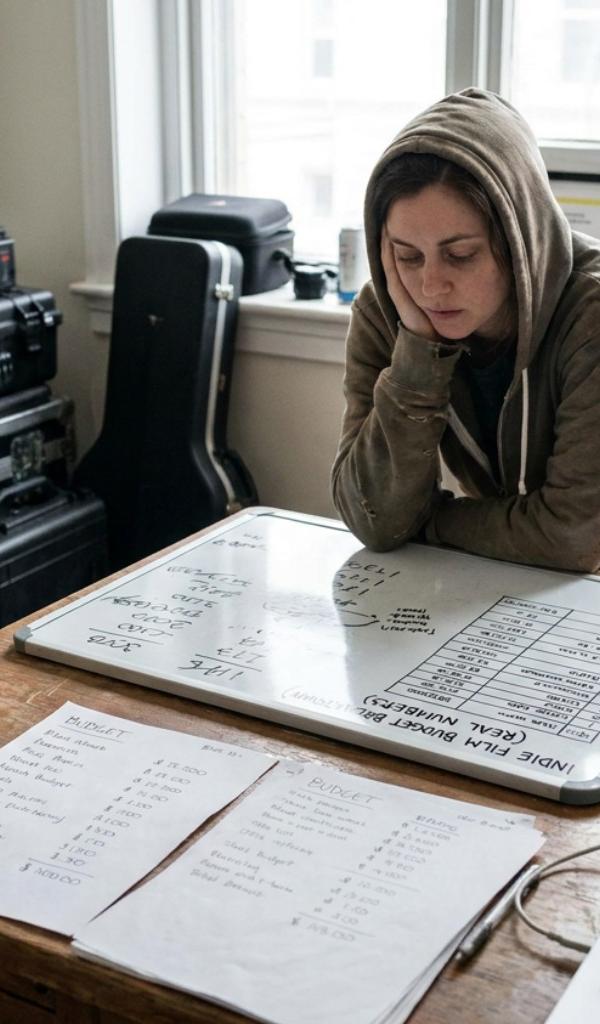
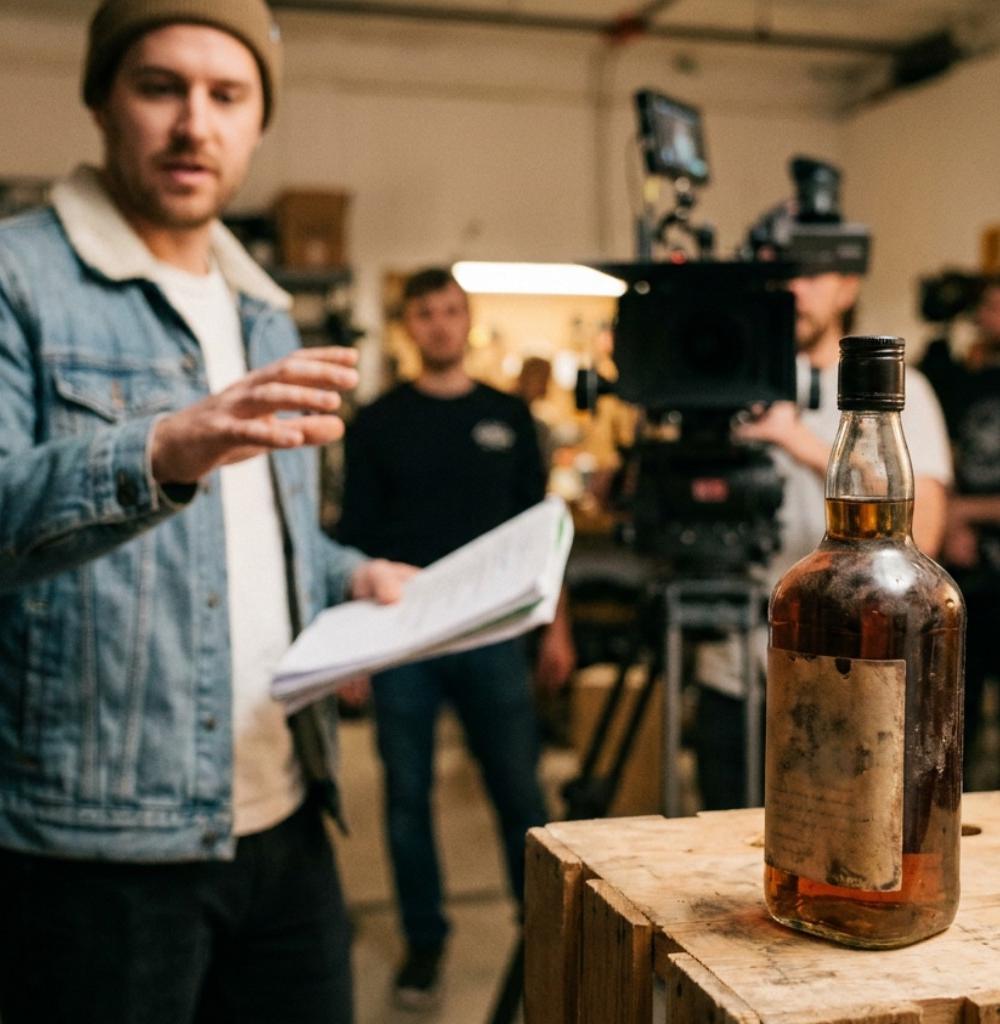
Picture a prop master on a $180,000 indie feature who spends $400 of his own money on a specific brand of whiskey because the director wants it in frame for three scenes. The bottle appears for maybe eleven seconds across the whole film — eleven seconds a spirits brand would have happily paid for, or supplied for free, if anyone had thought to ask. That's the quiet tragedy of product placement in film at the indie level: not that brands say no, but that filmmakers never pick up the phone.
The short answer: Product placement in film is a formal arrangement where a brand pays — in cash, product, or services — to have its logo, item, or name appear in your production. For indie filmmakers, it rarely looks like a six-figure check. It looks like a free car for two shoot days, a catered craft-services table, or $3,000 toward post in exchange for a background shot. Small? Sure. But ten small deals is a real line on your film's budget.
Why Product Placement in Film Works Differently for Indies
Studio product placement is a negotiated contract, often handled by dedicated placement agencies. A carmaker doesn't write you a check the way they write one to a Bond film — and chasing that deal will only waste your time. That's not the game you're in.
Indie placement runs on a different logic. A regional brewery wants to look cool to a young audience. A boutique luggage brand wants festival-circuit exposure. A tech startup wants their laptop on screen in a film that might land on a streaming platform. These are reachable brands with reachable decision-makers — and marketing budgets that are burning a hole in a spreadsheet every quarter. The enemy isn't the brand's reluctance. It's your hesitation to frame yourself as a legitimate media opportunity, because you absolutely are one.
What Brands Actually Get Out of Your Independent Film
Before you pitch anyone, get clear on what you're selling. Brands buy three things from a film placement: audience eyeballs, contextual association (a cool character uses our product), and content rights — stills and clips they can post on their own channels.
That last one is underrated. A craft-gin brand doesn't just want to be in your film; they want the behind-the-scenes photo of their bottle beside your lead on set, and they want to post it. That's influencer-level content for the price of six bottles. Show them that in your pitch and you've already separated yourself from every other filmmaker who emailed this week.
The brands that say yes aren't buying your movie. They're buying the photo of their product next to your lead — and the right to post it.
Think of your film not as a finished product but as a content event — something that generates marketing moments from pre-production through release. A brand that signs on in week two of prep gets six months of taggable moments. That's a real pitch.
How to Find the Right Brands to Approach
Start hyperlocal. Regional brands — breweries, car dealerships, restaurants, clothing retailers — have community pride and smaller gatekeepers. The marketing director of a regional dealership can say yes without a committee meeting. A national automaker cannot.
Then look at what your script already calls for. If your protagonist drives a truck, drinks a specific soda, or works in a kitchen full of equipment, you have a natural in. You're not forcing a brand into your story — you're telling a brand their product already lives in the world of your film. That's a fundamentally stronger conversation.
Practical targets for a $50K–$250K independent feature:
- Regional food and beverage brands (craft beer, coffee, spirits, energy drinks)
- Apparel companies targeting your film's demographic
- Tech accessories — headphones, phone cases, laptops — with lifestyle-driven marketing
- Hospitality brands (hotels or rental hosts willing to trade a location for a credit)
- Automotive brands at the regional dealer level
- Fitness and outdoor gear companies, if your story supports it
The Pitch That Actually Gets a Response
Here's what a brand's marketing manager actually does when your email lands: in about five seconds, they look for one signal — does this person understand their world, or only their own? If your pitch reads like a film-festival grant application, it goes in the trash. If it reads like a media-opportunity memo, it gets forwarded.
Your pitch needs four things, in this order: who you are and why the film is credible (attached talent, festival interest, a distributor letter of intent); the specific placement you're offering and exactly how many seconds or scenes it appears; the audience you'll reach and how you've reached similar audiences before; and what you're asking for in return. Be specific. "We'd love to partner" is not an ask. "We're requesting $2,500 in production support and six cases of product for craft services, in exchange for three scripted placements and full content rights to on-set photography" is an ask.
Send it to the marketing director or brand-partnerships manager by name — not the general info inbox. A few minutes on LinkedIn will usually surface the right person.
The Most Common Mistakes Filmmakers Make
Asking too late is the biggest one. Call a brand in week three of production and their quarter may already be committed. Start outreach six to eight weeks before your shoot at minimum — and remember that many regional brands set marketing budgets annually, which makes January the best month to pitch for a spring shoot.
The second mistake is asking for cash first. Cash is the hardest thing to pull from a marketing budget — it needs executive sign-off and accounting friction. Product, services, and location access get approved at a much lower level. Start there, build the relationship, and cash (or in-kind value that frees up your own cash) follows trust.
Third: no contract. Even a handshake with a local business needs a simple one-page placement agreement specifying what you'll deliver, when, and what content rights the brand holds. A lawyer-reviewed one-page template is enough to start. Without it, you have no leverage and no protection.
What to Deliver — and How to Protect Your Film's Integrity
The moment a filmmaker loses creative control is the moment they said yes to a condition they didn't understand. Before any deal closes, know the answers to three questions: Can the brand pull support if they dislike the final context of the placement? Do they have approval rights over any scene featuring their product? Are there restrictions on how the placement appears in a festival cut versus a streaming cut?
The standard answer to all three is no, no, and no. Brands get content rights to on-set photography. They do not get editorial control over your film — or the work on set that makes it yours. That line belongs in the contract, and it's non-negotiable. A compromised film doesn't get distributed, and then nobody sees that brand anyway.
Product Placement in Film: FAQ
Keep reading: Grants for Filmmakers: Where to Find & Win Them, Film Pitch Deck: What Investors Actually Want to See, and How to Make a Microbudget Film That Actually Gets Seen.
Do I need an entertainment lawyer for a product placement deal?
For anything over about $5,000 in value, yes — the $300–$500 for a one-hour entertainment-attorney consult to review your agreement is worth it. Below that, a clear, specific one-page deal memo you both sign is usually enough. Never proceed on a verbal agreement alone, even with someone you trust.
Can product placement deals affect my festival eligibility?
Generally no. Major festivals don't disqualify films for brand placements — they're in every studio film. What matters is whether the placement feels like advertising instead of storytelling. Keep it organic and you're fine.
How do I disclose product placement to my audience?
In the US, the FTC requires disclosure when there's a "material connection" between the filmmaker and the brand — typically in social content and trailers. In the film itself, an end-credit line reading "Promotional Consideration Provided By…" is standard and covers your disclosure cleanly.
What if a brand wants their logo removed in the final cut?
Rare, but it happens — usually when a brand rebrands or gets acquired during post. Protect yourself with a clause stating that if the brand requests removal after principal photography, they forfeit the value already received. That makes removal a financial decision, not a creative inconvenience.
Is there a marketplace to find brand partners?
A few services exist that connect indie productions with brands, though they come and go — search "product placement marketplace" for current ones. More reliably, build relationships directly using the hyperlocal approach above; a warm, specific pitch beats a listing every time.
The Pitch You Should Send Tomorrow
You have a script. You have a shoot date. You have brands living in your story right now who don't know your film exists yet. That's not a problem — it's a pipeline. Product placement at the indie level isn't about selling out; it's about being resourceful enough to fund your vision without compromising it. The filmmakers who get their movies made aren't always the most talented ones in the room. They're the ones who saw a brand partnership where everyone else saw a prop list.
When you're ready to build the full plan — the pitch, the deal structure, the financing map — FilmmakerGenius is where working indie filmmakers start. Free to begin, and built for people actually trying to get a film made. Your film deserves to exist. Go make it happen.